EN
 TR
 DE

Eating Vegetarian and Vegan in Turkey: A Realistic Guide
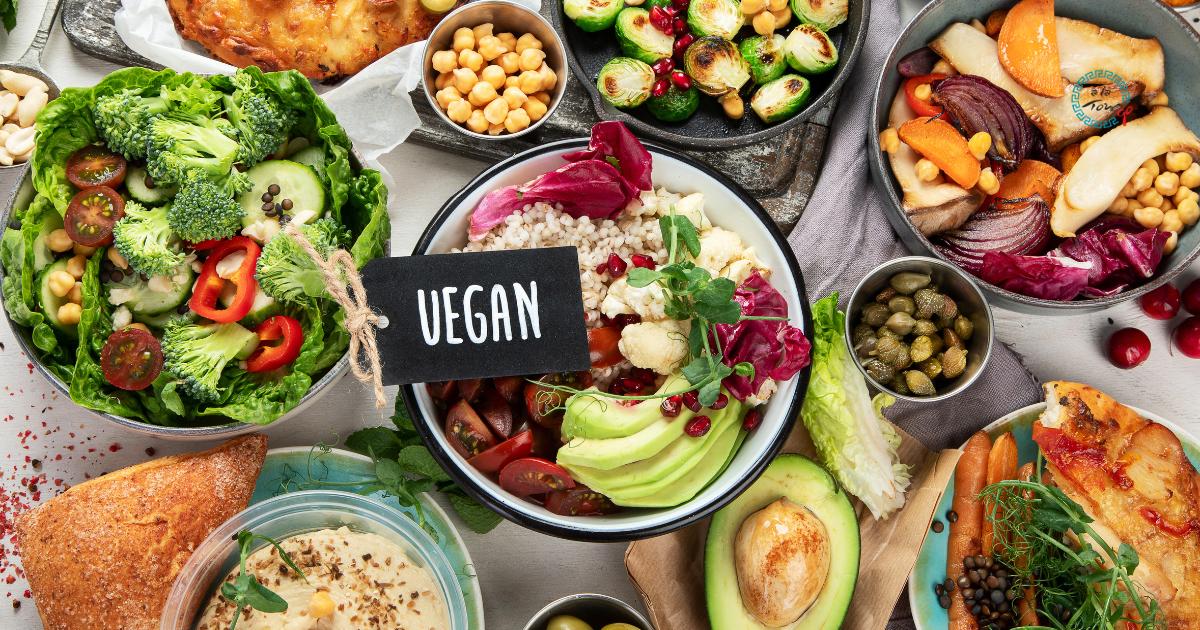
Turkey has a reputation as a meat country, and the kebab houses on every high street do nothing to dispel it. But the reputation is misleading. Turkish cuisine contains an entire category of dishes that are vegan by design and have been for centuries — they are simply not the ones on the tourist menu.
Vegetarians will eat extremely well here with almost no effort. Vegans will eat well too, but need to ask two specific questions. Here is the realistic version.
The category that changes everything: zeytinyağlılar
Literally "the olive-oil ones." These are vegetables slow-cooked in olive oil and served cold or at room temperature, as a course in their own right. No butter, no stock, no dairy — the olive oil is the point.
- İmam bayıldı — aubergine stuffed with onion, tomato and garlic
- Zeytinyağlı taze fasulye — green beans in tomato and olive oil
- Zeytinyağlı enginar — artichoke hearts with broad beans and dill
- Barbunya pilaki — borlotti beans, cold, with lemon
- Zeytinyağlı yaprak sarma — vine leaves stuffed with rice, pine nuts and currants (the etli version has meat, so check the word)
- Zeytinyağlı pırasa — leeks with carrot and rice
Ask for the zeytinyağlı section and most of a menu's hidden vegan options appear at once.
Mezes: where to be careful
A meze table looks vegetarian-friendly and mostly is, but yogurt is everywhere.
Reliably vegan: ezme (chopped tomato, pepper and onion), acılı ezme, şakşuka (fried aubergine and pepper in tomato), fava (broad bean purée), hummus, zeytinyağlı dishes as above, piyaz (white bean salad — ask, as some versions add egg).
Contains yogurt, so vegetarian but not vegan: cacık, haydari, atom, most "beyaz" mezes. If it is white and creamy, assume yogurt.
The two questions that actually matter
Nearly every vegan mistake in Turkey comes down to two invisible ingredients.
1. Butter. Rice, bulgur and many vegetable dishes are finished with butter even when the dish sounds plant-based. Ask: "Tereyağı var mı?" — is there butter in it?
2. Meat stock. Lentil soup, the single most useful dish for a travelling vegetarian, is usually made with water — but not always. Ask: "Et suyu var mı?" — is there meat stock?
One more thing worth knowing: vejetaryen is sometimes understood as "no red meat," with chicken considered fine. Saying "Et, tavuk, balık yemiyorum" — I don't eat meat, chicken or fish — removes the ambiguity in one sentence.
Breakfast, street food and the road
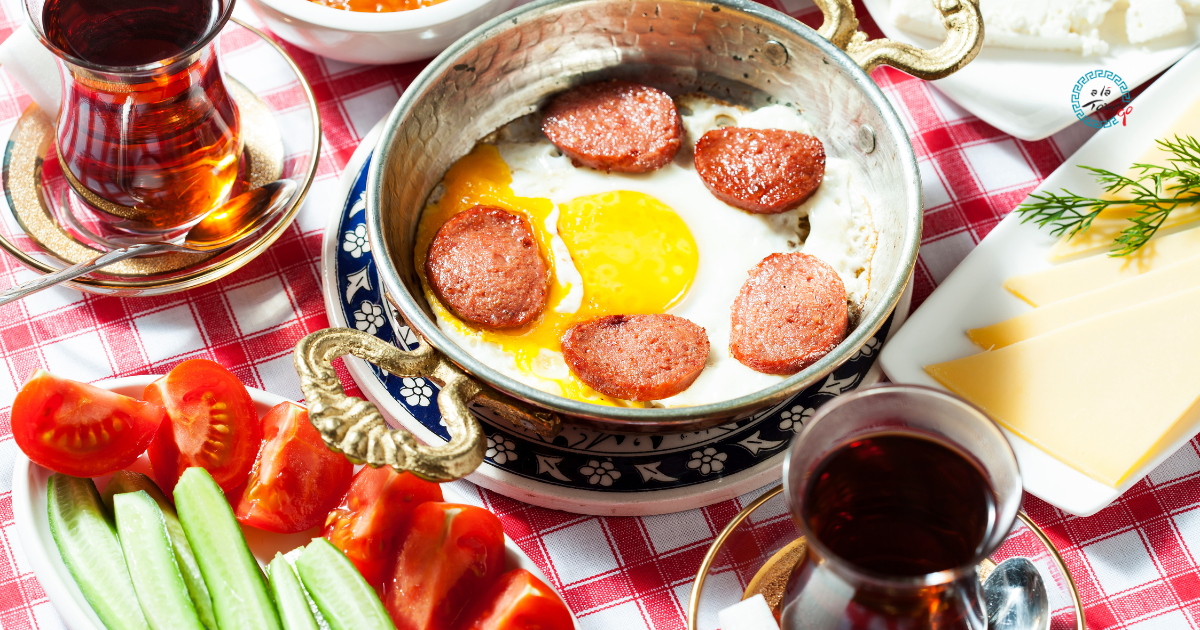
Breakfast is a vegetarian's best meal and a vegan's hardest. The table is built on cheese, butter, honey and eggs. A vegan can still do well with olives, tomato, cucumber, jams, bread and tahin-pekmez — sesame paste with grape molasses, which is both vegan and the best thing on the table. Our Turkish breakfast guide explains the rest of the spread.
Street food is better than you would expect. Simit is vegan. So is çiğ köfte — the version sold in shops across Turkey today is made without meat, from bulgur, pepper paste and spices, wrapped in lettuce with lemon. Kumpir (baked potato) is vegetarian if you steer the toppings. Nohut pilav (chickpeas over rice) is usually cooked with butter, so ask.
On the road, roadside restaurants always have lentil soup, a salad, a pide and the day's vegetable dishes. In small eastern towns the menu narrows, but peynirli pide, mercimek çorbası, çoban salata and bread are available absolutely everywhere.
Desserts
More vegan than you would guess. Aşure (grain, fruit and nut pudding) is traditionally dairy-free. Lokum is starch-based, not gelatine. Tahin helva, kabak tatlısı (candied pumpkin with walnuts) and incir tatlısı are all plant-based — just ask them to leave off the kaymak. Baklava is usually made with butter, so it is vegetarian rather than vegan.
Where it is easy and where it is harder
Istanbul, İzmir and the Aegean coast have dedicated vegan restaurants and menus that mark dishes. The Aegean is the easiest region in the country — the local cuisine is built on wild greens and olive oil, so you are eating the regional speciality rather than the compromise. Our Aegean tour runs straight through that cooking.
Central and eastern Anatolia are more meat-centred, and small-town kitchens rarely have a labelled option. It is entirely workable — the zeytinyağlılar and the soups are there — but it rewards saying so in advance rather than at the table. On our southeastern and eastern Anatolia routes, dietary requirements given at booking are passed to every restaurant on the itinerary, which matters far more in Kahta than it does in Bodrum.
Five phrases to screenshot
- Veganım — I'm vegan
- Et, tavuk, balık yemiyorum — I don't eat meat, chicken or fish
- Süt ürünü yemiyorum — I don't eat dairy
- Tereyağı var mı? — is there butter in it?
- Et suyu var mı? — is there meat stock?
Asked politely, these get a straight answer. Turkish kitchens are used to accommodating people and nobody treats the question as difficult — the problem is almost never willingness, only that nobody thought to mention the butter.
Türkiye'yi Keşfetmeye Hazır mısınız?
Uzman rehberlerimizle Türkiye'nin en etkileyici destinasyonlarında unutulmaz bir yolculuğa çıkın.
Turları Keşfet