EN
EN
 TR
TR
 DE
DE

What to Wear in Turkey: Mosques, Coasts and Everything Between
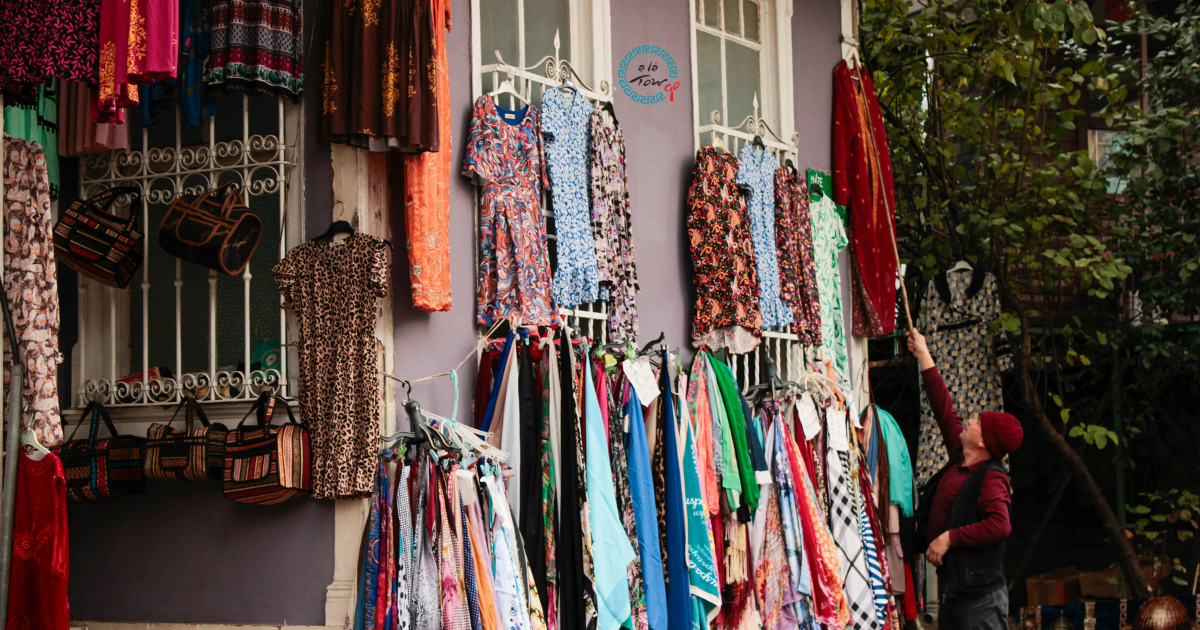
Two things tend to be true of visitors packing for Turkey. They worry more than necessary about modesty, and they think less than necessary about footwear. One of those will cost you ten minutes at a mosque door; the other can quietly ruin a week.
Here is the whole picture: what the mosque rules actually are, how the regions genuinely differ, and the one item that matters more than all the rest.
First, Reset the Expectation
Turkey is a secular republic with no national dress code, and in most of the places visitors go, people dress as they do in southern Europe. In Istanbul's Beyoğlu, Kadıköy and Nişantaşı, in İzmir, and in the coastal resorts, you will see exactly what you would see in Athens or Barcelona.
You do not need to buy anything special to visit Turkey. There is no requirement to cover your hair in public, no restriction on sleeveless tops or shorts in cities and resorts, and no expectation that foreign visitors dress differently from locals.
There is one real rule, and it applies in mosques. Everything else in this article is about comfort and context rather than obligation.
The Mosque Rules, Precisely
Mosques in Turkey are free to enter and welcome visitors outside prayer times. The requirements are modest and specific.
For women
- Cover your hair with a scarf. It does not need to be tightly wrapped — draped over the head is fine.
- Cover your shoulders and upper arms.
- Cover your knees. Long skirt, dress or trousers.
For men
- Long trousers. Shorts above the knee are generally not acceptable at the major mosques.
- Covered shoulders. A t-shirt is fine; a vest is not.
For everyone
- Shoes off. There are racks at the entrance, or you carry them in a plastic bag provided at the door. Most people prefer to carry them.
- Socks matter. You will be standing on carpet. This is the moment to not have a hole in them.
- Avoid prayer times, which happen five times a day and shift with the seasons. Friday midday is the busiest and worst time to visit.
- Silence your phone. Photography is generally allowed; photographing people praying is not acceptable.
The thing nobody tells you
Major mosques provide the coverings at the door, free of charge. The Blue Mosque, Süleymaniye, Eyüp Sultan and other heavily visited mosques keep scarves and wrap-around skirts at the entrance for visitors who arrive without them. You will not be turned away for wearing shorts; you will be handed a wrap.
So the practical consequence is small. If a mosque is on your day's plan, bring a scarf and wear long trousers and you walk straight in. If you forget, you borrow one and lose two minutes.
Hagia Sophia functions as a mosque and the same rules apply. Note separately that its upper gallery is ticketed for foreign visitors — covered in our museum pass guide.
The Actual Regional Spectrum
This is the part most guides flatten into a single warning. In reality Turkey spans a wide range, and knowing where you are going matters more than any packing list.
| Where | What people wear | What to pack |
|---|---|---|
| Aegean and Mediterranean resorts (Bodrum, Fethiye, Antalya, Alanya) |
European beach norms. Swimwear, shorts, sundresses | Whatever you would take to Greece or Spain |
| Istanbul — Beyoğlu, Kadıköy, Nişantaşı, Beşiktaş | Fully metropolitan. Anything | City clothes. Istanbul dresses well; you may feel underdressed rather than over |
| Istanbul — Fatih, Eyüp, parts of Üsküdar | Noticeably more conservative, more headscarves | Knees and shoulders covered keeps you comfortable rather than conspicuous |
| Cappadocia, Konya, central Anatolia | Moderate. Konya more conservative than most | Trousers and sleeves for town; anything for the valleys |
| Black Sea coast and highlands | Moderate to conservative, practical | Layers and rain protection matter more than modesty |
| Southeast (Şanlıurfa, Mardin, Diyarbakır) |
Clearly conservative. Most local women cover their hair | Loose long trousers, sleeves, a scarf to hand |
In the southeast, dressing more modestly is not a rule and nobody will confront you. What it does is reduce attention, and in a region where a foreign woman already draws looks, that is a practical comfort decision rather than a cultural concession. Our guide to solo female travel in Turkey goes into this properly.
Beaches and Pools
Simple, with one caveat.
At hotels, resorts, beach clubs and the main beaches of the Aegean and Mediterranean, ordinary swimwear including bikinis is completely normal. Nobody looks twice.
Topless sunbathing is not the norm and is best avoided outside private hotel areas where it is explicitly tolerated. Nudity is not acceptable anywhere public.
The caveat: at municipal beaches in conservative areas, including some Black Sea and southeastern towns, local women often swim in shorts and t-shirts or in full swim-dress. You are not expected to match, but a cover-up for walking to and from the water is the considerate choice.
And the general rule for everywhere: swimwear stays at the beach. Walking into a café or shop in a bikini top reads as rude in Turkey in the same way it would in Italy.
Now the Part That Actually Matters: Shoes
If you take one thing from this article, take this. The clothing decision most likely to affect your trip in Turkey is not modesty. It is footwear, and almost nobody writes about it.
Here is what your feet are up against:
- Wet marble. Mosque courtyards and entrances are marble, washed frequently, and genuinely slippery. Smooth-soled shoes on wet mosque marble is the single most common way visitors hurt themselves in Istanbul.
- Cobbles and broken pavement. Balat, Galata, Fener, the back streets of Üsküdar. Picturesque, uneven, ankle-unfriendly.
- Archaeological sites. Ephesus is two kilometres of ancient marble street, polished by two thousand years of feet. Hierapolis, Perge and Aphrodisias are loose stone and gravel.
- Distance. A normal sightseeing day in Istanbul is eight to twelve kilometres on foot. Most visitors walk more here than they do at home.
- Hills. Istanbul is built on them. So is Mardin, vertically.
- On and off, all day. Multiple mosques in a day means repeated removal. Laces are a mild punishment; slip-ons are a small daily gift.
What to bring: one pair of broken-in walking shoes or trainers with a grippy rubber sole, ideally slip-on or quick to loosen. A second pair for evenings if you like. Sandals for the coast.
What not to bring: new shoes, smooth leather soles, heels for anything other than a restaurant you will taxi to, and flip-flops as your only footwear.
Season by Season
Spring and autumn (April–June, September–October)
The best months and the easiest packing. Layers: t-shirts, a light jumper, a light jacket. Evenings cool off noticeably, especially in Cappadocia and inland. Rain is possible, not constant.
Summer (July–August)
Hot everywhere and severe inland and southeast, where 40°C is routine. Loose, light, natural fabrics beat tight synthetic ones by a wide margin. Hat and sunglasses are not optional at archaeological sites, which have no shade. Bring one long-sleeved light shirt — it is better sun protection than sunscreen on a 40°C day at Göbeklitepe.
Winter (December–March)
Istanbul sits around 9°C by day with frequent rain. The mistake is packing one heavy coat: interiors are heated hard and you will overheat indoors. Layers plus a waterproof outer shell is the right answer, since the Turkish winter is wet more than it is frozen.
Eastern Anatolia is a different proposition entirely — Erzurum and Kars go well below freezing and need real cold-weather clothing, not city winter clothing. Our winter guide covers the regional differences.
Five Items Worth Deliberately Packing
- A large light scarf. Mosque covering, sun protection, cold aeroplane, impromptu picnic blanket. The highest-utility item in a Turkey bag, for men as well as women.
- Slip-on shoes with grip. Explained above.
- Decent socks. You will be in them on mosque carpet more often than you expect.
- One pair of long, loose trousers even in August. Mosques, the southeast, and air-conditioned coaches.
- A small daypack rather than a shoulder bag. Easier on long walking days, and easier to keep zipped in crowds.
Particular Situations
Hamam. Bring nothing. A peştemal cloth is provided and that is what you wear. Swimwear bottoms are acceptable if you prefer them; full nudity is not the norm in Turkish hamams.
Ramadan. No dress requirement changes, but in conservative areas slightly more modest dress during daylight hours reads as courteous. Dates shift each year — see our public holidays guide.
Restaurants and nightlife. Istanbul's good restaurants and rooftop bars have a dress standard closer to Milan than to a beach resort. Smart casual covers nearly everything; some places refuse shorts in the evening.
Mosques you might not expect. If a working mosque is on your itinerary in the morning, that decides your whole outfit for the day. Worth checking the plan the night before rather than changing at lunchtime.
Frequently Asked Questions
Do women need to cover their hair in Turkey?
Only inside mosques. There is no requirement anywhere else, and in Istanbul, İzmir and the coastal resorts the majority of women do not cover their hair.
Can I wear shorts in Turkey?
Yes, in cities and resorts. Not inside mosques, where long trousers are expected for men and knees should be covered for women. In the southeast, shorts will mark you out even though nobody will object.
Are scarves provided at mosques?
At the major visited mosques, yes, free of charge at the entrance, along with wrap-around skirts. You will not be turned away for arriving unprepared.
Can I wear a bikini in Turkey?
Yes, at hotels, resorts and the main Aegean and Mediterranean beaches, where it is entirely normal. Topless sunbathing is not the norm, and swimwear should not be worn into cafés and shops.
What shoes should I bring to Turkey?
Broken-in walking shoes with a grippy rubber sole, ideally slip-on. Wet marble at mosque entrances is slippery, old-town streets are cobbled and uneven, and a sightseeing day commonly runs eight to twelve kilometres.
What should I wear in the southeast?
Loose long trousers, covered shoulders, and a scarf within reach. It is not a rule, but the region is noticeably conservative and dressing modestly reduces attention considerably.
Do I need to dress differently during Ramadan?
No formal change, though slightly more modest dress during daylight in conservative areas is a courtesy. Eating and drinking openly in the street in those areas is more noticeable than clothing.
Bereit, die Türkei zu erleben?
Begleiten Sie unsere erfahrenen Reiseleiter auf eine unvergessliche Reise zu den schönsten Zielen der Türkei.
Touren entdecken