EN
EN
 TR
TR
 DE
DE

Turkish Coffee: History, Ritual and How to Drink It Properly
Turkish coffee has been drunk in the same way for over 500 years. It is, by most accounts, the oldest brewing tradition still in widespread daily use. UNESCO recognised Turkish coffee culture as an Intangible Cultural Heritage of Humanity in 2013 — not for the coffee itself, but for the social and cultural practices that surround it.
The History
Coffee arrived in Turkey in the mid-16th century, brought from Yemen through Arab trade networks. Istanbul's first coffeehouses — kahvehane — opened in the 1550s and rapidly became the central social institutions of Ottoman urban life: places where men gathered to talk, play games, listen to storytelling and conduct business. The coffeehouses of Vienna, the cafes of Paris and the coffee culture of the Arab world all trace partial descent from the Ottoman kahvehane tradition.
How Turkish Coffee Is Made
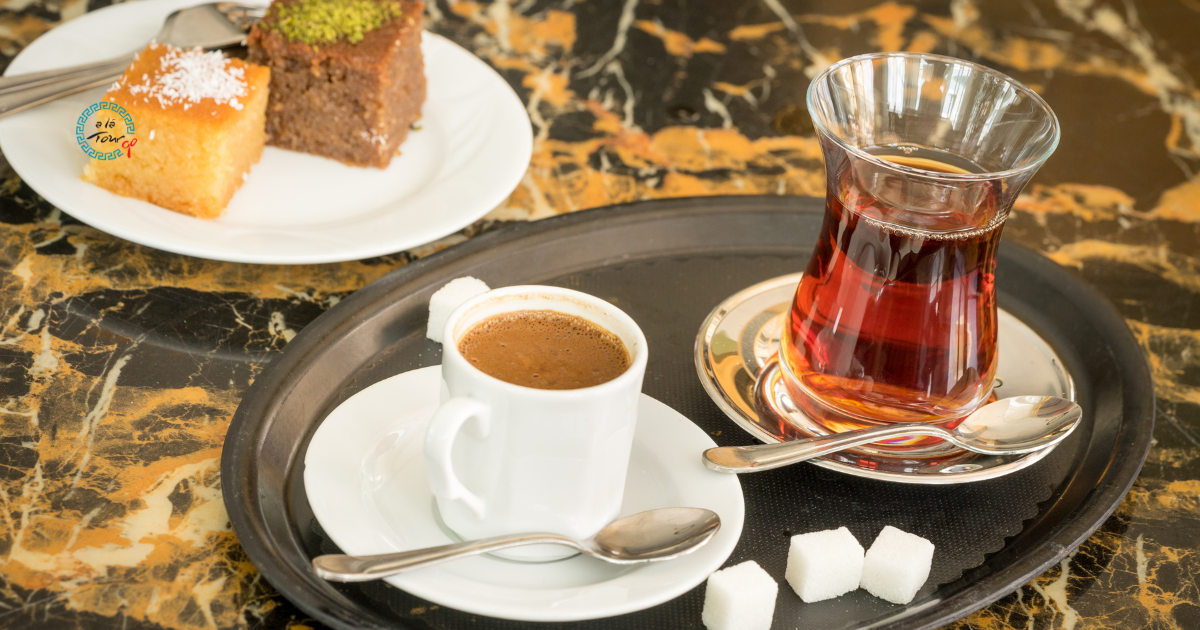
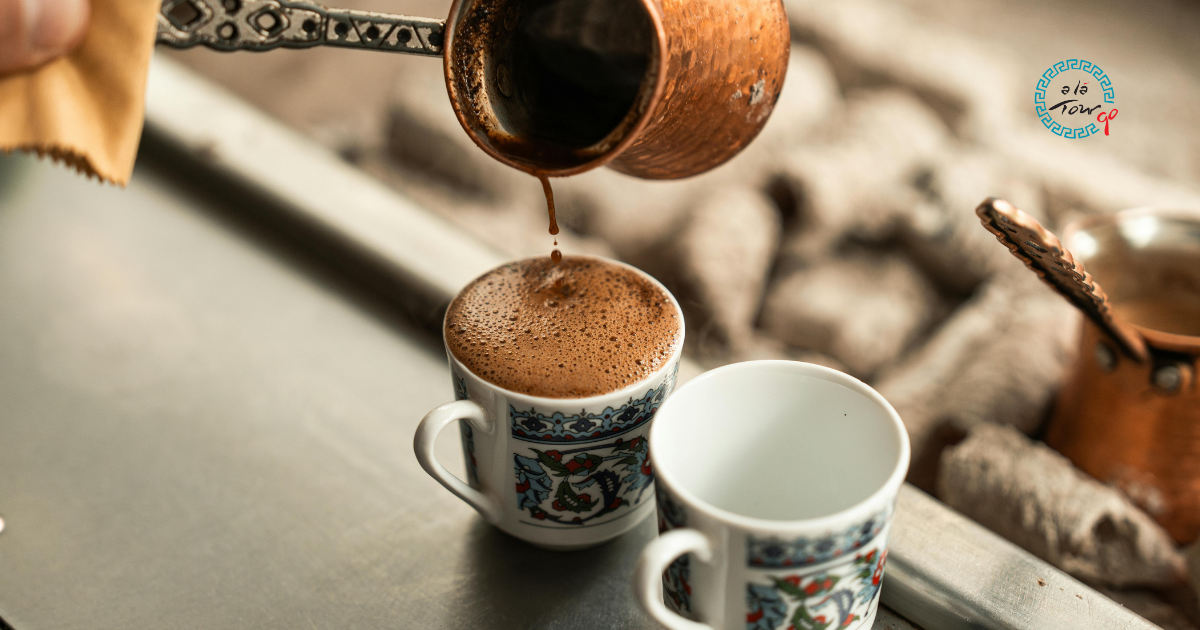
Turkish coffee is prepared by simmering very finely ground coffee — almost a powder — with water and optionally sugar in a small long-handled pot called a cezve. The coffee is never boiled, only brought to the edge of boiling and removed from the heat as the foam rises. The coffee is poured directly into a small cup — grounds and all. The grounds sink to the bottom. The coffee is drunk slowly, stopping before reaching the grounds. A glass of water and often a small sweet are served alongside.
The Question of Sugar
Sugar is added during preparation, not after. Standard options when ordering: Sade (no sugar), Az şekerli (a little), Orta (medium), Çok şekerli (very sweet). Specify when ordering if not asked.
Fortune Telling
After drinking, many people invert the cup onto the saucer, allow it to cool, then read the patterns formed by the dried grounds — fal. This is a genuine and widespread cultural practice. In many traditional coffeehouses, a reader (falcı) is available. Having your fortune told from a Turkish coffee cup is an experience worth seeking out.
The Social Function
Like Turkish tea, coffee in Turkey is not purely a beverage — offering it is an act of hospitality. The expression "a cup of coffee has forty years of memory" captures the depth of obligation a shared cup creates.
Where to Drink
In any traditional Turkish coffeehouse. In Istanbul, the historic Mandabatmaz in Beyoğlu is the most authentic experience in the city — a tiny shop that has been serving traditional coffee since the 1960s.
Why Choose AlaTourqo?
As a TÜRSAB #16222-certified tour operator, we offer expertly guided, small-to-medium-sized group experiences across all 7 regions of Turkey — where Turkish coffee culture is part of the journey.
Start planning your trip today — fill out our Custom Tour Form or message us on WhatsApp. We respond within 24 hours.
Bereit, die Türkei zu erleben?
Begleiten Sie unsere erfahrenen Reiseleiter auf eine unvergessliche Reise zu den schönsten Zielen der Türkei.
Touren entdecken