EN
EN
 TR
TR
 DE
DE

The Spice Bazaar in Istanbul: A Complete Visitor's Guide
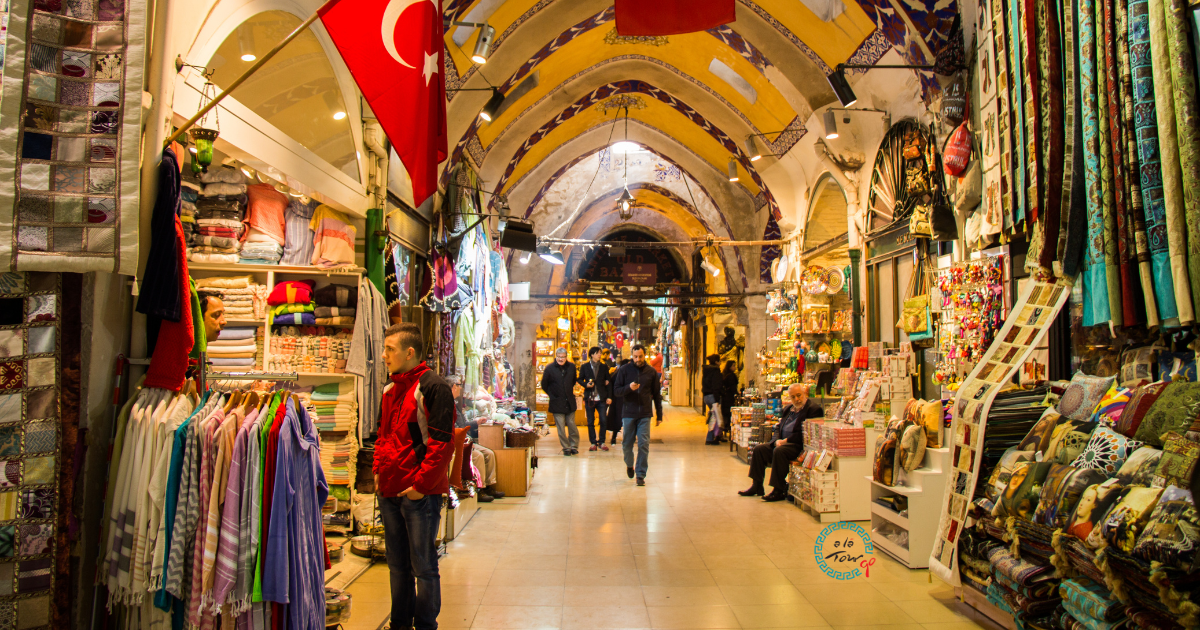
The Mısır Çarşısı — the Egyptian Bazaar, usually translated into English as the Spice Bazaar — sits at the edge of Eminönü, a short walk from the Galata Bridge, and has been one of Istanbul's central commercial spaces since the 1660s. It is smaller and more manageable than the Grand Bazaar, more atmospheric than a modern market, and contains a genuine concentration of things worth buying alongside the tourist items you can ignore. Here is how to approach it.
A Brief History
The bazaar was constructed in 1660 as part of the Yeni Cami mosque complex. Its revenues were originally intended to fund the mosque's maintenance — a common Ottoman practice of endowing religious foundations with commercial income. The name "Egyptian Bazaar" refers not to Egyptian merchants but to the customs taxes on Egyptian goods that initially funded the bazaar's construction.
For centuries it was the primary commercial hub for spices arriving from the Arab world, Persia and the Indian subcontinent via the Ottoman trade networks. Many of those spices are still sold here.
What to Buy
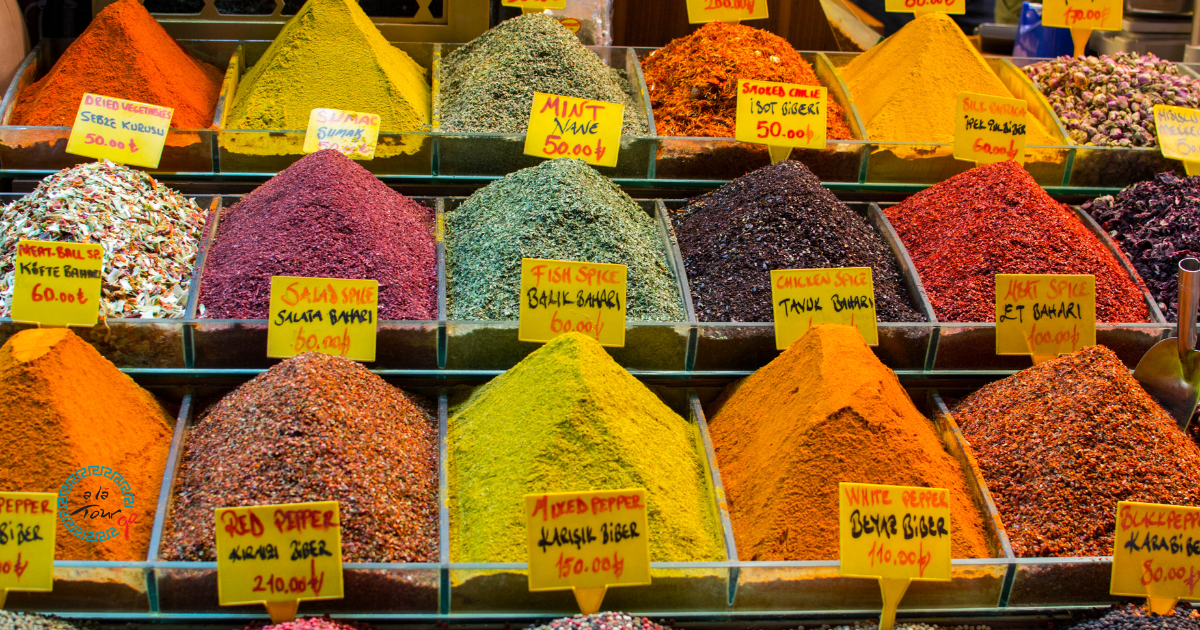
Spices are the obvious starting point. Saffron — in quality ranging from excellent to fraudulent, so buy from established vendors rather than street hawkers at the entrance. Sumac, pul biber (red pepper flakes), isot biber (smoky Urfa pepper), cumin, dried mint and thyme are all good quality and reasonably priced. Turkish spice blends for specific dishes — köfte mix, lahmacun spice mix — make practical and unusual gifts.
Dried fruits and nuts are excellent. Apricots, figs, mulberries and various grape-based products from Anatolia. Antep pistachios, hazelnuts from the Black Sea coast, and various nut-based confections. The quality here is generally higher than in supermarkets.
Turkish delight (lokum) is sold throughout the bazaar and quality varies enormously. The best versions are made with real fruit and nut additions rather than artificial flavouring. Avoid the very cheapest options; a slightly higher price generally reflects real ingredients.
Teas and herbal preparations — apple tea powder (a tourist item, not what Turks actually drink), various herbal teas, and good quality loose-leaf black tea from Rize.
What to Skip
The stalls immediately inside the main entrances sell the most generic tourist items at the highest prices. Move deeper into the bazaar for better variety and better value. The spice sellers who aggressively offer samples and call out to passersby near the entrance are generally not the best sources.
Practical Information
The Spice Bazaar is open Monday to Saturday, 8am to 7:30pm. It is closed on Sundays. The area surrounding the bazaar — particularly the streets between the Spice Bazaar and the Grand Bazaar — contains additional spice, textile and hardware merchants worth exploring.
The Eminönü square in front of the bazaar is one of Istanbul's most atmospheric spots: the Galata Bridge stretching across the water, ferries departing for Asian Istanbul, the sound of vendors and seagulls. Allow time to sit at one of the small tea tables outside and simply watch the city pass.
Discover Istanbul's markets and bazaars on our guided Istanbul tours at alatourqo.com/tours.
Bereit, die Türkei zu erleben?
Begleiten Sie unsere erfahrenen Reiseleiter auf eine unvergessliche Reise zu den schönsten Zielen der Türkei.
Touren entdecken