EN
EN
 TR
TR
 DE
DE

The Best Local Markets in Turkey Outside Istanbul
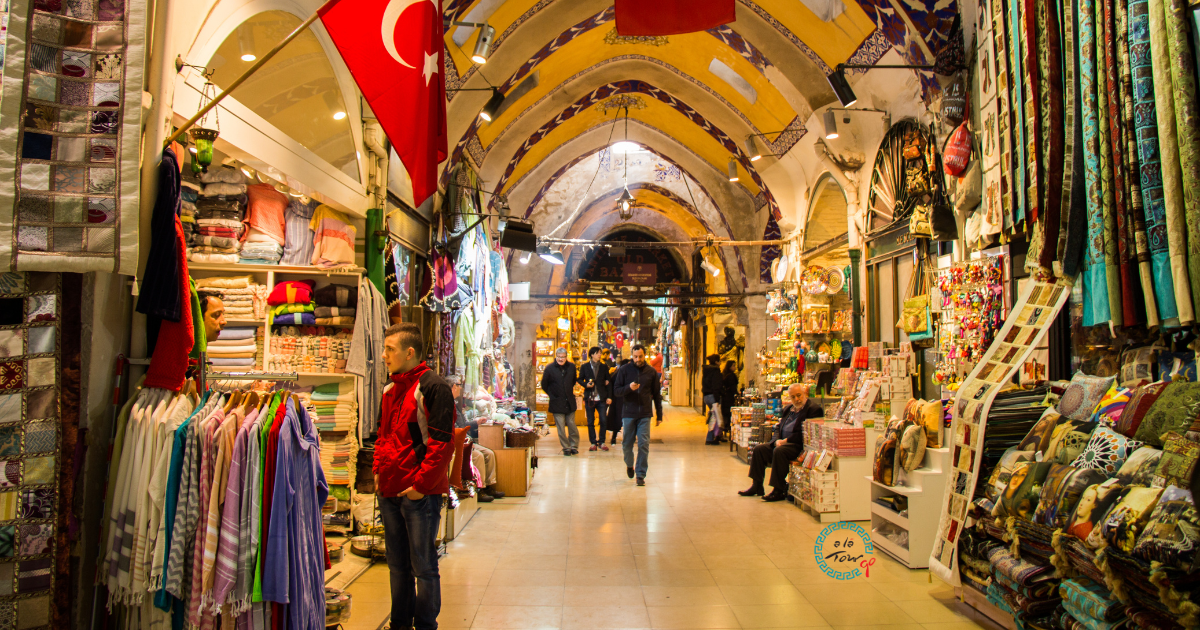
Istanbul's Grand Bazaar and Spice Bazaar are the most famous markets in Turkey — and justifiably so. But some of the country's most rewarding market experiences are found outside the capital, in city bazaars and weekly village markets that are less polished, more authentic and in many cases more interesting. Here are the best.
Gaziantep — The Spice and Copper Bazaar
The old bazaar complex of Gaziantep — centred on the Zincirli Bedesten and the surrounding covered streets — is arguably the finest functioning traditional bazaar in Turkey outside Istanbul. Unlike the Grand Bazaar, it retains a large proportion of local customers alongside tourists, and the trade remains genuinely specialised: copper workshops, spice vendors, the baklava district, textile merchants, and the extraordinary pastry shops that have made Gaziantep's culinary reputation.
The spice market in Gaziantep is where to buy isot biber (smoky Urfa pepper), Antep pistachio preparations and red pepper paste of genuinely high quality. The copper section — still working — produces hand-hammered items you can watch being made.
Bursa — Koza Han and the Silk Tradition
Bursa was the first capital of the Ottoman Empire and the heart of the Ottoman silk trade. The Koza Han — the Cocoon Inn — is a double-storey caravanserai built in 1490, still functioning as a market for silk products. In summer, raw cocoons are sold in the courtyard during the silk harvest season; year-round, the surrounding shops sell silk scarves, fabric and traditional products.
The old bazaar area surrounding Koza Han is one of Turkey's best-preserved Ottoman commercial complexes. Bursa is also the home of the original Iskender kebab and genuine peach preserves — both worth seeking out alongside the markets.
Şanlıurfa — The Old Bazaar
The bazaar district of Şanlıurfa, adjacent to the Balikligöl sacred pool, is among the most atmospheric in Turkey. The covered streets deal in spices, local textiles, copper goods and the ingredients of southeastern Turkish cooking. The pace is slower than Istanbul, the prices are significantly lower, and the interaction with vendors is warmer and less commercially driven.
The Şanlıurfa bazaar is also where to find the finest isot biber directly at source, and where local women sell hand-embroidered textiles that are not available anywhere else.
Mardin — The Old City Market
Mardin's market runs through the lanes of the old city, set into the hillside above the Mesopotamian plain. The town's craft tradition centres on silver jewellery — Mardin silversmiths produce filigree work of high quality in styles that reflect the city's layered Syriac, Arab and Kurdish cultural history. Handmade soap from local herbs and olive oil, and locally produced red wine, are also worth looking for.
Weekly Village Markets
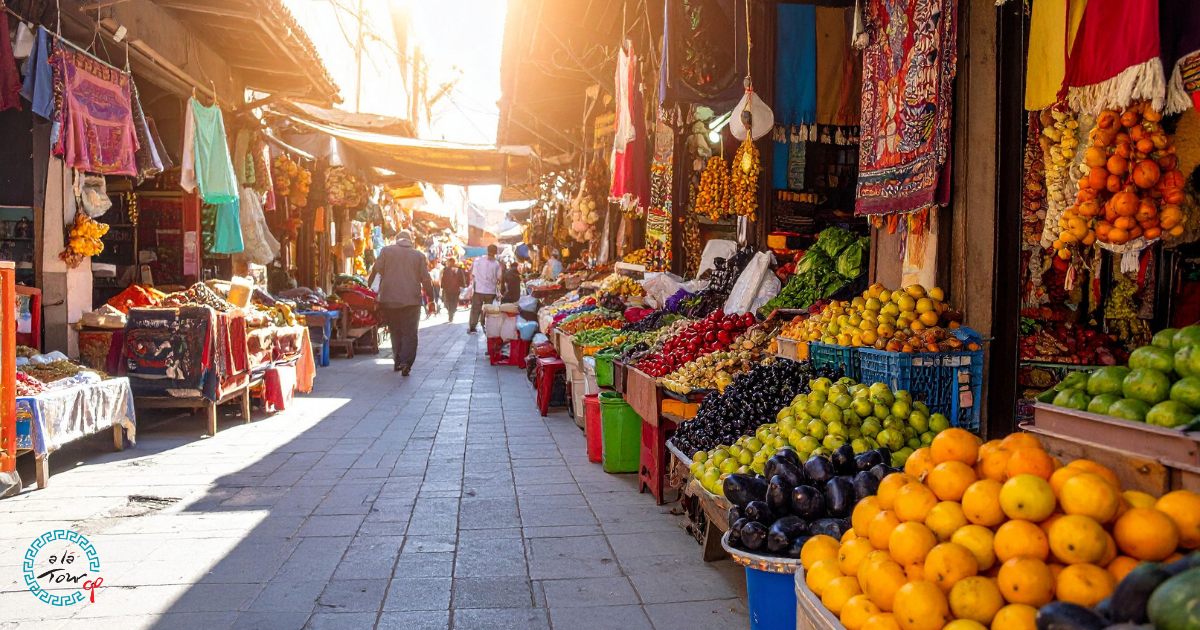
Throughout Anatolia, weekly village markets — pazar — are held on a rotating schedule. They are working markets for local produce rather than tourist destinations: fresh vegetables, seasonal fruit, dried goods, live animals, household items, fabric and clothing. They happen in every town in Turkey on a designated day of the week.
Attending a village market requires simply asking locally which day the market is held. The experience of shopping in a weekly Anatolian market — with no tourist infrastructure and no concessions to visitors — is one of the most genuinely local experiences Turkey offers.
Browse our tours across Turkey's most distinctive regions at alatourqo.com/tours.
Bereit, die Türkei zu erleben?
Begleiten Sie unsere erfahrenen Reiseleiter auf eine unvergessliche Reise zu den schönsten Zielen der Türkei.
Touren entdecken