EN
 TR
 DE

Dolmabahce Palace: The Ottoman Empire's Expensive Last Act
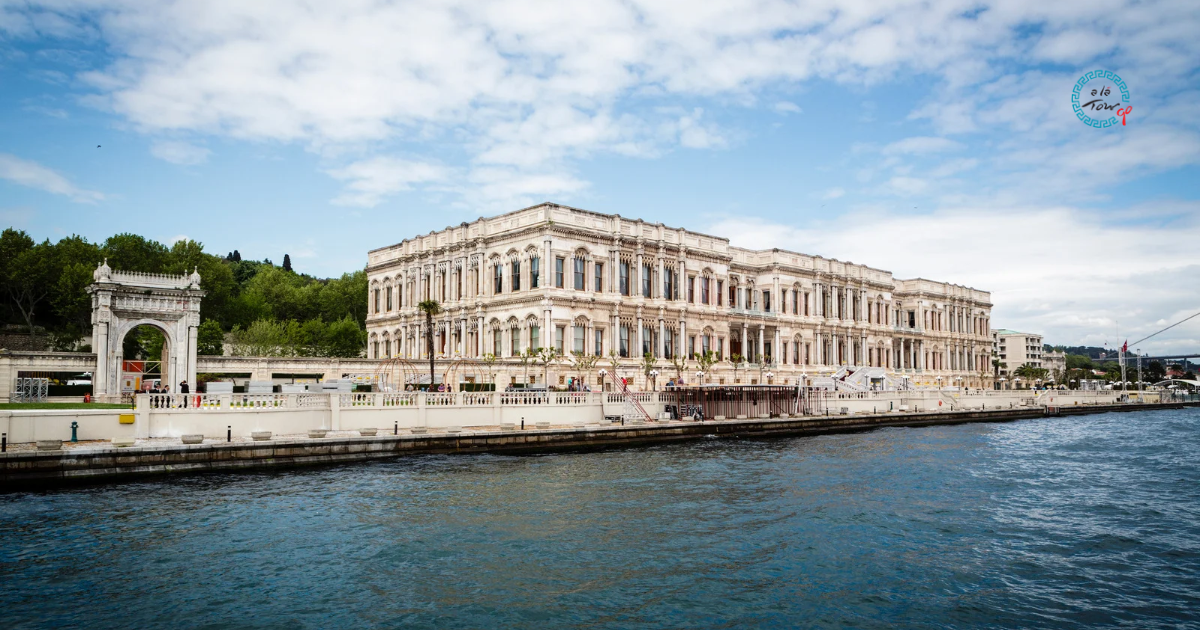
Topkapi is a compound of pavilions that grew over four hundred years. Dolmabahce is a single European palace, built in thirteen years, specifically to say one thing: we are still a modern state and we belong among you.
The building is magnificent and the argument did not work. Understanding that is most of what makes a visit here interesting.
Why it exists
By the 1840s the Ottoman Empire was in trouble and knew it. European powers were circling, reforms were being pushed through, and Sultan Abdülmecid I decided the old palace on the hill was an embarrassment. A medieval compound with the sultan tucked behind screens did not say "modern European monarchy".
So he commissioned a new one on reclaimed land at the water's edge, from the Balyan family, the Armenian architects who shaped nineteenth-century Istanbul. It was built between 1843 and 1856, in a mix of baroque, rococo and neoclassical, and it cost an amount that is still argued about and was, by any account, catastrophic.
The empire declared bankruptcy in 1875. Dolmabahce did not cause that on its own, but it is the most visible single thing the money went on, and everyone knew it at the time.
What to see
The Crystal Staircase
Double-horseshoe, with balusters of Baccarat crystal. It is the first room that makes people stop talking, and it was designed to do exactly that to visiting ambassadors.
The Ceremonial Hall
The largest room in the palace, under a 36-metre dome, with a chandelier weighing around 4.5 tonnes, among the biggest in the world.
You will be told it was a gift from Queen Victoria. It is a lovely story and the archival receipts suggest it was bought, not given. Take the version you prefer, but the purchase records are the stronger evidence.
Room 71
Atatürk spent his last months here and died in this room on 10 November 1938 at 09:05. The clock still reads 9:05, and every year at that minute the country stops: sirens, traffic halted, people standing in the street.
For Turkish visitors this is the whole reason to come, and the mood in that corridor is noticeably different from the rest of the palace. Be aware of it.
The sheer quantity of gold
The ceilings are gold leaf by the tonne. Around 285 rooms. Hand-knotted Hereke carpets, Bohemian and Baccarat glass, Sevres vases, a clock collection, and the bear skins given by Tsar Nicholas I. After an hour it stops reading as beauty and starts reading as a balance sheet, which is the honest reaction.
Planning the visit
| Closed | Mondays, 1 January, and the first days of religious holidays |
|---|---|
| Hours | Tuesday to Sunday, 09:00 to 17:00. Entry is staggered, so arrive well before closing. |
| Ticket | One combined ticket covers the Selamlık (state wing), the Harem (family wing) and the Painting Museum. Buy from the official seller, millisaraylar.gov.tr. |
| Price | Around 2,000 TL for foreign visitors as of autumn 2026. Check before you go; this changes. |
| Museum Pass | Not valid. Dolmabahce is run by the National Palaces administration, not the ministry. |
| Time needed | Two to three hours for both wings, half an hour more with the Painting Museum. |
| Photography | Phone photos without flash have been allowed indoors since early 2026. No tripods and no staged shoots. |
Getting there, and what to pair it with
The palace is in Beşiktaş, on the water. The T1 tram to Kabataş leaves you a few minutes' walk away, and the funicular from Taksim comes down to the same point.
Do not try to do Dolmabahce and Topkapi on the same day. They are both long visits, they are on opposite sides of the old city, and seeing two palaces in eight hours turns both into wallpaper. Pick one, or split them across two days.
What does pair well is the waterfront: walk north along the Bosphorus afterwards, or take a ferry from Kabataş. The palace was designed to be seen from the water, and the facade from a boat is the view its architects actually had in mind.
Our Istanbul Grand Tour covers the city with a licensed guide, which matters here because the labels will tell you a room is the Ceremonial Hall and not why a bankrupt empire built it.
Bereit, die Türkei zu erleben?
Begleiten Sie unsere erfahrenen Reiseleiter auf eine unvergessliche Reise zu den schönsten Zielen der Türkei.
Touren entdecken