EN
 TR
 DE

Turkish Carpets and Kilims: How to Buy One Without Getting Ripped Off
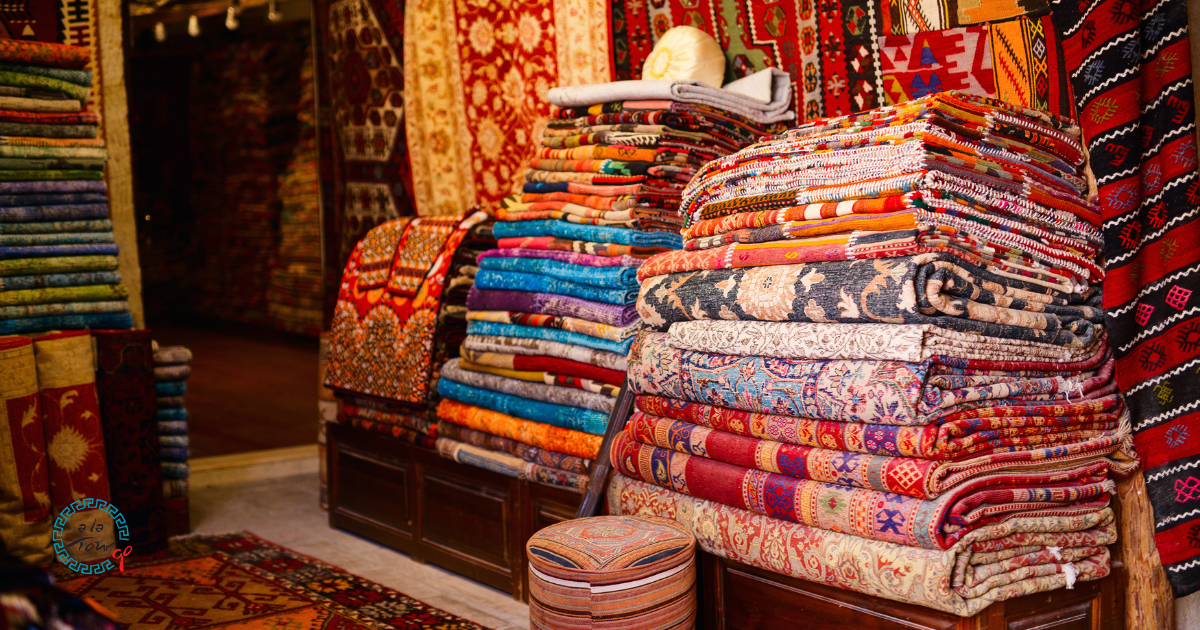
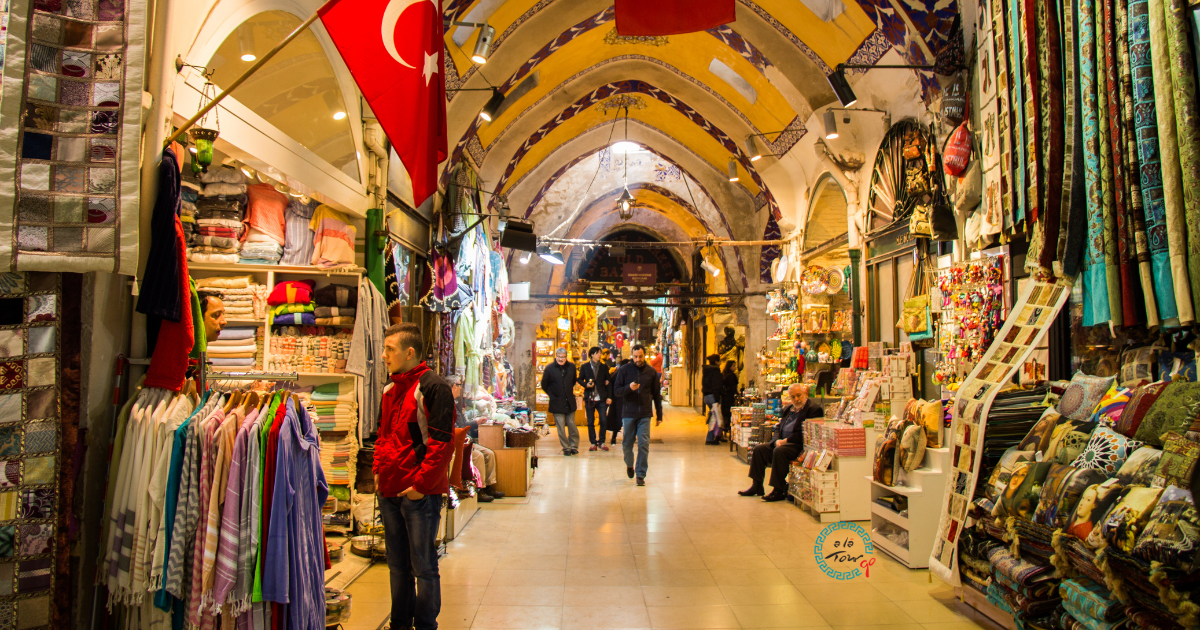
Turkey has one of the world's great carpet-making traditions. Hand-knotted wool and silk rugs, flat-woven kilims, prayer rugs and decorative pieces produced in workshops across Anatolia represent centuries of craft knowledge and artistic tradition. They are also the category of Turkish shopping most likely to result in either a genuinely wonderful purchase or a regrettable one. The difference lies entirely in knowing what you are doing before you walk into a carpet shop. Here is what you need to know.
The Basics: Carpet vs Kilim
A carpet is pile-woven — individual knots of thread tied around the warp threads, creating the raised surface. A kilim is flat-woven — the weft threads interlock with the warp to create the pattern at the same level as the surface. Both have long traditions in Turkey; they are different products serving different purposes and assessed by different criteria.
Carpets are generally more time-consuming to produce and more expensive. Kilims are lighter, more versatile and, at the quality end, equally collectible.
Hand-Knotted vs Machine-Made
The most fundamental distinction in carpet buying is between hand-knotted and machine-made. The difference in value is enormous. A hand-knotted carpet takes weeks or months to produce; a machine-made version can be produced in hours.
To distinguish them, bend the carpet back to reveal the back of the pile. A hand-knotted carpet will show individual knots — slight irregularities, variation in spacing. A machine-made carpet will show a perfectly regular, printed-looking backing. Also run your hand across the surface: machine-made carpets have a more uniform, almost plasticky feel compared to the varied texture of hand-knotted work.
Reputable sellers will always tell you clearly which category they are selling. Any seller who is evasive about this is a seller to approach with significant caution.
Materials: Wool, Silk and Cotton
Wool is the most common and most durable material. Quality varies by the breed of sheep and the region — double-knotted Anatolian wool carpets are extremely hardwearing. Silk carpets have a distinctive luminosity and softness; they are more delicate and more expensive. Cotton is sometimes used for the foundation (warp and weft) rather than the pile itself.
Beware of "art silk" (mercerised cotton or synthetic fibre presented as silk). The test: burn a small thread from the fringe — real silk smells of burning hair and leaves a crushable ash; synthetic materials smell of plastic and leave a hard residue.
Regional Styles Worth Knowing
Different regions of Turkey produce recognisably different carpet styles. Hereke, near Istanbul, produces the finest silk carpets in the country — extremely fine knotting, often with metallic thread, priced accordingly. Kayseri is known for both quality and a high volume of production. Konya and the surrounding region produces prayer rugs with characteristic geometric mihrab (prayer niche) designs. Kurdish tribal rugs from eastern Turkey are bolder, more geometric and more varied in their improvised designs.
The Buying Process
Carpet shops in Turkey, particularly in tourist areas, operate on a relationship model. You will be invited to sit, shown many pieces, offered tea, and shown more pieces. This is the normal process — not pressure but presentation. Take your time. A reputable dealer is happy for you to look at many pieces before choosing.
Prices are negotiable. Before negotiating, however, you need a calibrated sense of value — which requires visiting more than one shop. Do not commit to a price in the first shop you enter.
Ask for a certificate of authenticity, especially for silk or very expensive pieces. Reputable dealers will provide one. Ask about shipping options — quality dealers will ship internationally and this is often more practical than carrying a carpet home.
A Reasonable Budget
A small, genuine hand-knotted wool kilim or carpet of reasonable quality starts at around €150-300. A larger piece, or silk, or antique, moves quickly into thousands. Machine-made carpets of decent quality start much lower. Know your budget and your purpose before you begin.
Browse Turkey's craft heritage on our guided tours at alatourqo.com/tours.
Türkiye'yi Keşfetmeye Hazır mısınız?
Uzman rehberlerimizle Türkiye'nin en etkileyici destinasyonlarında unutulmaz bir yolculuğa çıkın.
Turları Keşfet