EN
 TR
 DE

Travelling to Turkey from Europe: The Complete Guide for 2026

Turkey is one of the most accessible long-haul destinations for European travellers — and one of the most rewarding. From Amsterdam, London, Paris, Brussels and Vienna, you can be standing in Istanbul in under four hours. Yet despite this proximity, many Europeans still underestimate just how much Turkey has to offer beyond the beach resorts.
This guide covers everything you need to know before visiting Turkey from Europe in 2026.
Do You Need a Visa?
For EU passport holders, Turkey requires an e-Visa for most nationalities. The application process is entirely online, takes around five minutes, and the visa is typically approved within 24 to 48 hours. The fee is approximately $50 USD.
Turkish nationals living in Europe can enter Turkey with their Turkish passport — no visa required.
If you're unsure about your specific nationality's requirements, check the official Turkish e-Visa portal before booking.
Getting to Turkey from Europe
Direct flights connect most major European cities to Turkey's three main airports: Istanbul Airport, Sabiha Gökçen (also Istanbul) and Izmir Adnan Menderes. From Amsterdam, London, Paris, Brussels, Vienna and Zurich, daily direct services are available.
Flight times range from approximately 3 hours (from central Europe) to 4 hours (from the UK or western France). Budget and full-service carriers both operate these routes, and booking two to three months in advance typically yields the best fares.
When Is the Best Time to Visit?
Turkey's size means different regions peak at different times of year.
Spring (April to May) and autumn (September to October) are widely considered the best overall seasons. Temperatures are comfortable, crowds are manageable, and prices are lower than peak summer. These months are ideal for inland regions, Eastern Anatolia, Cappadocia and the Black Sea highlands.
Summer (June to August) is peak season for the Aegean and Mediterranean coasts — beautiful but hot and busy. Winter offers a quieter Istanbul and some genuinely atmospheric experiences inland, though some tour departures are limited.
Which Part of Turkey Should You Visit?
Turkey is not one destination — it's seven distinct regions, each with a completely different character.
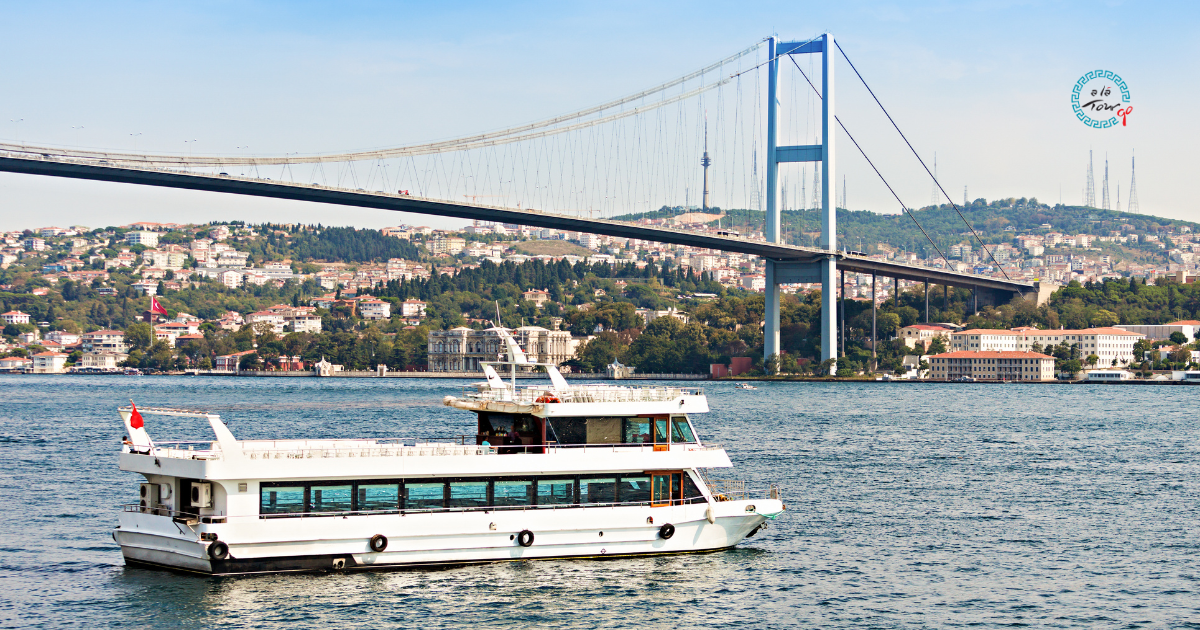
The Marmara region and Istanbul is where history and modernity collide: Byzantine churches, Ottoman palaces, the Grand Bazaar and the Bosphorus, all within a single city. The Aegean coast pairs ancient ruins — Ephesus, Pergamon, Priene — with some of the most beautiful coastline in the Mediterranean. The Mediterranean coast offers Roman theatres, Crusader castles and turquoise coves. Cappadocia and Central Anatolia is famous for its extraordinary volcanic landscape, underground cities and cave hotels. The Black Sea highlands are green, misty and unlike anywhere else in the country. Southeastern Anatolia is home to Göbeklitepe, Mardin and Nemrut — some of the most historically significant sites on earth. Eastern Anatolia — Lake Van, Ishak Pasha Palace, the ruins of Ani — is the least-visited and arguably most extraordinary region of all.
Trying to see everything in one trip is a mistake. Choosing one or two regions and exploring them properly is far more satisfying.
Why Consider a Guided Tour?
Travelling Turkey independently is possible, but guided tours offer advantages that are worth considering — especially for first-time visitors or those with limited time.
Logistics are handled entirely: accommodation, in-country transport, entrance fees and routing. You arrive, and everything works. A knowledgeable local guide transforms sites from stones and ruins into living history. Small-group formats mean flexibility and genuine depth at each location.
For regions like Eastern Anatolia or the Southeast — where infrastructure is less developed and planning is more complex — a guided tour makes a tangible practical difference.
Practical Information
Turkey's currency is the Turkish Lira. Euros and dollars are widely accepted in tourist areas, but paying in local currency always gives a better rate. ATMs are available throughout the country.
English is spoken in all major tourist areas. Guided tours naturally include language support throughout.
Turkey is a safe destination for European travellers. Standard urban precautions apply, as they would in any major city. The country welcomes tens of millions of international visitors annually.
Start Planning Your Turkey Trip
From virtually anywhere in Europe, Turkey is closer and more accessible than most people realise — and significantly more varied than its reputation sometimes suggests.
Browse our guided tour options designed for European travellers at: https://www.alatourqo.com/tr/tours
Our team is available via WhatsApp and responds within 24 hours.
Türkiye'yi Keşfetmeye Hazır mısınız?
Uzman rehberlerimizle Türkiye'nin en etkileyici destinasyonlarında unutulmaz bir yolculuğa çıkın.
Turları Keşfet