EN
EN
 TR
TR
 DE
DE

Caving in Turkey 2026: Damlataş, İnsuyu and the Best Caves Beyond Cappadocia
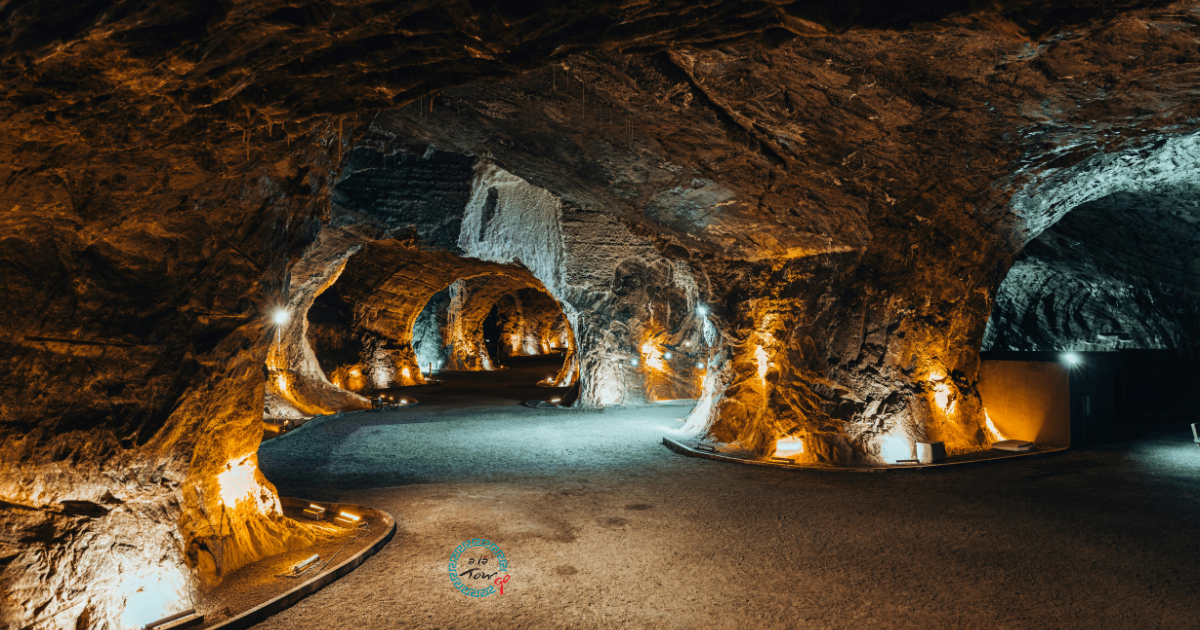
Most visitors who think of caves in Turkey think of Cappadocia — Derinkuyu, Kaymaklı, the hand-carved underground cities. These are extraordinary and deserve the attention they receive. But Turkey's cave system extends far beyond the volcanic plains of central Anatolia. The country has thousands of documented natural caves, several of them among the finest in the Mediterranean region — and almost none of them appear on the standard tourist circuit.
This guide covers the best natural caves in Turkey outside Cappadocia.
1. Damlataş Cave — Alanya's Therapeutic Stalactite Cave
Location: Alanya, Antalya Province (Mediterranean coast)
Type: Stalactite cave with therapeutic microclimate
Damlataş Cave (literally "dripping stone" cave) sits directly at the base of the Alanya promontory, adjacent to Cleopatra Beach — one of the most convenient cave locations in Turkey. The cave was discovered accidentally in 1948 during construction work and has been open to visitors since 1952.
What makes Damlataş genuinely unusual: The cave maintains a constant temperature of 22–23°C and humidity of 92–98%, with high CO2 concentration and a specific microclimate documented to provide therapeutic benefit for asthma and respiratory conditions. Turkish and international patients have been coming to Damlataş specifically for respiratory treatment since the 1950s.
What you see: The cave is relatively small (approximately 50 metres long, 15 metres high at its peak) but richly decorated — stalactites, stalagmites and flowstone formations in orange, white and cream. The ceiling formations are particularly dense. A purpose-built therapy room inside the cave seats up to 30 people who sit for 30-minute sessions breathing the therapeutic air.
Practical:
- Location: 5 minutes walk from Alanya castle base, directly adjacent to Cleopatra Beach
- Opening hours: approximately 09:00–19:00 daily (check seasonally)
- Entry: approximately €5–8
- Therapy sessions: available by arrangement; typically early morning
- Allow: 30–45 minutes for a standard visit
Alanya and the Mediterranean coast are reachable from our Turkey tours →
2. İnsuyu Cave — Underground Lake Near Burdur
Location: 7 km from Burdur, inland from Antalya
Type: Active cave with underground lake system
İnsuyu Cave (literally "water inside" cave) is one of Turkey's most impressive natural caves and one of the least visited by international tourists. The cave extends approximately 600 metres into the hillside and contains an extraordinary underground lake — visitors walk through cave galleries to reach the lake, where the still water reflects the stalactite ceiling above.
What you see: The cave is divided into dry sections (the gallery walk) and wet sections (the lake). The gallery contains large stalactite and stalagmite formations, curtain formations and flowstone. The underground lake — approximately 130 metres long, lit artificially — is the centrepiece. The reflection of the cave ceiling in the completely still water creates a genuinely extraordinary visual.
Practical:
- Location: 7 km from Burdur city; accessible by taxi from Burdur or as a day trip from Antalya (2 hours) or Pamukkale (1 hour)
- Opening hours: typically 08:00–17:00 daily
- Entry: approximately €5–8
- Allow: 1–1.5 hours
- Best combined with: Pamukkale (1 hour away) or Lake Burdur (flamingo habitat, 15 minutes)
3. Dupnisa Cave — Edirne's Underground River Cave
Location: Sarpdere village, Kırklareli Province (European Turkey, near the Bulgarian border)
Type: Active cave with underground river
Dupnisa is Turkey's most significant cave in the Thrace (European Turkey) region — and one of the most unusual. The cave contains an active underground river system and its relative humidity and temperature create specific conditions for rare cave fauna.
What you see: The cave is divided into two main sections — the Big Gallery and the Wet Gallery. The Wet Gallery contains the active river; visitors walk beside the underground water with cave formations on both sides. The cave is large enough that the sections feel genuinely cavernous rather than cramped.
Practical:
- Location: approximately 25 km from Kırklareli city; day-trip accessible from Edirne (50 km) or Istanbul (200 km)
- Entry: approximately €3–5
- Allow: 45–60 minutes
- Best combined with: Edirne city visit (Selimiye Mosque, Ottoman architecture)
4. Ballıca Cave — Central Anatolia's Stalactite Treasure
Location: Tokat Province, Black Sea region approach (north-central Turkey)
Type: Stalactite cave with multiple galleries
Ballıca Cave near Tokat is one of the most lavishly decorated stalactite caves in Turkey — and virtually unknown to international visitors. The cave extends approximately 680 metres and contains formations in an unusually wide variety of colours including orange, yellow and white.
What makes Ballıca distinctive: The cave has five separate galleries at different levels, each with its own character — from narrow passage formations to large open chambers. The variety within a single cave visit is exceptional.
Practical:
- Location: approximately 22 km from Tokat city
- Entry: approximately €5–8
- Allow: 1–1.5 hours
- Best combined with: Amasya (45 minutes west) — one of Turkey's most beautiful riverside cities with Ottoman mansions and Pontic rock tombs
5. Narlıkuyu and Cennet-Cehennem (Heaven and Hell) — Mediterranean Coast
Location: Mersin Province, Mediterranean coast
Type: Sinkholes and sea cave system
The Cennet ve Cehennem (Heaven and Hell) site near Silifke on the Mediterranean coast is one of Turkey's most dramatic geological formations — two enormous sinkholes (dolines) formed by cave roof collapse. "Cennet" (Heaven) is the larger, approximately 200 metres in diameter and 70 metres deep, with a Byzantine chapel built at its base. "Cehennem" (Hell) is narrower and too deep and steep to descend safely.
Adjacent to the sinkholes, Narlıkuyu Cave contains a small but well-decorated stalactite system with a natural mosaic floor. The combination of the sinkholes, the cave and the mosaic site (ancient Roman floor mosaic of the Three Graces found nearby) makes this one of the most diverse single-site archaeological and geological visits in Turkey.
Practical:
- Location: approximately 25 km from Silifke; 90 km from Mersin
- Entry: approximately €5–8 combined for sinkholes and cave
- Allow: 2–2.5 hours for the full site
- Best combined with: Kızkalesi (Maiden's Castle, a medieval castle on a sea island visible from the shore, 10 km)
Practical Visiting Information for Turkey's Caves
What to wear: All natural caves maintain cool, constant temperatures (typically 8–22°C depending on the cave) regardless of outside conditions. A light layer is recommended even in summer — the contrast between 38°C outside and a 12°C cave interior is significant.
Footwear: Caves have wet, sometimes slippery paths — closed-toe shoes with grip are strongly recommended. Sandals and flip-flops are not suitable.
Photography: Most Turkish caves permit photography without flash. Flash photography disturbs the cave ecosystem and degrades formation colour over time — avoid it.
Accessibility: Most developed cave sites have paved paths and are suitable for most visitors. Steeper sections at some sites (Cennet-Cehennem descent) require reasonable fitness.
Want to include a cave visit in a guided Turkey trip?
Several of our tours pass through regions with extraordinary cave systems — ask us for specific recommendations based on your itinerary.
Reach us via the WhatsApp button on the right side of our website — we respond within 24 hours.
Türkiye'yi Keşfetmeye Hazır mısınız?
Uzman rehberlerimizle Türkiye'nin en etkileyici destinasyonlarında unutulmaz bir yolculuğa çıkın.
Turları Keşfet