EN
EN
 TR
TR
 DE
DE

Turkish Tea Culture: Why Çay Is More Than Just a Drink
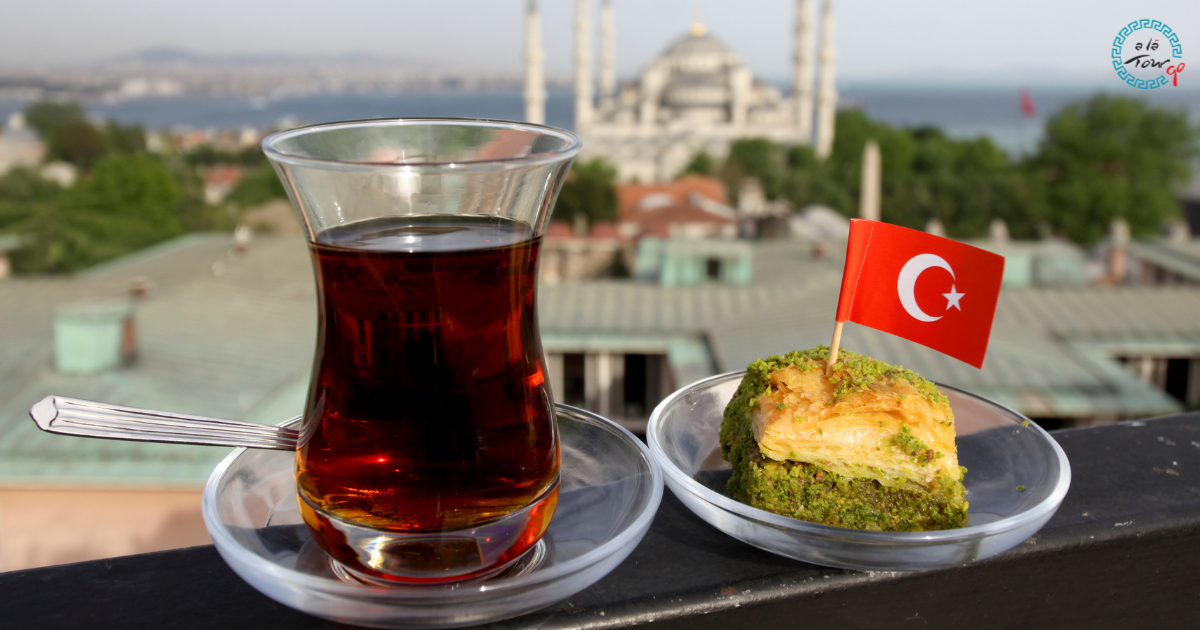
Turkey is one of the world's largest tea-consuming nations — ranking consistently among the top five per capita globally. But this statistic only begins to explain what çay actually means in Turkish life. Tea in Turkey is not a beverage in the way coffee is a beverage in Italy or beer is in Germany. It is the medium through which hospitality is expressed, through which conversations are extended, through which commercial negotiations are softened and through which the daily rhythm of life is marked. To understand Turkish tea culture is to understand something essential about Turkey itself.
The Basics: What Is Turkish Tea?
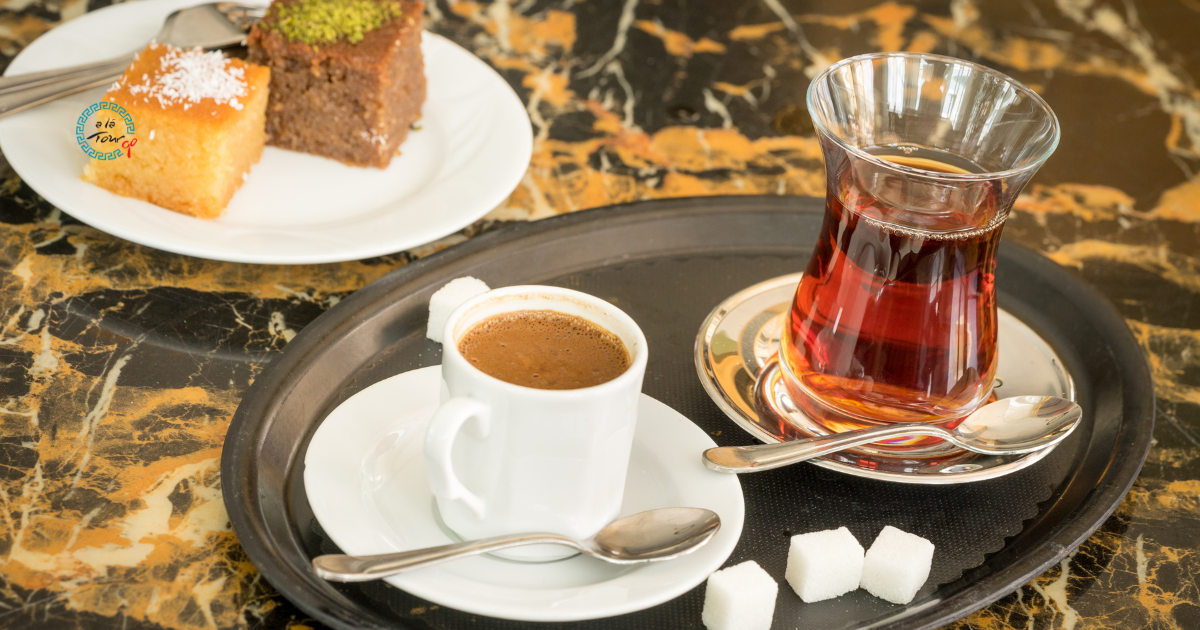
Turkish tea is a strong black tea, grown predominantly on the eastern Black Sea coast — particularly in the Rize province, whose wet climate and acidic soil produce a distinctive, robust leaf. It is brewed in a çaydanlık, a double-boiler with a larger kettle of water below and a smaller teapot of concentrated brew above. The drinker mixes the two to their preferred strength in a small tulip-shaped glass.
The glass itself is important. The tulip shape — narrow at the waist, flaring at the top — is not decorative tradition for its own sake: it keeps the lower half of the tea warm while allowing the upper half to cool to a drinkable temperature quickly. Turkish tea is drunk hot. Always.
The Social Function of Tea
Tea in Turkey is offered in virtually every social and commercial context. You sit down in a carpet shop — tea arrives. You visit a government office — tea arrives. You are negotiating the price of something in a bazaar — tea arrives. A neighbour knocks on the door — the kettle goes on.
Refusing tea that has been offered is mildly awkward. It is not offensive, but it signals a certain distance or rush that the host may notice. Accepting tea — even if you drink only a little — is the socially fluent response. It says: I have time for this. I am here.
This is not performance. Turkish hospitality through tea is genuine and deeply ingrained. The offer of tea is an offer of a moment of connection, however brief.
How Many Glasses?
There is no fixed number. In a social visit, the tea comes in waves. The glass is refilled automatically — you must actively signal that you have had enough by placing your spoon across the top of your glass or turning it upside down. If you do neither, more tea will arrive.
In a working context — a shop, an office, a workshop — tea comes at intervals throughout the day, brought by a çaycı (tea boy or tea runner) whose sole job is the preparation and delivery of tea.
Tea Gardens and Çay Bahçesi Culture
The çay bahçesi — tea garden — is one of Turkey's most characteristic social institutions. These are outdoor or semi-outdoor spaces, ranging from simple plastic chairs under trees to elaborate terraced gardens, where people sit for hours drinking tea, playing backgammon and talking. Entry is free. The only obligation is to order tea.
The most famous tea gardens in Istanbul are in Çamlıca, Pierre Loti and various Bosphorus-side parks. In Rize, the tea gardens overlook the plantations themselves. In every city, neighbourhood tea gardens function as informal community centres — where old men play cards in the morning and families gather in the evening.
Sugar, No Milk
Turkish tea is never taken with milk. Sugar — usually a cube or two on the side of the saucer — is optional and often stirred in by the drinker themselves. Asking for milk in your tea will be understood but will mark you immediately as a foreigner, which is fine.
Buying Tea to Take Home
Rize tea — sold loose, in the form of dried black tea leaves — makes an excellent souvenir. Good quality Rize tea is available in the spice bazaars of Istanbul and directly from producers in the Black Sea region. Look for loose-leaf rather than bagged versions.
Experience Turkish tea culture firsthand on our guided tours at alatourqo.com/tours.
Bereit, die Türkei zu erleben?
Begleiten Sie unsere erfahrenen Reiseleiter auf eine unvergessliche Reise zu den schönsten Zielen der Türkei.
Touren entdecken