EN
 TR
 DE

The Turkish Hamam: What Happens, What to Bring, What It Costs
Almost every visitor to Turkey considers a hamam, and a good number talk themselves out of it at the door — not because of the price, but because nobody has told them what actually happens inside. Who takes what off. Whether you are left alone. Whether the scrub hurts.
So here is the whole thing, in order.
What a hamam actually is
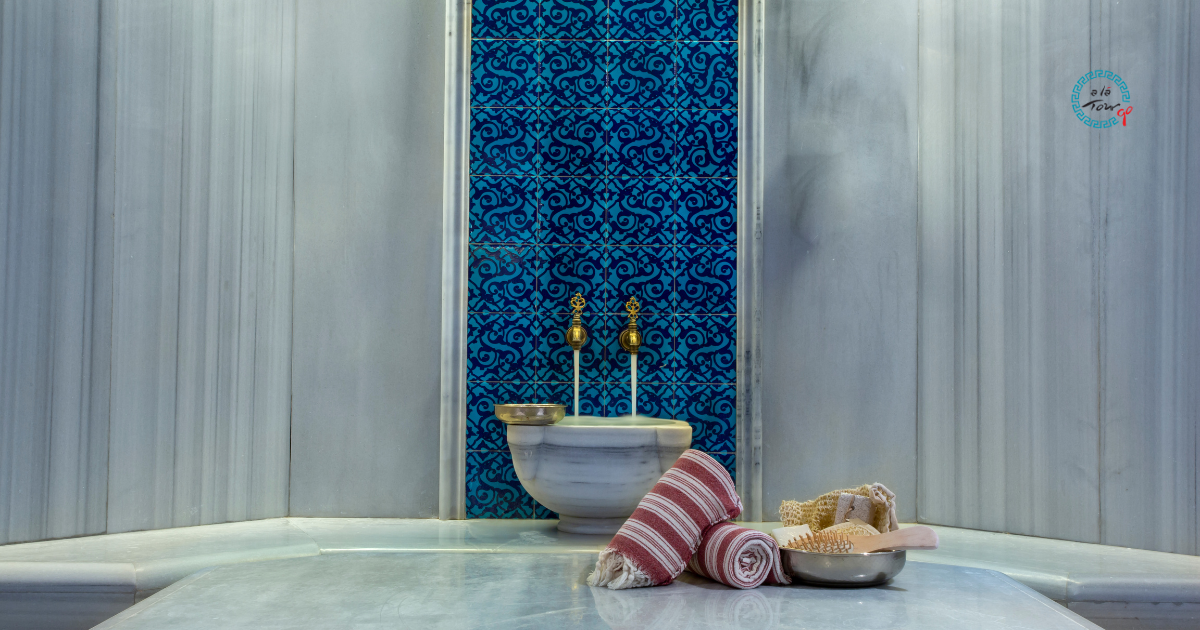
A hamam is a public bath heated by hot water and steam rising through the floor, built around a large heated marble platform called the göbek taşı, the belly stone. You do not swim and there is no pool. You lie on warm marble, sweat, get scrubbed, get washed with foam, and rinse. It is closer to a thorough cleaning than to a spa treatment, and that is the point.
Istanbul's historic hamams are Ottoman buildings from the fifteenth to seventeenth centuries, several designed by Mimar Sinan, still doing the job they were built for. They cluster around Sultanahmet, Beyazıt and Tophane — all within walking distance of where our Istanbul Grand Tour is based, which is why most of our guests fit one in on their second evening.
Step by step
1. The desk. You choose a package: entry only, entry with a scrub and foam wash, or one of those plus an oil massage. You are handed a peştemal (a thin checked cotton wrap), slippers and a key.
2. The changing cabin. Undress and wrap the peştemal around you — at the waist for men, under the arms for women. Lock up your phone, jewellery and valuables.
On underwear: most visitors keep bottoms on, and no one will comment. Many women wear a bikini bottom. In the traditional etiquette the peştemal stays on and you are never fully exposed.
3. The hot room. You pour warm water over yourself from a marble basin and lie on the göbek taşı for fifteen or twenty minutes. This part is yours alone, and nothing is expected of you. Do not rush it — the scrub works far better on softened skin.
4. The kese. An attendant — a tellak for men, a natır for women, always the same gender as you — scrubs you head to foot with a coarse mitt. It is firm and strange the first time. It should not be painful; if it is, say "yavaş" (slowly) and they will ease off. Grey rolls of dead skin come off in quantity. That is normal, and everyone's reaction is the same.
5. The foam wash. Olive-oil soap worked through a cloth bag into an improbable cloud of foam, poured over you and washed down. This is the pleasant part.
6. Rinse, then cool down. Bowls of warm water over head and shoulders, then dry towels and the cool room for tea or water. Allow fifteen or twenty minutes here. Walking straight out into the street is how you end up dizzy.
Total: 60 to 90 minutes for a standard scrub-and-foam visit.
What to bring
Nearly nothing. Towels, peştemal, slippers and soap are provided. Worth packing: a hair tie, conditioner (the soap is harsh on hair), a swimsuit bottom if you would rather wear one, and moisturiser for afterwards. Remove contact lenses before the steam room. Our packing list covers the rest of the trip.
What it costs
| Type | Service | Typical price |
|---|---|---|
| Historic hamam | entry only, self-service | around 3,200 TL / 57 € |
| Historic hamam | scrub + foam wash | around 4,050 TL / 72 € |
| Historic hamam | scrub + foam + 30-min oil massage | around 5,200 TL / 92 € |
| Historic hamam | VIP / extended package | 8,600 TL / 152 € and up |
| Neighbourhood hamam | scrub + foam wash | roughly 35–50 € |
The historic hamams are buying you a 450-year-old Sinan interior, English-speaking staff and online booking. Neighbourhood hamams give the same treatment, with locals rather than tourists around you, for a fraction of the price — but little English and no website. Both are legitimate; just know which you are choosing.
Tipping: 10 to 15 per cent of the bill, in cash, directly to the attendant who scrubbed you. This is customary rather than optional.
Who should skip it, and when
- If you have a heart condition, low or unstable blood pressure, or are pregnant, ask your doctor first. The sustained heat is the issue, not the scrub.
- Not after a day in the sun. A kese on sunburnt skin is genuinely unpleasant.
- Not straight after a large meal, and not on an empty stomach. An hour or two after eating is right.
- Drink water before and after. People underestimate how much they sweat.
- If being touched by a stranger is not for you, book entry only. The marble, the steam and the dome are worth it on their own.
When to fit one in
The right slot is the evening of a long walking day — after Ephesus, after a day on Istanbul's hills, after the climb at Nemrut on our Southeastern Anatolia tour. It is also the best cure we know for the stiffness of a long coach day. If you want to go, tell your guide in the morning: the good houses fill up by evening, and a phone call in Turkish books you a slot in thirty seconds.
If you prefer water to marble, Turkey's thermal springs are the other half of the same bathing tradition.
Ready to Experience Türkiye?
Let our expert guides take you on an unforgettable journey across Türkiye's most stunning destinations.
Explore Our Tours