EN
EN
 TR
TR
 DE
DE

Diving and Snorkelling in Turkey: The Best Spots on the Aegean and Mediterranean
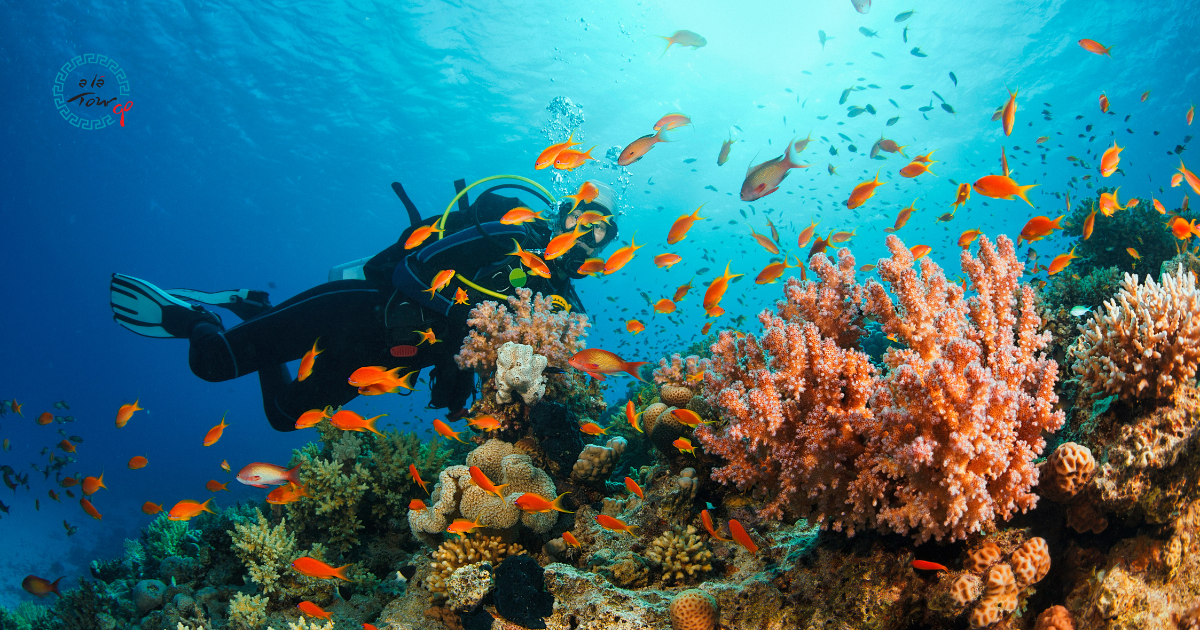
Turkey's southwestern coastline — where the Aegean meets the Mediterranean — is one of the finest underwater environments in the region. Water visibility frequently exceeds 20 to 30 metres in the summer months. The rocky seafloor is varied and interesting. Ancient wrecks from Hellenistic, Roman and Byzantine periods lie at accessible depths. And the combination of warm water, diverse marine life and a well-developed diving infrastructure makes Turkey one of the most welcoming destinations in the Mediterranean for both beginners and experienced divers.
Kaş — The Diving Capital of Turkey
Kaş, a small town on the Antalya coast, is widely considered the best diving destination in Turkey. The water here is exceptionally clear, the seafloor drops steeply and dramatically from the coastline, and the number and variety of dive sites within easy boat distance is unmatched elsewhere on the Turkish coast.
The most significant dive site near Kaş is the Uluburun shipwreck — a 14th-century BC Late Bronze Age trading vessel discovered in 1982, lying at depths of 44 to 61 metres. It is one of the oldest and most significant shipwrecks ever excavated, and though the original finds are now in the Bodrum Museum, the site itself can be dived by advanced certified divers. The cargo recovered — including Canaanite jars, Egyptian gold, Baltic amber and tin ingots — is on permanent display in Bodrum and constitutes one of the most important archaeological collections in Turkey.
At shallower depths, the Kaş area offers excellent wall dives, reef dives and several accessible wrecks suitable for all certification levels. The town has multiple dive centres offering PADI certification courses, guided dives and equipment rental.
Bodrum — Wrecks and Warm Water
Bodrum's diving is less dramatic in topography than Kaş but offers several notable wreck dives. The Orak Island dive site features a Byzantine amphora wreck. The area around the Bodrum Peninsula has clear water and good reef diving, with octopus, moray eel, grouper and various species of sea bream common throughout.
The Bodrum Museum of Underwater Archaeology — housed in the Castle of St Peter — is the finest museum of its kind in Turkey and arguably in the Mediterranean. A visit here, either before or after diving, provides extraordinary context for the underwater heritage of this coastline.
Marmaris and the Gulf of Gökova
The Gulf of Gökova, stretching between Bodrum and Marmaris, has several protected dive sites with good biodiversity. The English Harbour dive site near Marmaris features a deliberately sunk vessel that has become an artificial reef. The Datça Peninsula, at the southern edge of the gulf, has clear water and interesting rocky terrain.
Snorkelling Without Certification
Turkey's clear, shallow coastal waters make snorkelling accessible and rewarding in almost any bay along the Aegean and Mediterranean coast. The best snorkelling is in protected bays away from boat traffic — the coves along the Bozburun Peninsula near Marmaris, the bays of the Kekova area near Kaş, and the sheltered waters around Göcek are all excellent.
The sunken city of Kekova is particularly remarkable for snorkellers — Byzantine ruins visible just below the surface, including walls, staircases and storage chambers, all accessible by snorkel in very shallow water.
Best Time to Go
The diving and snorkelling season runs from April to November. Water temperature peaks at approximately 27-28°C in August and September. Visibility is best in May, June and September when the summer phytoplankton bloom has not yet reduced clarity or has already passed.
Explore the Turkish Mediterranean coast on our Aegean & Mediterranean Tour.
Bereit, die Türkei zu erleben?
Begleiten Sie unsere erfahrenen Reiseleiter auf eine unvergessliche Reise zu den schönsten Zielen der Türkei.
Touren entdecken