 EN
EN
 TR
TR
 DE
DE

Why Is Göbeklitepe Important? 5 Discoveries That Changed Human History
Why Is Göbeklitepe Important? 5 Discoveries That Changed Human History
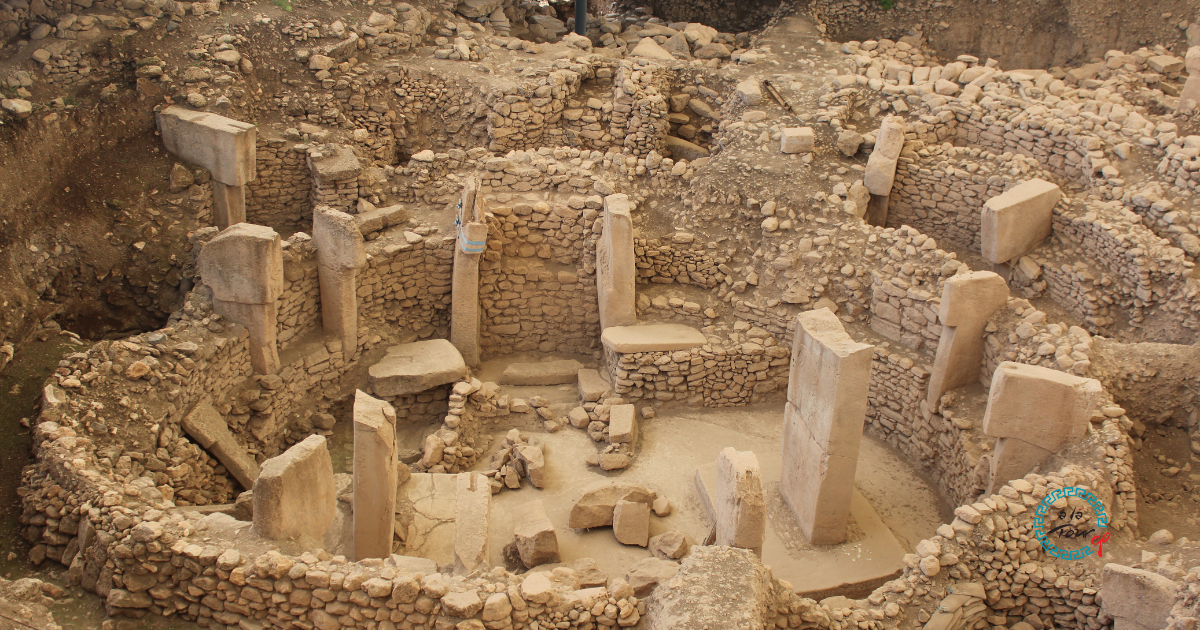
When we say "ground zero of history," we mean it literally. Göbeklitepe sits on a flat plateau 15 km northeast of Şanlıurfa — and the discoveries made here overturned almost everything we thought we knew about human history.
Built around 10,000 BC, Göbeklitepe is the world's oldest known temple. It is 7,500 years older than the Egyptian pyramids and 6,000 years older than Stonehenge.
1 Minute to Understand Göbeklitepe
Located in Southeast Anatolia within today's Turkey, Göbeklitepe was discovered in 1994 by German archaeologist Klaus Schmidt — hidden beneath what had been used as a wheat field for centuries.
- Size: 12-hectare site, only ~5% excavated today
- Dating: Construction periods between 9600–8200 BC
- UNESCO: World Heritage Site since 2018
5 Discoveries That Changed Human History
1. It Was Built Before Agriculture
Before Göbeklitepe, history textbooks said: humans learned farming first, settled down, then built temples and monuments.
Göbeklitepe proved this wrong.
The structures here were built before farming began — by nomadic hunter-gatherers. Humans built a temple first. Then they learned to farm. This reversed every theory about how civilisation began.
2. Organised Society Is Far Older Than We Thought
Positioning 12-tonne T-shaped pillars required hundreds of people working in coordination. Yet at that time, humans were thought to live in small, scattered groups.
Göbeklitepe proved that organised social structures and shared belief systems existed thousands of years earlier than previously believed.
3. Symbolic Thinking Emerged Much Earlier
The pillars are carved with foxes, snakes, cranes, lions, scorpions — not randomly, but within what appears to be a meaningful symbolic system.
This shows that human capacity for symbolic thinking, art and religious belief developed far earlier than previously thought.
👉 See Göbeklitepe with a guide: Southeast Anatolia Tour
4. It Was Deliberately Buried
Around 8200 BC, Göbeklitepe was deliberately filled in with soil — by whom and why remains unknown. This intentional burial is what preserved the structures for millennia.
This mystery remains one of Göbeklitepe's greatest unsolved questions.
5. We've Only Seen 5% of It
The area visited today is only 5% of the total site. Geophysical surveys indicate much larger structures underground. The discoveries that will rewrite history further are still waiting beneath the soil.
How to Visit Göbeklitepe
Location: 15 km from Şanlıurfa city centre — 20 minutes by car
Getting there:
- Minibus services from Şanlıurfa centre
- Taxi return journey ~8-12 euro
- Best option: Guided tour — transport and context both included
Opening hours: 08:00–19:00 (summer), 08:00–17:00 (winter)
Entry: Museum Card valid
Best time to visit: April–May or September–October — summer temperatures exceed 40°C
Why a Guided Tour Is Better
Visiting Göbeklitepe alone, you'll see stone pillars and a roof.
On a guided tour, you'll understand 12,000 years of story, the meaning of every symbol, how history was rewritten — integrated with Şanlıurfa, Halfeti, and Nemrut as a complete experience.
Planning a Göbeklitepe tour? Click the WhatsApp button in the bottom right corner of our website — we reply within 24 hours.
Ready to Experience Türkiye?
Let our expert guides take you on an unforgettable journey across Türkiye's most stunning destinations.
Explore Our Tours

