EN
 TR
 DE

Turkey Photography Guide 2026: 15 Most Photogenic Spots and How to Shoot Them
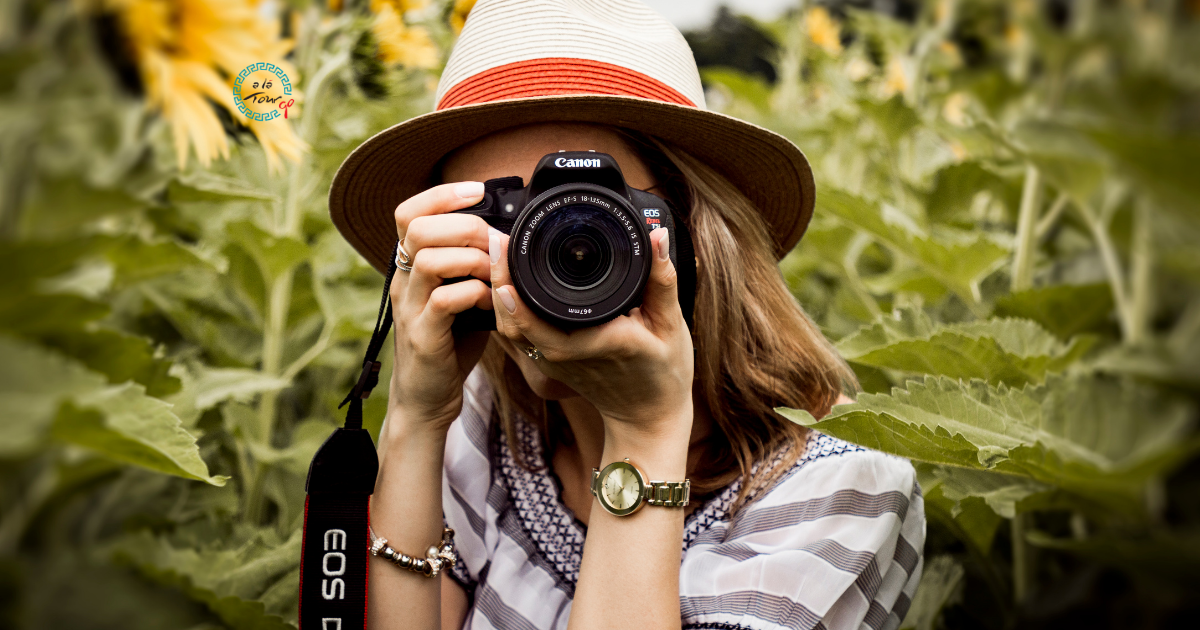
Turkey produces more extraordinary photographs per square kilometre than almost anywhere else on earth. The fairy chimneys of Cappadocia, the white travertine terraces of Pamukkale, the submerged minaret of Halfeti, the honey-coloured rooftops of Mardin above the Mesopotamian plain — these are images that stop scrolls and fill travel feeds. But the difference between a snapshot and a memorable photograph is almost always the same thing: being in the right place at the right time with the right light.
Here are the 15 most photogenic spots in Turkey, with specific practical advice for each.
1. Cappadocia — Göreme Sunrise with Balloons
The shot: Hot air balloons rising over the fairy chimneys at sunrise, with the valley floor still in shadow and the balloon envelopes glowing against the lightening sky.
When: Golden hour begins approximately 30–45 minutes before sunrise. Balloons typically launch 45–60 minutes before sunrise and are in the air for 60–90 minutes.
Where to stand: The ridge above Göreme toward Uçhisar gives the widest view. The top of Uçhisar Castle is the highest vantage point. Rose Valley provides the most intimate foreground.
Practical: You do not need to be on a balloon to photograph them — the view from the valley floor is often better for composition. Arrive at your chosen viewpoint before first light.
Cappadocia is included in our guided tours →
2. Pamukkale — White Terraces at Dusk
The shot: The calcium carbonate terraces with the thermal water running across them, lit by the last light of the day against a blue-pink sky.
When: The best light is 30–60 minutes before sunset. The terraces face west, which means the late afternoon and evening light hits them directly.
Where to stand: The upper terraces (accessible from the top entrance) give the widest angle. The lower viewing platforms allow close-up detail shots of the water running over the mineral formations.
Practical: The water in the terraces is controlled — it doesn't always flow in every section. Walk the full length of the terraces to find the sections with flowing water on your visit day.
3. Halfeti — The Submerged Minaret
The shot: The minaret of the submerged Savaşan mosque rising directly from the water, with the canyon walls behind it and the flooded village visible around its base.
When: Morning light (08:00–10:00) hits the minaret from the east, creating clean illumination. Late afternoon gives warmer colour but more backlight depending on your angle.
Where to stand: From the boat — the minaret is only accessible by water. Ask the boat operator to approach from different angles; the best composition typically has the canyon walls framing the minaret on both sides.
Practical: Take a 3-hour boat tour (not the 90-minute version) to have enough time for multiple angles and for the Rumkale stop.
4. Mardin — The Rooftop at Golden Hour
The shot: The honey-coloured stone rooftops of Mardin's old city cascading down the hillside, with the Mesopotamian plain stretching to Syria in the background.
When: The 30 minutes before and after sunset. The stone glows amber in this light.
Where to stand: The terrace of the Zinciriye Medresesi gives the widest panoramic view. The roof of any guesthouse in the old city also works well — ask your accommodation.
Practical: The best shots require a wide-angle lens (or phone equivalent). Shoot toward the south to include the plain — the sky behind is where the sun sets, so use the plain as your background.
5. Istanbul — Galata Bridge at Blue Hour
The shot: The Galata Bridge in the foreground with the domes and minarets of the old city (Hagia Sophia, Blue Mosque, Süleymaniye) illuminated against the deep blue pre-dawn sky, their reflections in the Golden Horn below.
When: 20–40 minutes before sunrise, when the sky is deepest blue and the city lights are still on. This is the blue hour — too early for orange tones but the artificial light balances perfectly with the sky.
Where to stand: From the Karaköy side of the bridge, looking south toward Sultanahmet. The elevated position of Galata Tower also provides this view from higher up.
Practical: This shot requires being there before 05:30 in summer. An alarm is necessary. It is worth it.
6. Ani Ruins — The Cathedral at Sunrise
The shot: The Cathedral of Ani (989–1001 AD) lit by the first rays of sunrise, the alternating red and black volcanic stone illuminated against the empty Armenian border landscape behind it.
When: First 60 minutes after sunrise. The cathedral faces east, making it front-lit at dawn.
Where to stand: Approach from the main gate and walk directly to the cathedral — the angle from the northeast gives the most dramatic view of the main facade with the Armenian border canyon behind it.
Practical: Ani is 45 km from Kars. To arrive at sunrise, leave Kars by taxi no later than 30 minutes before sunrise.
7. Göbeklitepe — The Archaeological Site
The shot: The T-shaped limestone pillars in context — the excavation tent as scale reference, the surrounding Anatolian plateau extending in every direction, the sense of deep time.
When: Early morning before tour groups arrive (the site opens early). The light is also best in the first two hours — the white limestone pillars are harshly lit at midday.
Where to stand: The raised boardwalk allows shooting down into the excavation circles. Shoot from multiple angles — the pillars from below have a different quality from above.
Practical: The protective tent reduces natural light — a wide aperture or steady hand is needed for interior shots.
8. Cappadocia — Rose Valley at Sunset
The shot: The rose and saffron-coloured tuff formations of Rose Valley illuminated by sunset light, with pigeon houses carved into the rock faces visible in the background.
When: The valley is named for the colour its rock takes on at sunset — come 45 minutes before sunset and stay until the light fades.
Where to stand: The ridge above the Esbelli Evi hotel gives the widest view. Walking into the valley floor puts you among the formations rather than above them — both have different photographic value.
9. Safranbolu — Ottoman Rooftops in Mist
The shot: The traditional Ottoman houses of Safranbolu's Çarşı district under morning mist, the wooden bay windows and red-tiled roofs creating a scene unchanged since the 18th century.
When: Autumn mornings (September–November) when mist sits in the valley. The morning after a cool night is the most likely time for mist. Come before 08:00.
Where to stand: The Hidırlar viewpoint above the old town gives the widest panoramic view across all the rooftops.
10. Nemrut Dağı — Stone Heads at Sunrise
The shot: The colossal stone heads of the Commagene king Antiochus I silhouetted against the rising sun at 2,150 metres altitude, with the early morning cloud sea below the summit.
When: Sunrise only. The western terrace has heads that face east and catch the first light directly.
Where to stand: The eastern terrace at Nemrut gives the most dramatic sunrise shot — heads in foreground, rising sun behind. The western terrace at sunset is the alternative.
Practical: A guided tour is almost essential — the access road to the summit can be complicated and the timing requires precision. Our Southeastern Anatolia Tour includes a sunrise Nemrut visit.
11. Sumela Monastery — Cliff Face in Cloud
The shot: The Sumela Monastery built into the cliff face, with cloud or mist swirling around the valley below and the monastery appearing to float.
When: Cloud is more common in the morning and in cooler months. The valley below Sumela often clouds over while the monastery itself remains visible above.
Where to stand: The viewpoint on the path approaching the monastery gives the widest shot of the full cliff face. Shooting from inside the monastery toward the valley captures the perspective of looking down.
12. Ölüdeniz — The Lagoon from Above
The shot: The turquoise lagoon of Ölüdeniz from altitude — either from the paragliding launch point on Babadağ (1,960m) or from one of the ridge paths above the beach.
When: Midday light is acceptable here because the colour of the water is the subject — it glows most intensely under high sun. Early morning and late afternoon light create warmer tones but the water is less vibrant.
Where to stand: The paragliding launch point at the top of Babadağ gives an aerial perspective. The ridge above Ölüdeniz village (accessible by a 40-minute hike) gives the classic framed view.
13. Ishak Pasha Palace — With Mount Ararat
The shot: Ishak Pasha Palace (18th-century, partially ruined) in the foreground, with the snow-capped peak of Mount Ararat (5,137m) rising behind it — two extraordinary subjects in a single frame.
When: Morning light on a clear day. Ararat is most often clear in early morning before cloud builds. Afternoon clouds regularly obscure the summit by midday.
Where to stand: The approach road to the palace gives the most iconic angle — palace in midground, Ararat filling the background sky. A telephoto lens compresses the distance effectively.
Practical: Ararat's visibility is not guaranteed. Allow at least two morning chances if possible.
14. Ephesus — Library of Celsus at First Light
The shot: The reconstructed two-storey facade of the Library of Celsus before the site opens, in the clean light of early morning, without any tourists in frame.
When: The site opens approximately 08:00. Arrive at opening — the library facade is best in the first 45 minutes before direct sun makes the stonework harsh.
Where to stand: Directly in front, centred — the symmetry of the facade rewards straightforward composition. Moving to either side gives a three-quarter angle that shows the depth of the niches.
Practical: By 09:30–10:00 in summer, the library has dozens of people photographing it simultaneously. The opening 45 minutes is transformative by comparison.
15. Uzungöl — The Highland Lake in Mist
The shot: The glacial lake of Uzungöl at 1,090 metres altitude, with the forested mountains reflected in the still water and morning mist rising from the surface.
When: Calm mornings — the reflection requires the water to be undisturbed by wind. Mist is most likely in cooler months and after cool nights.
Where to stand: The eastern shore of the lake gives the reflection shot with the mosque and village visible. The ridge above the lake gives a wider landscape context.
Visiting these locations on a guided tour?
Our guided tours include visits to many of these locations — and local guides who know the best angles and timing for each site.
Reach us via the WhatsApp button on the right side of our website — we respond within 24 hours.
Ready to Experience Türkiye?
Let our expert guides take you on an unforgettable journey across Türkiye's most stunning destinations.
Explore Our Tours