EN
EN
 TR
TR
 DE
DE

Travelling Turkey in Summer Heat: 10 Practical Tips
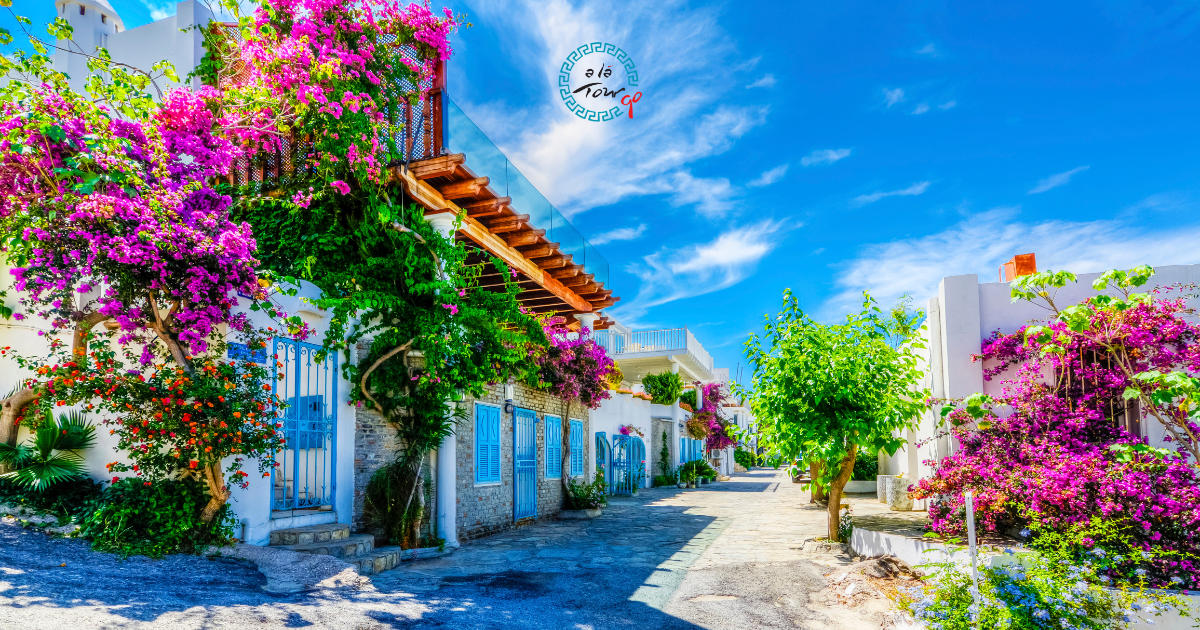
A summer trip to Turkey is one of the most rewarding travel experiences in the Mediterranean — but the heat in July and August is genuine and should be planned around rather than ignored. Temperatures in Antalya, Cappadocia and Southeastern Anatolia regularly exceed 35°C and can reach 40°C. Here are ten practical tips that make a real difference.
1. Start Early, Rest at Midday
This is the single most effective adjustment you can make. The hours between 7am and 11am are the most comfortable for outdoor sightseeing. From 12pm to 3pm, the heat in most Turkish destinations is genuinely oppressive — this is the time for a long lunch, a café, a museum interior or a rest at the hotel. Resume outdoor activities from 4pm onwards, when the light is also better for photography.
Guided tours that are structured around this rhythm — early start, midday break, afternoon and evening activities — are significantly more enjoyable than those that push through the midday heat.
2. Drink More Water Than You Think You Need
Dehydration in Turkish summer heat happens faster than most European visitors expect. The combination of dry air, high temperatures and active sightseeing depletes fluids quickly. Aim for at least 3 litres of water per day, more if you are walking extensively. Water is inexpensive throughout Turkey — carry a refillable bottle and replenish it regularly.
Avoid excessive tea and coffee during the hottest hours — both are dehydrating.
3. Choose Accommodation with Air Conditioning
This sounds obvious but is worth emphasising. In Cappadocia specifically, cave hotels provide natural temperature regulation that can make AC unnecessary. On the Aegean and Mediterranean coasts, air conditioning is standard in any reputable hotel. In Southeastern Anatolia — where summer heat is most extreme — confirm AC before booking, particularly in smaller guesthouses.
4. Wear the Right Clothes
Light, loose-fitting clothing in natural fibres — cotton or linen — manages heat significantly better than synthetics. Long sleeves and a wide-brimmed hat protect against sun exposure during outdoor sightseeing. Light-coloured clothing reflects heat rather than absorbing it.
If you are visiting mosques or religious sites, modest covering is required regardless of the heat — lightweight scarves or wraps that can be added and removed are the practical solution.
5. Time Archaeological Sites Carefully
Turkey's major archaeological sites — Ephesus, Göbeklitepe, Pergamon, Aspendos — are largely unshaded and become extremely hot by midday. Visit them in the first two to three hours after opening. Ephesus opens at 8am in summer; arriving at 8:30am means 90 minutes of reasonable conditions before the heat becomes oppressive and the crowds arrive simultaneously.
6. Use Sunscreen Consistently
Turkey's summer sun is strong. SPF 50 applied properly and reapplied after two hours is the appropriate protection for extended outdoor exposure. Most visitors underestimate the UV index — Turkey's Mediterranean and Aegean coasts have UV indices comparable to North Africa in midsummer.
7. Eat Lightly During the Day
Heavy meals increase body temperature as they are digested. Turkish cuisine naturally supports light daytime eating — mezze, salads, grilled vegetables, yoghurt dishes, fresh fruit — and these are both the most authentic and the most comfortable choices for summer lunches. Save the larger, more substantial meals for the cooler evenings.
8. Take Advantage of the Sea
On the Aegean and Mediterranean coasts, swimming is the most effective midday cooling strategy. The sea in Turkey is warm by July — 26-28°C on the Mediterranean — but still significantly cooler than the air temperature. Even a short swim in the midday hours restores comfort for the afternoon.
9. Plan Evenings for Activity
Turkish evenings in summer are genuinely pleasant — temperatures drop significantly after sunset and the evenings are long. Restaurant terraces, seafront walks, evening markets and coastal boat trips in the late afternoon and evening are all excellent ways to enjoy the country while the heat has passed. Many Turks live their social lives primarily in the evening hours during summer for exactly this reason.
10. Consider a Coastal and Highland Combination
If you are spending more than 10 days in Turkey in summer, combining a coastal destination with a highland destination gives you the best of both. Three or four days on the Aegean or Mediterranean coast, followed by several days in the Kaçkar Mountains or the Cappadocian plateau, provides natural temperature variety and a genuinely rounded experience of the country.
Why Choose AlaTourqo?
As a TÜRSAB #16222-certified tour operator, our summer tours are structured around Turkey's seasonal rhythms — early starts, shaded stops and evening activities — so you see the best of the country without the heat defeating you.
Start planning your summer trip — fill out our Custom Tour Form or message us on WhatsApp. We respond within 24 hours.
Ready to Experience Türkiye?
Let our expert guides take you on an unforgettable journey across Türkiye's most stunning destinations.
Explore Our Tours