EN
EN
 TR
TR
 DE
DE

Şanlıurfa Travel Guide 2026: The City of Prophets and Sacred Pools
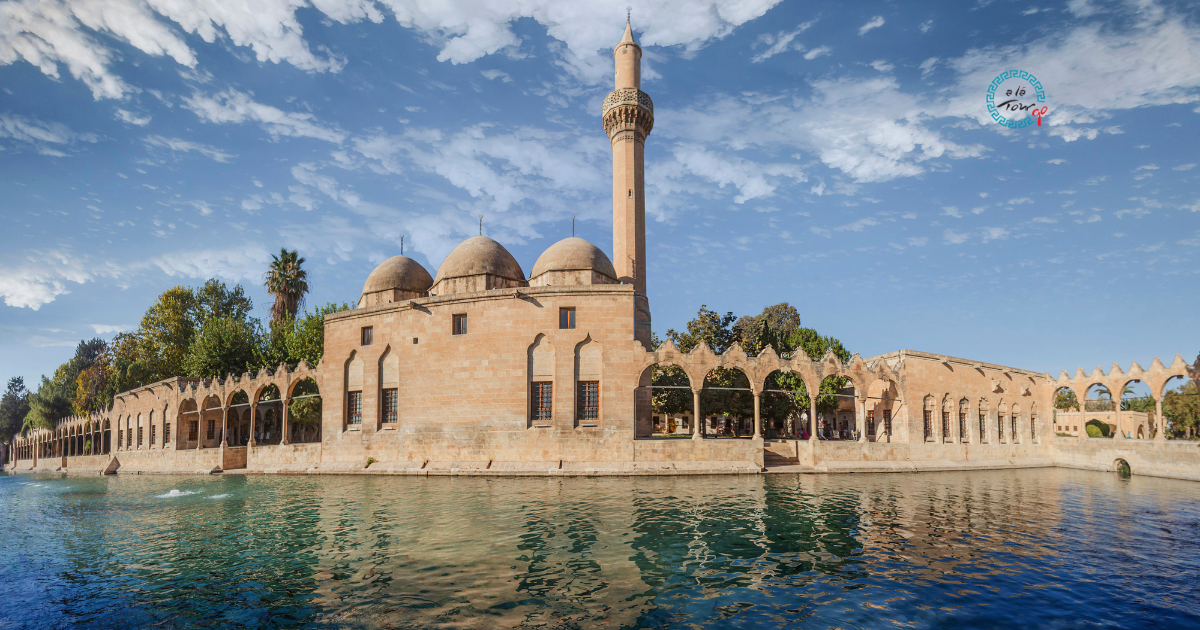
Şanlıurfa stops most visitors the moment they arrive. Not because of a single famous monument but because of the city's atmosphere — ancient, layered, genuinely different from anything in western Turkey or in Europe. The old bazaar smells of spice and roasting meat. The sacred pools of Balıklıgöl are genuinely extraordinary — thousands of carp swimming in turquoise water, fed by pilgrims who have been coming here since before recorded history. The city is simultaneously a pilgrimage site for three Abrahamic religions and the closest major city to Göbeklitepe, the oldest monumental structure on earth.
Two days here is the minimum. Three is better.
What Makes Şanlıurfa Different
Şanlıurfa — known simply as Urfa to its residents — is one of the oldest continuously inhabited cities on earth. Archaeological evidence of settlement here dates back at least 9,000 years. The city claims Abraham (Ibrahim) as its native son, the site of his birth and the location of the legendary test of fire: the Babylonian king Nimrod attempted to burn Abraham alive, and the fire turned into the sacred pools and the firewood into carp — which is why the fish in Balıklıgöl are considered sacred and must never be eaten.
This is the story the city tells about itself. Standing at the edge of the pools, watching the carp move through the clear water, it does not feel like mythology. It feels like something older.
What to See in Şanlıurfa
Balıklıgöl — The Sacred Pools (Allow 1.5 hours)
The sacred pools of Balıklıgöl and Aynzeliha are the heart of Şanlıurfa. Two rectangular pools — one large, one smaller — filled with thousands of carp that pilgrims have been feeding for centuries. The pools are surrounded by Abbasid-era mosques, Ottoman gardens and covered walkways.
What to know:
- Entry to the pool gardens is free
- The carp cannot be touched or caught — they are sacred to the site
- Early morning (before 08:00) and late afternoon are the best times — the light on the water and the atmosphere without tour groups is completely different
- The Rızvaniye Mosque (1716) and the Dergah Mosque directly adjacent to the pools are both worth entering
The cave of Abraham (Mevlid-i Halil) is directly behind the pools — a rock cave identified as the birthplace of Abraham, now a small mosque. The atmosphere inside is atmospheric and genuinely ancient.
Şanlıurfa is a central stop on our Southeastern Anatolia Tour →
The Old Bazaar (Kapalı Çarşı) — Allow 2 hours
Şanlıurfa's covered bazaar is one of the most authentic in Turkey — not designed for tourism but actively functioning as a commercial and social centre for the region. The bazaar is divided into specialised sections: copper merchants, spice sellers, dried fruit vendors, textile traders, gold jewellers.
What to look for:
- The bedesten (covered merchants' hall) at the centre — Ottoman-era, still functioning
- İsot pepper (dried smoked red pepper unique to the Urfa region) — buy it here where it is freshest and cheapest; it will be significantly inferior anywhere else
- The kahvehane (coffee houses) inside the bazaar where local men gather — ask before photographing
Şanlıurfa Castle (Nimrud Kalesi)
The hilltop castle above the old city dates from the Hellenistic period (approximately 2nd century BC) with significant Roman, Byzantine and Islamic additions. Two Corinthian columns remain standing on the hilltop — the "Throne of Nimrod" in local tradition. The view from the castle over the city, the pools below and the Mesopotamian plain stretching toward Syria is exceptional.
Access: 15-minute walk from the pool gardens up a well-marked path. Free entry.
Şanlıurfa Museum — A Required Stop
One of the best regional museums in Turkey, significantly upgraded in recent years. Contains the world's first known statue — the "Urfa Man" (Balıklıgöl Statue), dating to approximately 9,000 BC and found near the city. Also contains exceptional finds from Göbeklitepe, Karahan Tepe and surrounding Neolithic sites.
Allow: 2–2.5 hours minimum. This museum provides essential context for Göbeklitepe — visit it before going to the site, not after.
Hours and entry: Check current times before visiting; typically opens 08:00–17:00 daily.
Göbeklitepe Day Trip (35 km)
Göbeklitepe is 35 kilometres northeast of Şanlıurfa — approximately 40–45 minutes by taxi or private car. This is the primary reason many visitors come to Şanlıurfa, and it deserves a full morning.
The basics:
- T-shaped limestone pillars up to 6 metres tall, carved by hunter-gatherers approximately 12,000 years ago
- Predates Stonehenge by 7,000 years; predates Egypt's pyramids by 7,500 years
- UNESCO World Heritage Site since 2018
- The on-site museum (opened 2023) is excellent — allow 45 minutes there in addition to the site
Practical:
- Round-trip taxi from Şanlıurfa: approximately €15–25; negotiate a waiting time of 2–2.5 hours
- Entry fee: approximately €10
- Best visited in the morning before the heat builds (temperatures can exceed 40°C in summer midday)
- Allow 3 hours total at the site and museum
What to Eat in Şanlıurfa
Şanlıurfa has one of the most distinctive food cultures in Turkey — and is considered by many Turkish food specialists to be the authentic origin of kebab culture.
The essential dishes:
Çiğ köfte (raw köfte) — In Şanlıurfa the traditional version is made with raw meat (unlike the vegan wheat-based version sold elsewhere in Turkey). This is the original, and it is exceptional. Order it from speciality çiğ köfte restaurants — do not confuse with the commercial vegan version.
Urfa kebabı — a flatter, wider kebab than Istanbul's şiş, seasoned with the local isot pepper. The kebab culture here predates the restaurant; traditional kebabs are still cooked by specific ustalar (masters) who have been doing it for generations.
Lahmacun — the Urfa version is thinner and spicier than Istanbul's. Eat it fresh from the oven, rolled with fresh herbs.
Sıra gecesi — not a dish but a cultural experience: a traditional Urfa evening gathering involving music, poetry, fermented grape juice (sıra) and food. Ask your hotel whether any sıra evenings are accessible to visitors during your stay.
Where to Stay
Şanlıurfa has a modest but growing boutique hotel scene in the old city, particularly in restored traditional stone houses near the pools. Staying within walking distance of Balıklıgöl allows you to visit the pools at dawn — which is genuinely worth the effort.
Practical Information
Getting to Şanlıurfa:
- By air: Şanlıurfa GAP Airport (GNY) has connections to Istanbul (Turkish Airlines, Pegasus) — approximately 1.5 hours flight
- By bus: From Gaziantep (2 hours), Diyarbakır (2.5 hours), Mardin (3 hours)
Best time to visit:
- March–May: Best weather — warm but not hot, wildflowers, comfortable for Göbeklitepe
- September–October: Excellent; heat subsiding, harvest season in the surrounding plains
- Avoid June–August: Peak heat — Şanlıurfa regularly records the hottest temperatures in Turkey (40–44°C); outdoor visiting is genuinely difficult
How long to spend: 2 nights minimum (Şanlıurfa + Göbeklitepe). 3 nights if adding Harran (ancient beehive houses, 44km south) or Soğmatar (Sabians' sacred site, 70km east).
Want to visit Şanlıurfa as part of a guided tour?
Our Southeastern Anatolia Tour includes Şanlıurfa, Göbeklitepe, Mardin and Nemrut — with expert guides who know the archaeological and historical context in depth.
Reach us via the WhatsApp button on the right side of our website — we respond within 24 hours.
Ready to Experience Türkiye?
Let our expert guides take you on an unforgettable journey across Türkiye's most stunning destinations.
Explore Our Tours