Highlights: DİYARBAKIR
After meeting your culture guide at Diyarbakır Airport, you board your vehicle and set off towards the hotel. Following dinner, you check in and retire to your rooms for the night.
Highlights: Dağ Kapı · Diyarbakır Walls · Saray Kapı · Amida Mound · Hz. Süleyman Mosque · Atatürk Museum · Hevsel Gardens · Diyarbakır Archaeology Museum · Saint George Church · Hasan Paşa Inn · Diyarbakır Grand Mosque · Cahit Sıtkı Tarancı House · Ahmet Arif House · Sülüklü Han · Four-Legged Minaret · Şeyh Mutahhar Mosque · Surp Giragos Armenian Church · Diyarbakır Culture House · Mardin Gate · Keçi Burcu · Ten-Arch Bridge · Mardin · Mardin Narrow Streets · Mardin Stone Houses · Bademci Street · Abbaras · Mor Behnam (Church of the Forty Martyrs) · Mardin Cumhuriyet Square · Mardin Grand Mosque · Tellallar Bazaar · Kayseriyye Bedesten
After a open-buffet breakfast at our hotel, we set off towards the historic Sur district. The Diyarbakır Walls, constructed over nearly 5,000 years, are listed as a UNESCO World Heritage Site and hold a rich history. Mardin Gate, Urfa Gate and Harput Gate are three of the most significant gates of the city walls. After receiving information about these gates from our guide, we enter through Saray Gate on foot.
Our first visit is to the Hazreti Süleyman Mosque, one of Diyarbakır's most important places of worship, built in 1160. Following this, we enter the İçkale Open-Air Museum, which houses the Diyarbakır Archaeology Museum, displaying significant artefacts from the region's history.
Among the highlights are the Lion Fountain, Atatürk Museum, Arsenal Building, Old Government Building, St. George Church (a fine example of Christian heritage), the Old Prison, Diyarbakır Castle, Amida Mound and Artuklu Palace. We then walk to Hasan Paşa Inn, one of Diyarbakır's historic caravanserais, reflecting the city's cultural fabric.
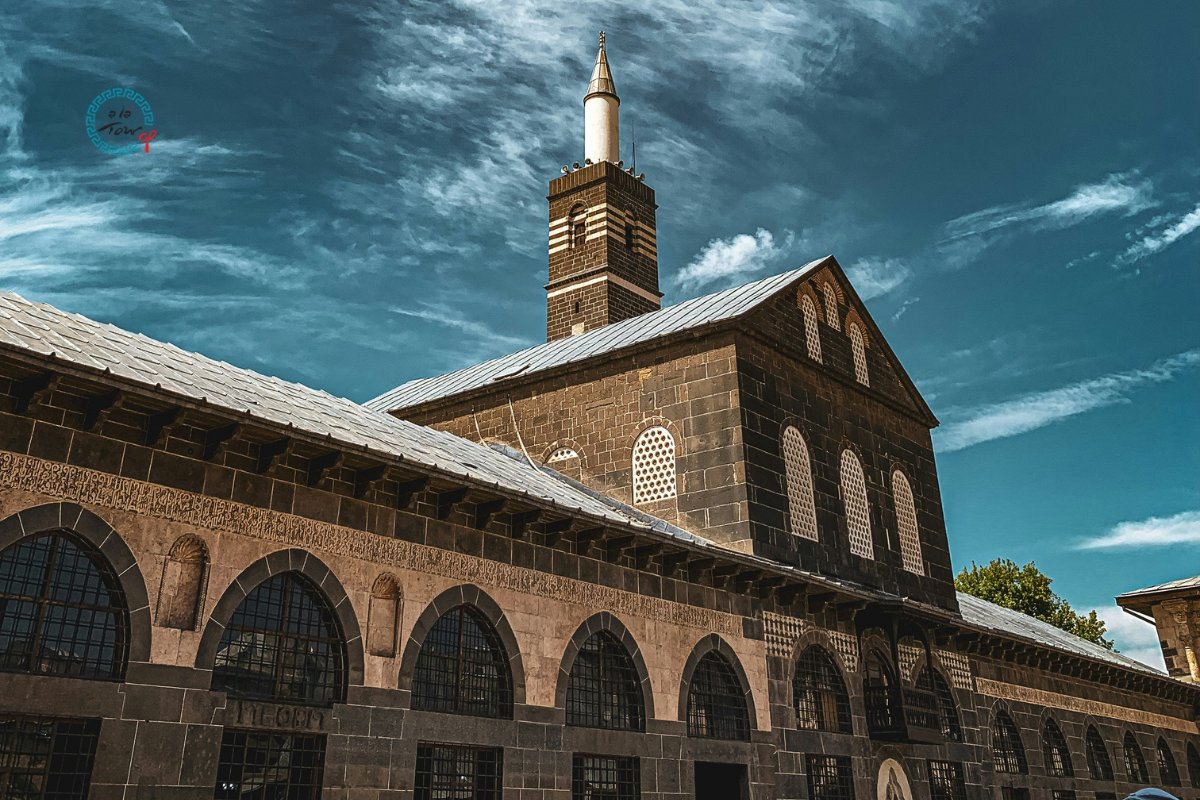
Just opposite stands the Grand Mosque (Ulu Camii), one of Turkey's oldest mosques, built in 1091. A fine example of Seljuk architecture, it features magnificent stonework. After our guide's narration, we visit the childhood home of poet Cahit Sıtkı Tarancı and the nearby birthplace of poet Ahmet Arif, both now serving as museums. We then see Sülüklü Han, historically known as a resting place for merchants. Next, we view the Four-Legged Minaret, one of the city's most iconic structures, and visit Şeyh Mutahhar Mosque. Continuing, we step into Surp Giragos Armenian Church, a beautiful structure reflecting the Armenian community's heritage. We then visit the Diyarbakır Culture House before enjoying free time for shopping.
After free time, we walk towards Mardin Gate. Following our guide's explanation of this historic gate, we visit Keçi Burcu (Goat Tower), one of the most beautiful bastions of the walls, offering panoramic views of the Hevsel Gardens along the Tigris River — a UNESCO World Heritage Site renowned for its rich vegetation. We then head to the Ten-Arch Bridge, built in 1065 over the Tigris River and one of the region's iconic landmarks. Here we join a traditional halay dance to the sound of davul and zurna before departing for Mardin.
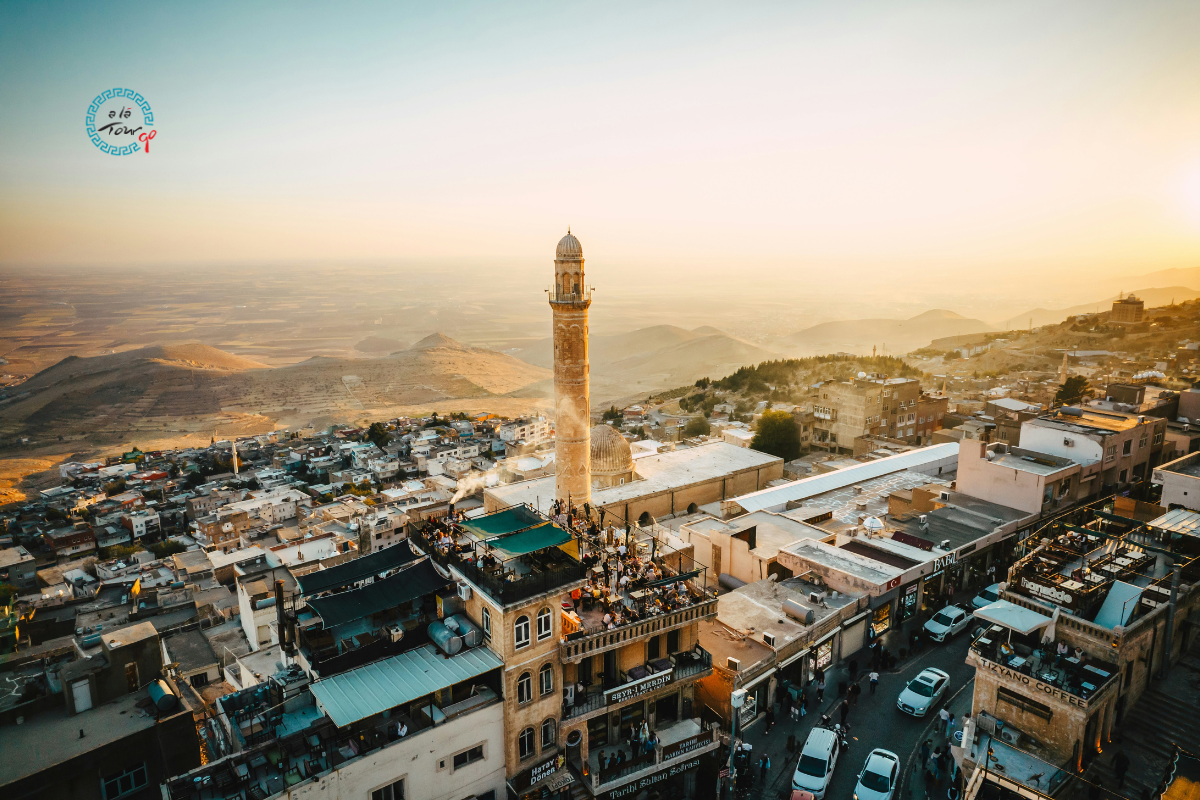
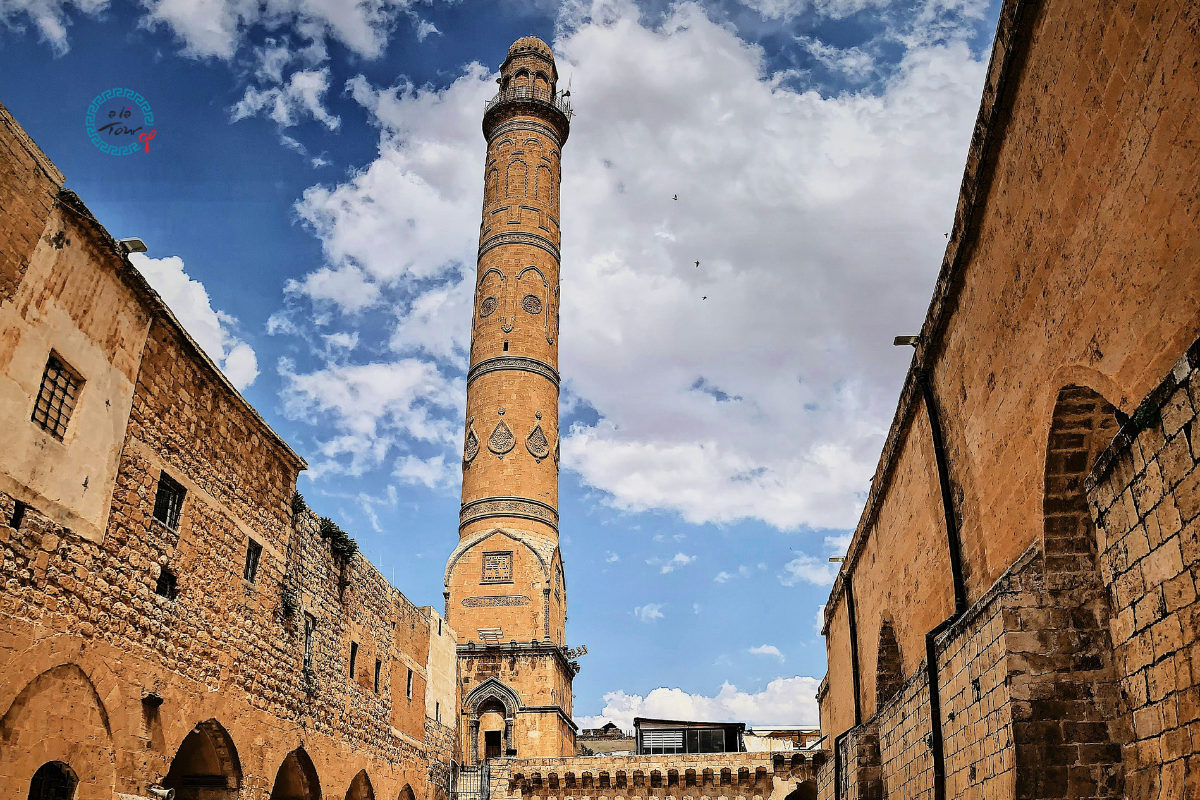
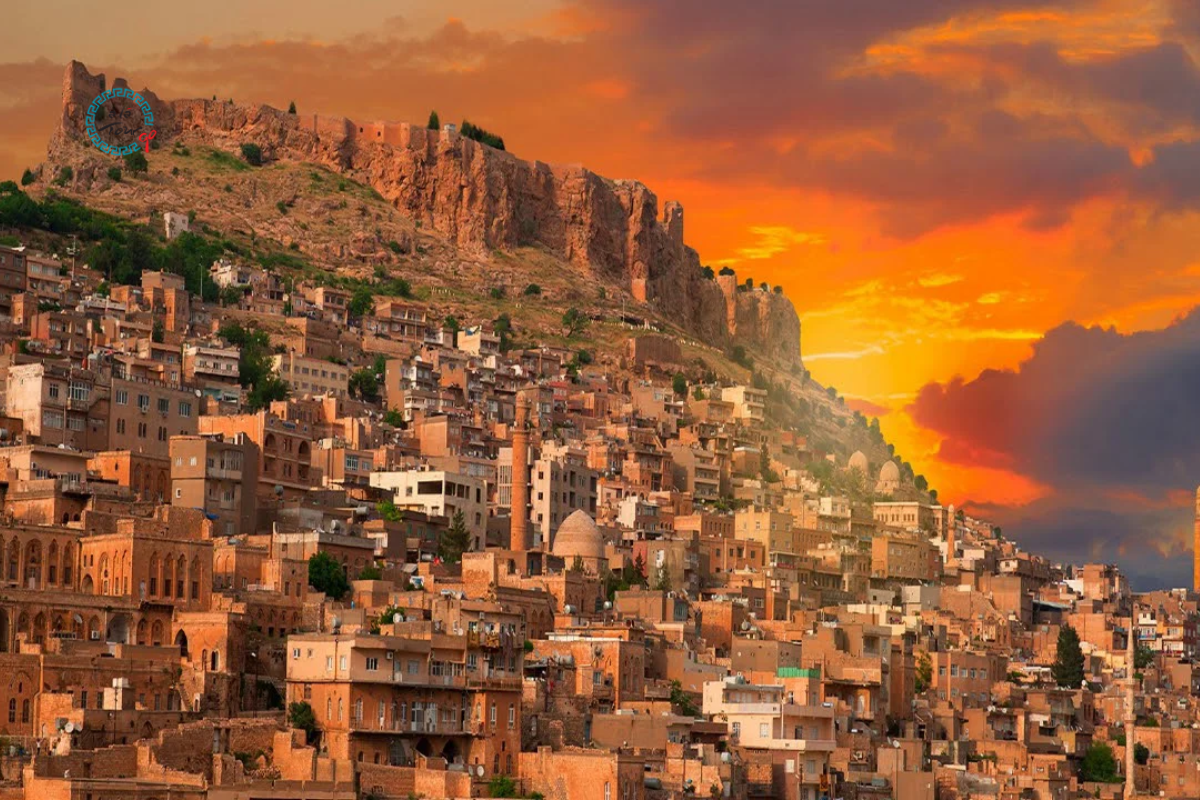
After approximately one and a half hours, we arrive in Mardin and begin exploring its narrow stone-paved streets and museum-like cityscape. The city's historic Mardin Houses, famed for their distinctive stone architecture, line the lanes. Our first stop is Bademci Street, one of Mardin's most beautiful alleys, where traditional stone houses stand on one side while the vast Mesopotamian plain stretches on the other. Walking along, we enjoy a panoramic view of Mor Behnam Church (also known as the Church of the Forty Martyrs), a historically significant church of Christian heritage. After learning about Mardin's iconic abbara arches, we reach Cumhuriyet Square and stroll along the city's main avenue. Descending via stairs to the lower streets, we arrive at the Grand Mosque, one of Mardin's oldest, notable for its magnificent minaret. We then pass through the Tellallar Bazaar and Kayseriyye Bedesten before returning to the main avenue. Free time is given to explore the city independently before we regroup and check in to our hotel in Mardin.
Highlights: Midyat · Mor Gabriel Monastery · Midyat Clock Tower · Devlet Konuk Evi (Sıla Konağı) · Nusaybin · Beyazsu · Syrian Border · Dara Mesopotamian Ruins · Dungeon
After an open-buffet breakfast at our hotel, we set off towards Turkey's oldest and most significant Syriac Orthodox church. On our way, we pass through Midyat for a brief panoramic view, saving our detailed visit there for later.
In the town centre, we see Cumhuriyet Square — an important gathering place for social events, festivals and celebrations, lined with cafés and restaurants. Here stands the Midyat Clock Tower, built in 1889 in neoclassical style, a symbol of the lively square and a timepiece for locals alike. After our guide's introduction, we arrive at the Syriac church.
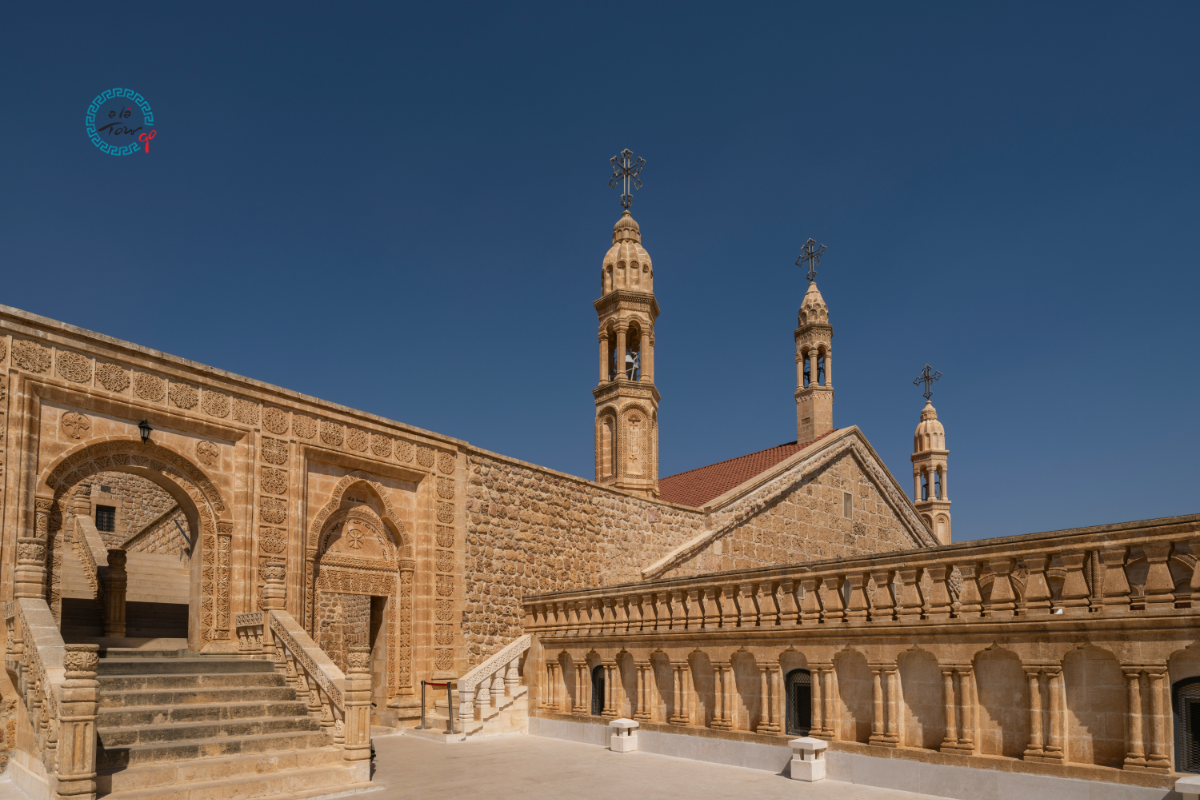
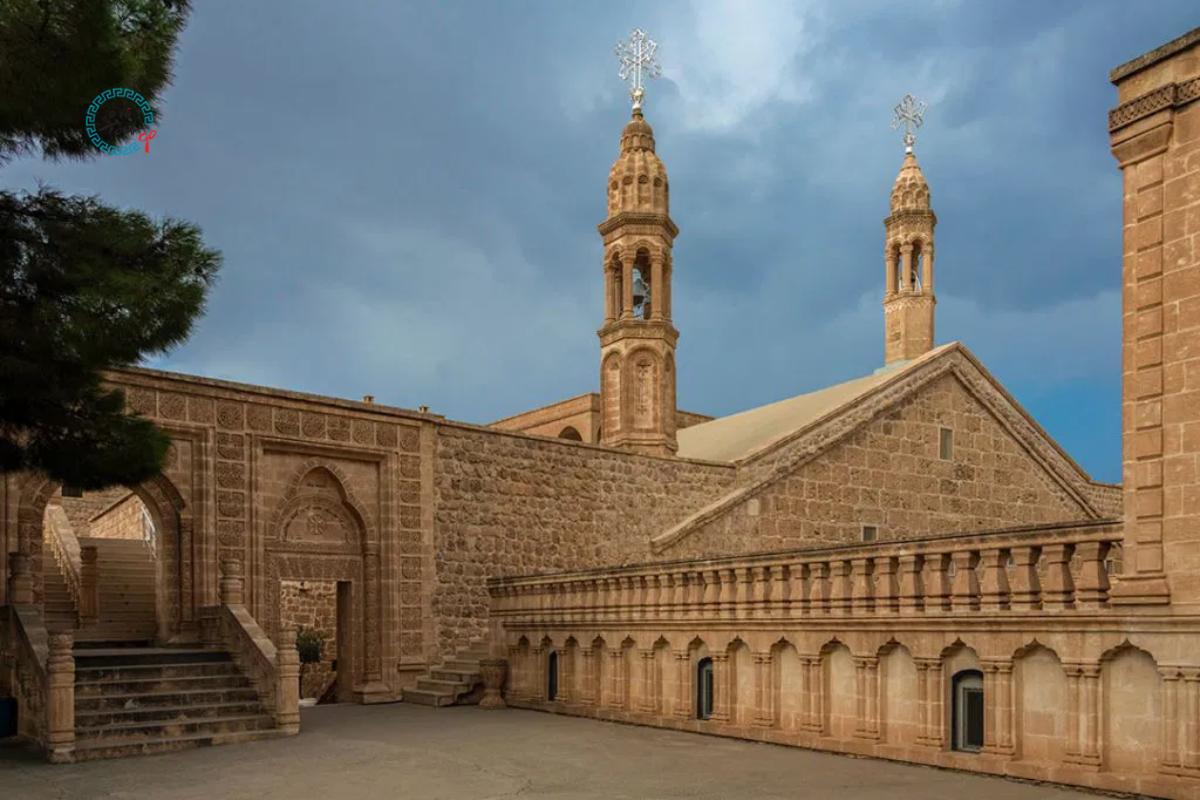
Built in 397 AD, Mor Gabriel Monastery greets us with its Syriac Orthodox guides. The monastery is renowned for its impressive stonework and rich architecture, housing numerous historic works of art and sacred manuscripts. As the world's oldest surviving Syriac Orthodox monastery and the spiritual centre of the Syriac people, our local guide brings its remarkable history to life before we return to Midyat — affectionately known as "little Mardin."
Our first stop in Midyat is the Devlet Konuk Evi (Sıla Konağı), a guesthouse with roots stretching back to the Ottoman era, reflecting traditional Mardin architecture. Having served as a filming location for several Turkish TV series, we step onto its terrace and capture stunning photographs of the distinctive yellow cut-stone architecture and sweeping views before enjoying free time.
Following free time, we head to Beyazsu, a region celebrated for its natural beauty, combining scenic landscapes with nearby historic sites. Its natural springs and tranquil atmosphere make it an ideal spot to rest and recharge — a true paradise of cool, refreshing waters. We enjoy our meal here in this picturesque setting.
After lunch, we depart for Dara, often referred to as the Ephesus of Mesopotamia. En route, we pass through the Nusaybin area and catch a glimpse of the Syrian border — a strategically significant frontier both historically and geographically. As we travel, we enjoy the scenery unfolding beyond the border, arriving at Dara after approximately 40 minutes.
Located on the Silk Road, this ancient city holds the remains of the world's first water dam. We learn how the Achaemenids once worshipped their god Ahura Mazda here and built fire towers in his honour. We explore the ruins of a fortress (Daras Anastasiupolis), a church, a bridge, water channels, cisterns, a bazaar, rock-cut tombs and residential buildings.
Once a major settlement, these ruins captivate visitors with their remarkable dungeons, churches and cisterns — a treasure trove for history enthusiasts. We have the rare opportunity to visit one of the dungeons believed to have held prisoners throughout history, offering a fascinating architectural and historical experience.
During free time set by our guide, we engage warmly with the local community, experiencing true Mesopotamian hospitality firsthand. Their generous spirit and the kindness shown remind us once again how deeply rooted tolerance and warmth are in this region.
Leaving a piece of our hearts behind, we board our vehicle and make our way back to our hotel in Mardin.
Highlights: Kasimiye Madrasa · Şanlıurfa · Kızılkoyun Necropolis · Balıklıgöl · Rızvaniye Mosque · Gölbaşı Park · Ayn Zeliha Lake · Şanlıurfa Castle · Halil-ür Rahman Mosque · Cave of Prophet Abraham · Gümrük Han · Sıra Gecesi
After an open-buffet breakfast at our hotel, we board our vehicle and head to Kasimiye Madrasa, a fine example of Islamic architecture that served as a centre of learning and scholarship. After listening to our guide's commentary, we enjoy free time for photography before continuing by bus towards Şanlıurfa. After a pleasant journey, we pass through Kızıltepe and Viranşehir, making a short stop before pressing on to Şanlıurfa.
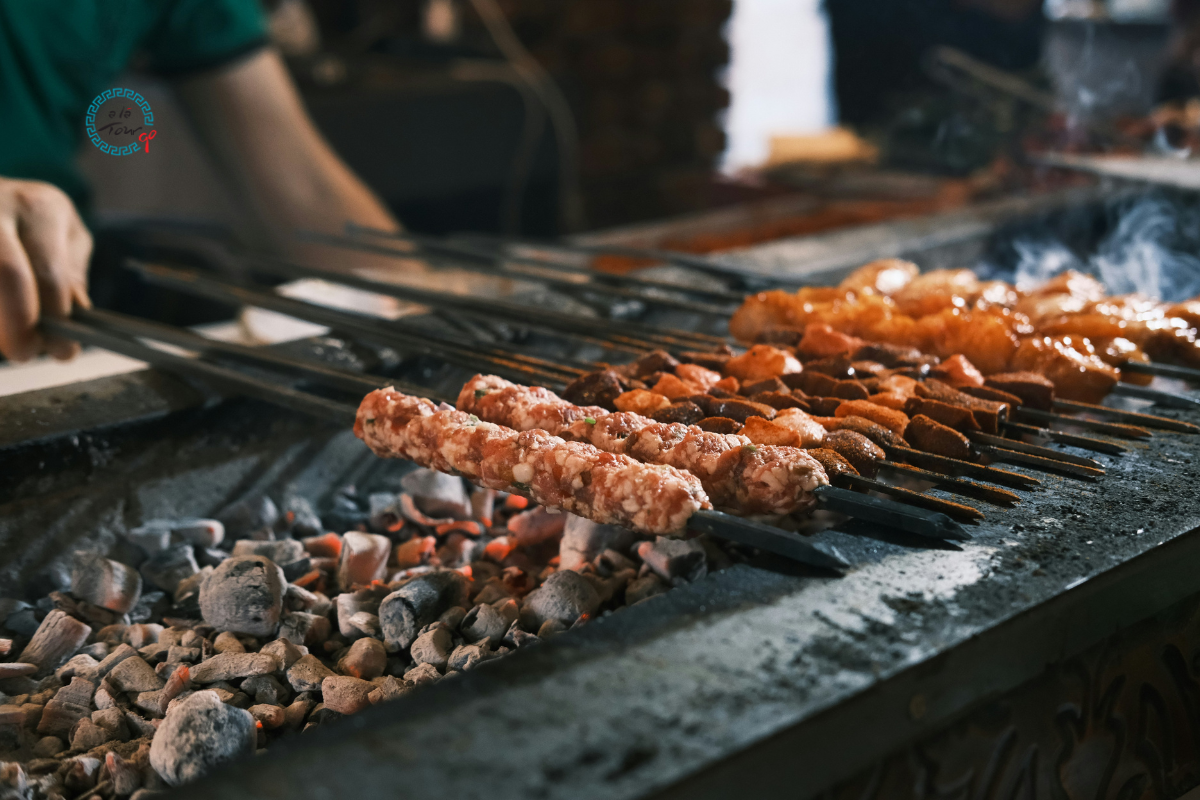
Upon arrival, we begin with a true local experience — no visit to Şanlıurfa is complete without tasting its famous grilled liver. After this delicious meal, we start exploring the city. Our first stop is the Kızılkoyun Necropolis, a site filled with ancient burial structures dating back to the Roman and Byzantine periods, as our guide explains.
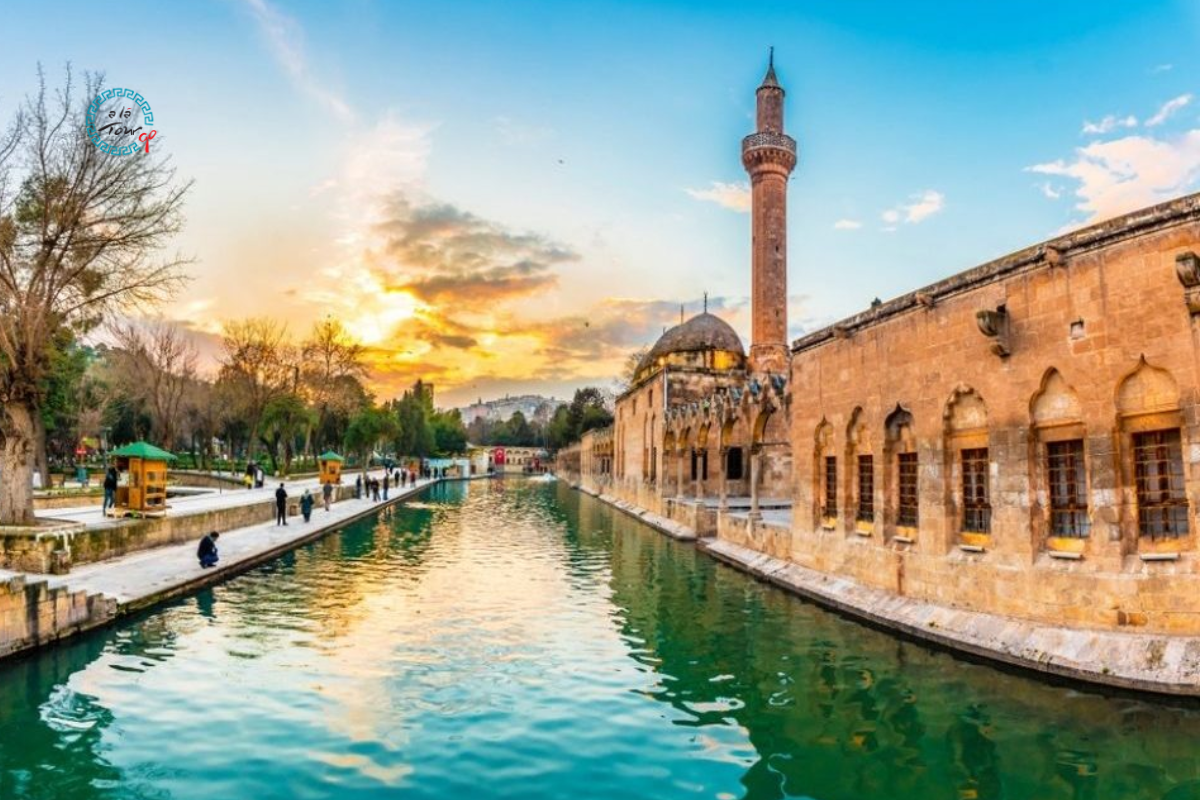
We then walk approximately 10 minutes to Balıklıgöl — the sacred pool said to be the spot where the Prophet Abraham was thrown into fire. The pool is home to sacred carp fish considered holy by locals. Right beside it stands Rızvaniye Mosque, a striking structure bearing traces of both Seljuk and Ottoman architecture, with a spacious courtyard and impressive façade. After learning about the mosque, we move on to Ayn Zeliha Lake, a natural pool believed to have formed from the tears shed for the Prophet Abraham's love. Relaxation areas surround the lake. We also receive information about Şanlıurfa Castle, one of the best vantage points over the city, with guests free to climb up during leisure time.
We enter the courtyard of Halil-ür Rahman Mosque, built in the 13th century and notable for its fine architecture. After a brief explanation from our guide, guests may spend free time here as they wish. We then visit the Cave of Prophet Abraham, believed to be his birthplace, before making our way through the bazaars towards Gümrük Han. Our guide points out notable landmarks along the way. Gümrük Han was once a key hub of trade as a historic caravanserai. During free time here, guests may browse the shops or enjoy a coffee in this iconic setting.
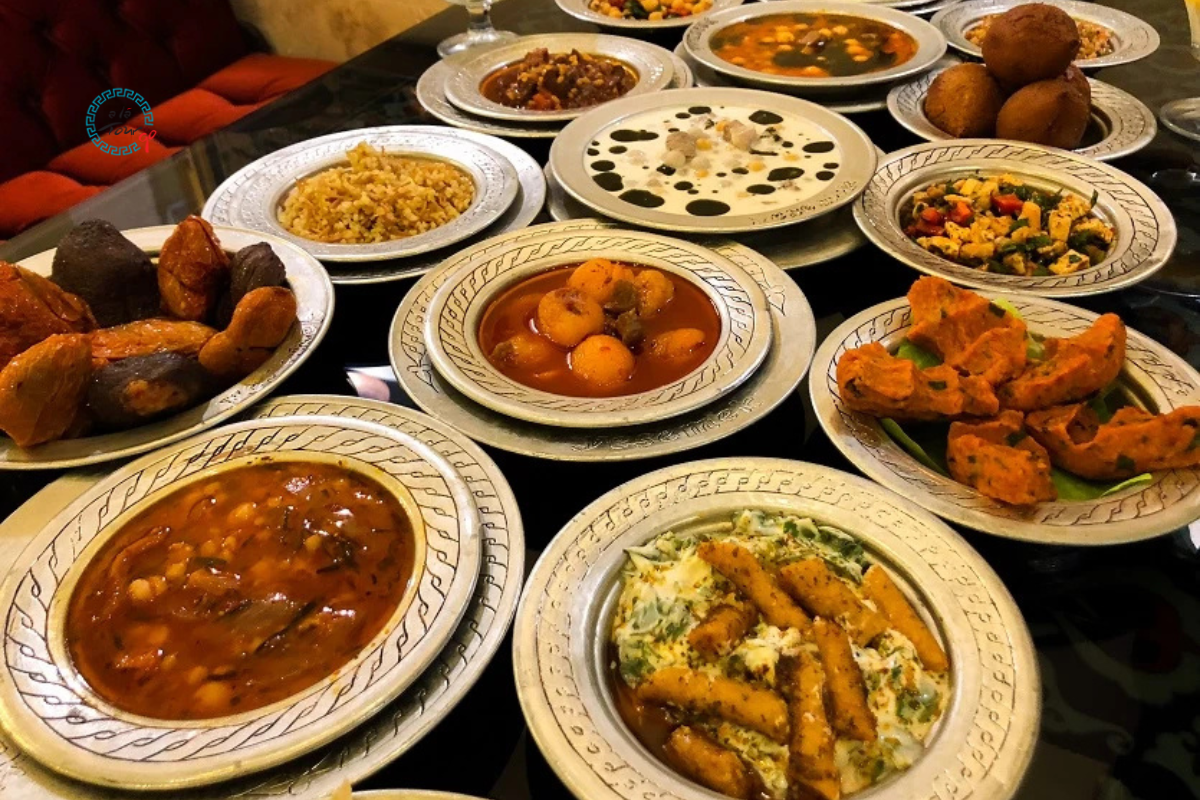
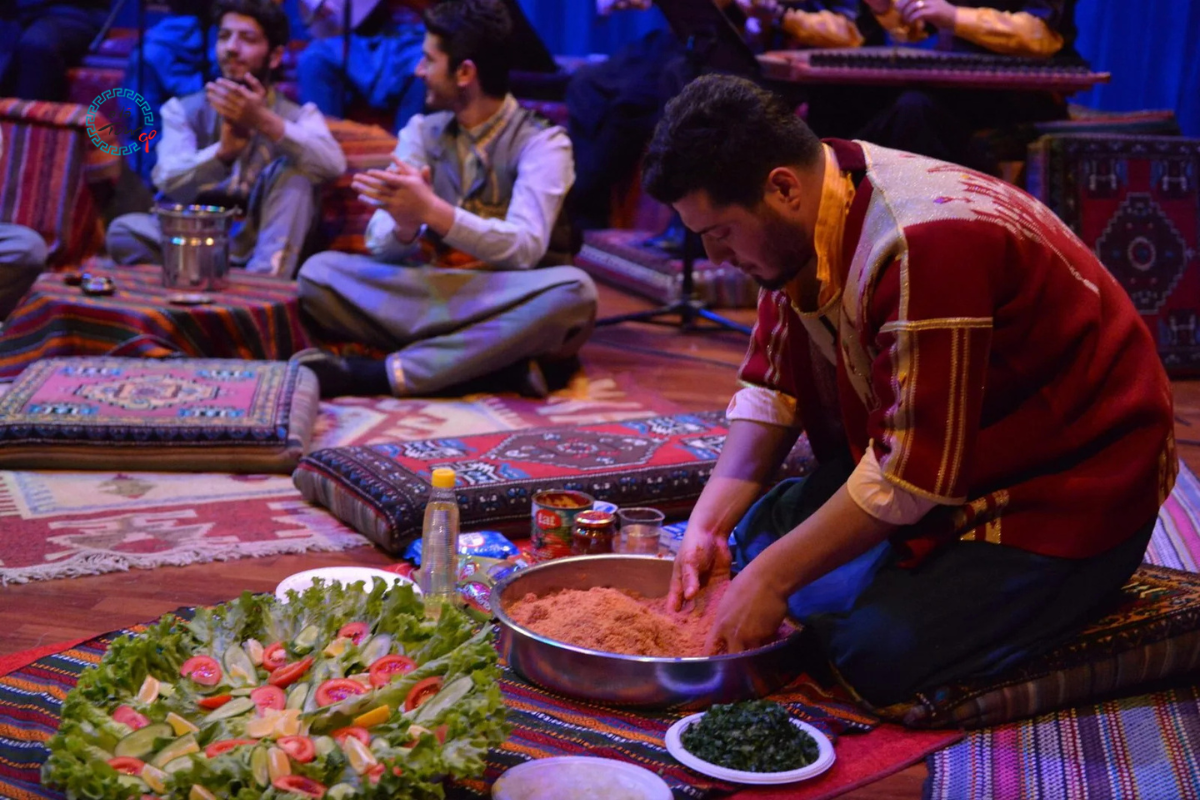
After regrouping, we head to our hotel and check in. At the time announced by your guide, we gather for a Sıra Gecesi dinner — a cherished part of Urfa's cultural tradition. Sıra Gecesi is a lively evening of live music, dance and conversation accompanied by local dishes, a celebration of Şanlıurfa's social culture at its finest. We return to the hotel after this unforgettable evening, which continues until 23:00.
Highlights: Göbeklitepe · Harran · Harran Madrasa · Historic Dome House · Shrine of Prophet Job · Halfeti · Boat Tour · Rumkale · Savaşan Village · Gaziantep
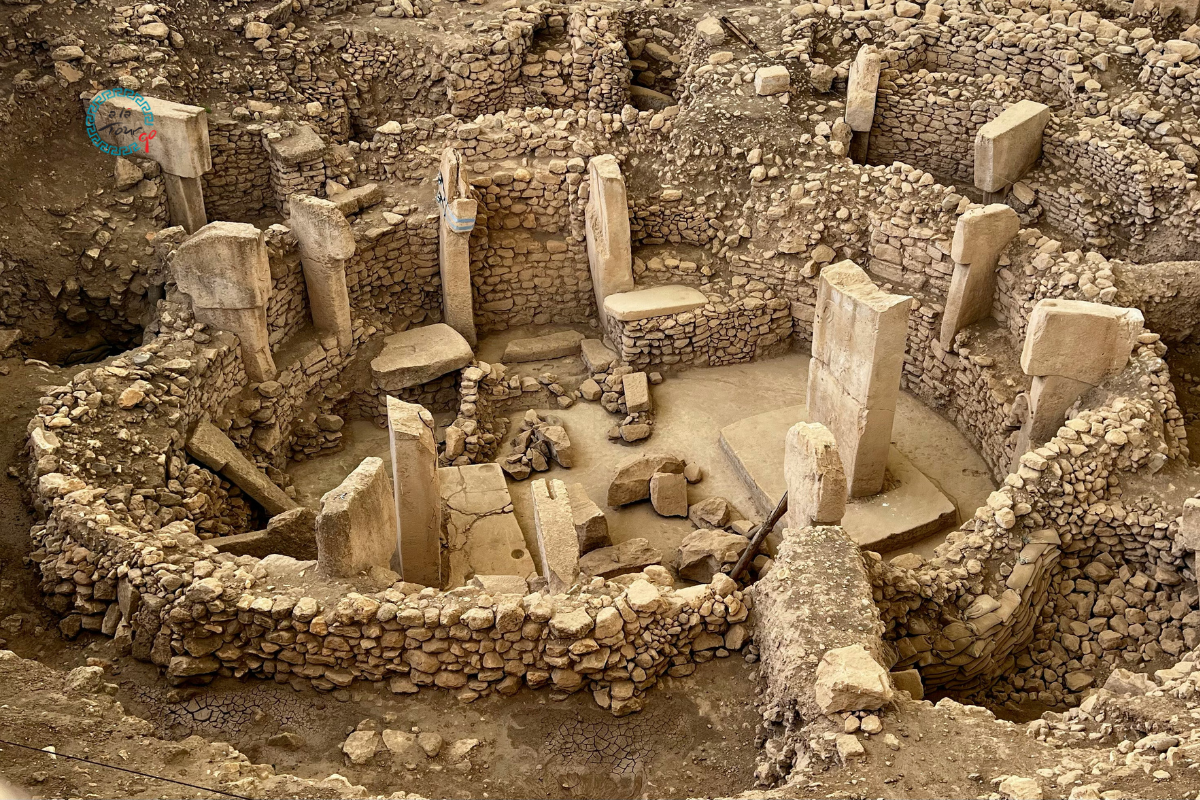
After an open-buffet breakfast at our hotel, we board our vehicle and head to Göbeklitepe — ground zero of history. Built approximately 12,000 years ago and recognised as the world's first temple, Göbeklitepe challenges everything we thought we knew about human history. We examine the T-shaped pillars adorned with stylised human figures and the surrounding areas where animal reliefs are carved into the rock.
After exploring the Göbeklitepe site, we set off for Harran — a city first mentioned in the Kültepe, Mari and Ebla tablets dating back 4,000 years. Our attention is first drawn to Harran Mound, where we learn that settlement in the area dates as far back as the 5th millennium BC. Following a short walk around the base of the mound, we visit the Cennet Mosque (Camii el Firdevs), commissioned by Umayyad Caliph Marwan, and the ruins of the first Islamic madrasa established in Anatolia (Harran University), located within the same courtyard. We then visit one of Harran's iconic cone-domed houses, a defining feature of the town's unique architectural identity.
After our visit, we return towards Şanlıurfa and stop at the Shrine of the Prophet Job (Hz. Eyüp Peygamber Sabır Makamı). We offer our prayers and drink from the healing spring before enjoying lunch at our restaurant in Şanlıurfa. We then head towards Halfeti, passing the Birecik Dam — the fourth dam stretching from north to south along the Euphrates River — with part of Halfeti now submerged beneath its waters.
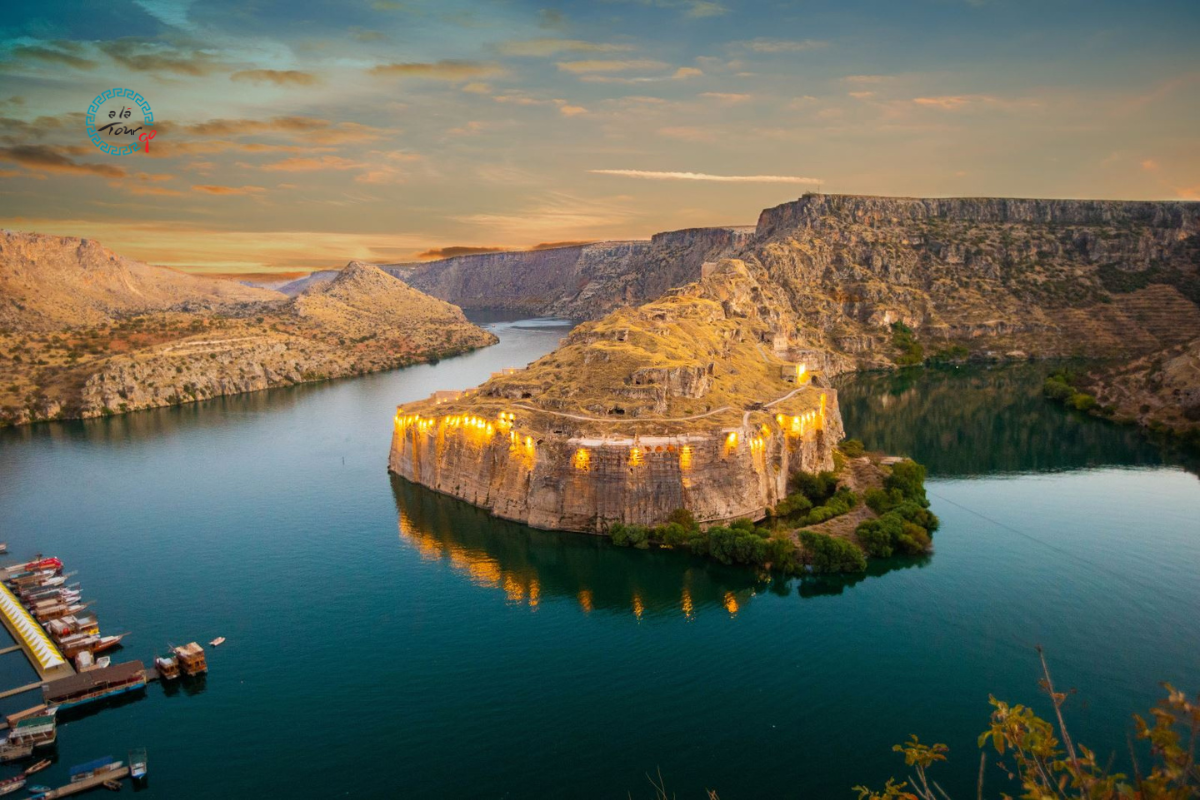
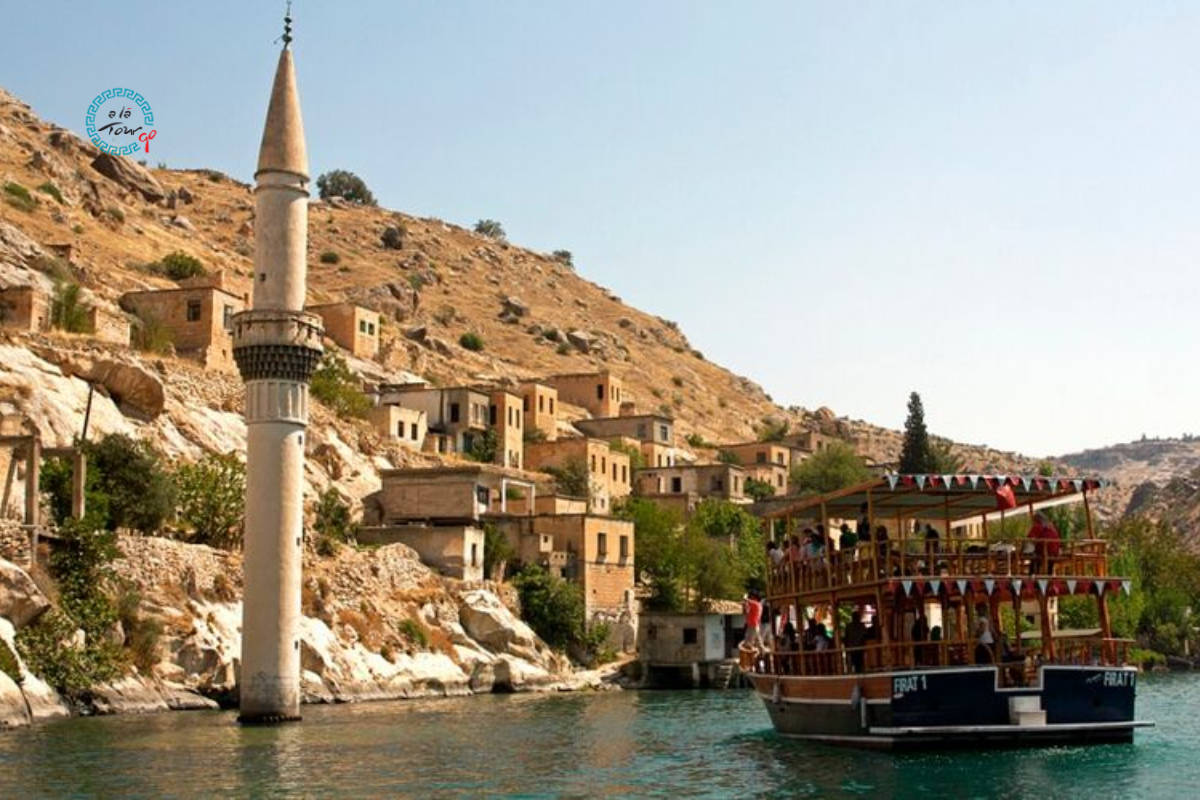
Upon arriving at Halfeti, we board our private boat and begin a scenic cruise on the Birecik Reservoir, surrounded by breathtaking views. During the tour, we are first struck by the imposing Rumkale fortress, built at the confluence of the Euphrates River and Merziman Stream. Beyond the fortress, we see the cave dwellings once used as homes and the partially submerged village of Savaşan, where only the minaret of the sunken mosque still rises above the waterline — a hauntingly beautiful sight to photograph.
Following our boat tour, we set off for Gaziantep, where we check in to our hotel for the night.
Highlights:Highlights: Zeugma Mosaic Museum · Bey Neighbourhood · Museum of Games and Toys · Atatürk Museum · Panorama 25 December Gaziantep Museum · Gaziantep Castle · Culture Trail · Hammam Museum · Emine Göğüş Culinary Museum · Zincirli Bedesten · Coppersmiths' Street · Almacı Pazarı · Tahmis Coffee House
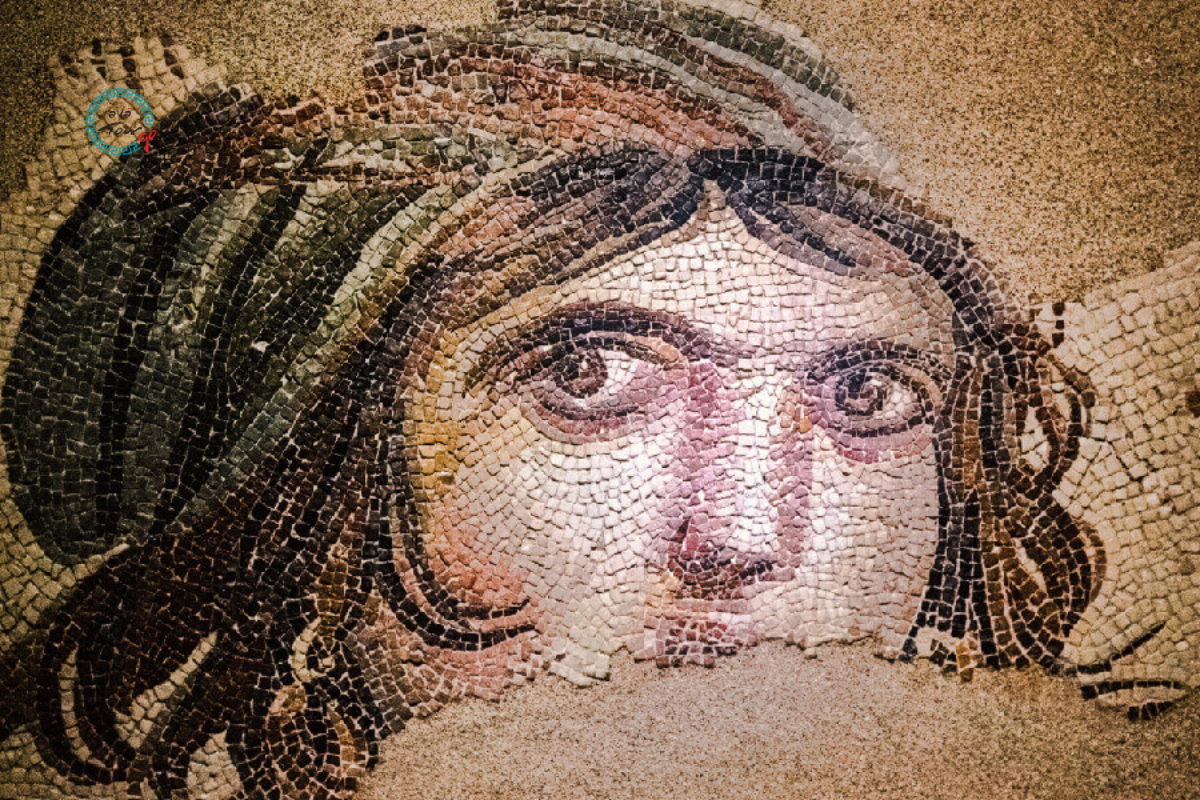
After an open-buffet breakfast at our hotel, we begin exploring Gaziantep — the most socioeconomically developed province of Southeastern Anatolia. Our first stop is the Mosaic Museum, home to the magnificent mosaics excavated from Zeugma, a city named "place of crossing" by Alexander the Great. We admire the world-famous Gypsy Girl mosaic and other mosaics drawn from Greek mythology, guided by our expert commentary, before making our way to Bey Neighbourhood.
One of Gaziantep's oldest districts, Bey Neighbourhood has been home to many civilisations throughout history. We learn that Armenians formed the largest population here in the 18th century, playing an active role in the city's educational and economic life, and that their elegant mansions are still talked about today. St. Mary's Church (now Kurtuluş Mosque), the Old Church, Kendirli Church, and the Çınarlı, Eyüboğlu and Bey mosques all stand as testament to the peaceful coexistence of Muslims and Armenians as neighbours until the early 20th century. Our guide notes that nearly every household in the neighbourhood once had a piano or organ, with music filling the streets — a reflection of the residents' quality of life and cultural richness. Today, the neighbourhood has been almost entirely stripped of its Armenian heritage, as the Armenian population has dwindled to almost nothing.
We visit the Museum of Games and Toys, established by Gaziantep Metropolitan Municipality and one of only four toy museums in Turkey. Housed in a restored three-storey building in historic Bey Neighbourhood — with two additional cave floors beneath — the museum displays nearly 600 handmade toys produced between 1700 and 1990, including cartoon characters, dollhouses and much more, evoking cherished childhood memories.
Next, we visit the Atatürk Museum, where a recreation of the room Atatürk stayed in and his personal belongings are on display. A second section overlooking the shared courtyard houses the Atatürk Research Library and an Oral History Research Room dedicated to the Defence of Antep, featuring audiovisual presentations about its heroes and everyday objects used by the public of that era.
We then move on to the Panorama 25 Aralık Gaziantep Museum, which features paintings depicting events from the Defence of Antep by artist Aleksander Samsonov and his team, alongside personal belongings of the defence's heroes.
After lunch at a local restaurant — a feast of Gaziantep's finest flavours — we continue along the city's cultural trail, a specially designed route through the city centre offering glimpses of numerous museums and shopping spots. Our first stop is the Hammam Museum, a stunning example of Ottoman bath architecture dating to 1577, now converted into a museum preserving hammam culture through displays of bathing implements, traditions and wax figures.
Right next door, we visit the Emine Göğüş Culinary Museum — Turkey's first kitchen museum — dedicated to showcasing the culinary cultures of civilisations that have shaped Gaziantep's legendary cuisine, with sections displaying traditional local dishes and cooking traditions.
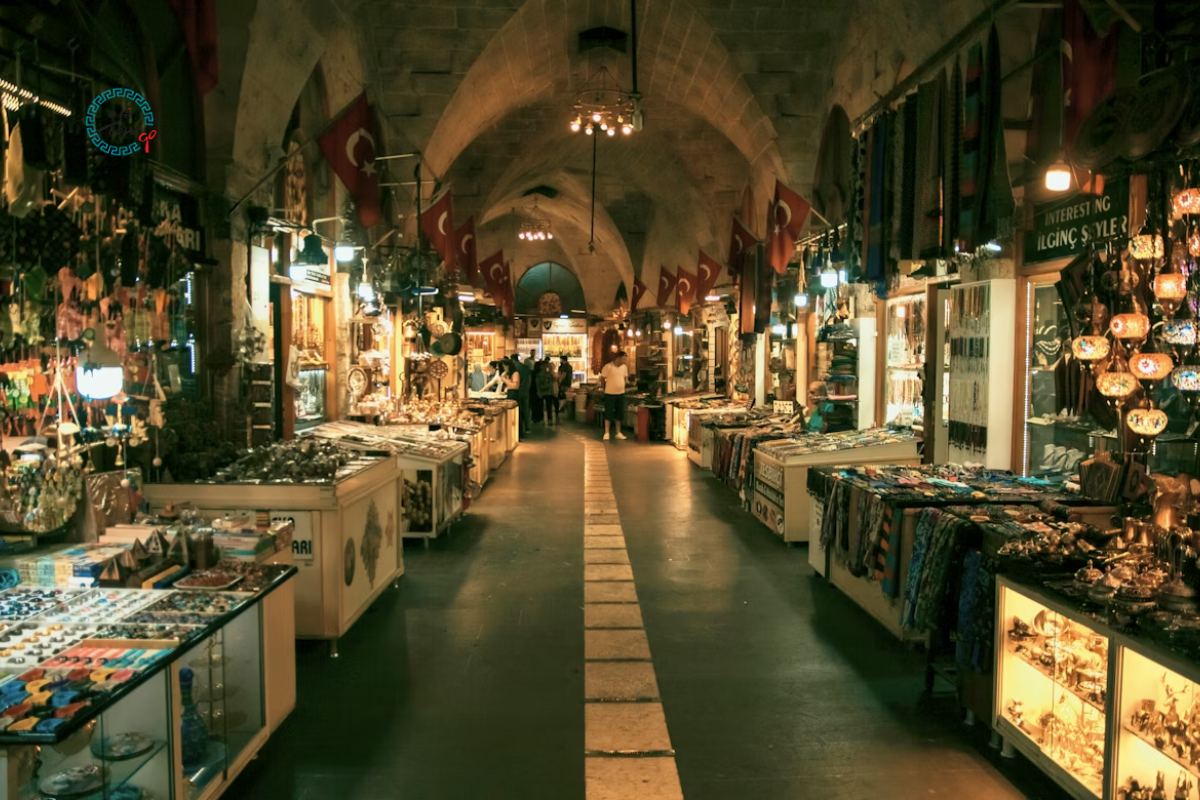
We continue on to Zincirli Bedesten, a historic covered bazaar built in 1718 by Darendeli Hüseyin Paşa, once the beating heart of trade in the city. We then stroll through the Coppersmiths' Bazaar, a vibrant centre of traditional craftsmanship where shops transport visitors back in time with handmade copper works and local artefacts.
Our next stop is Almacı Pazarı, a market famed for its rich culinary culture, bustling with restaurants and street vendors serving a variety of local delicacies. Free time is given here for shopping and tasting.
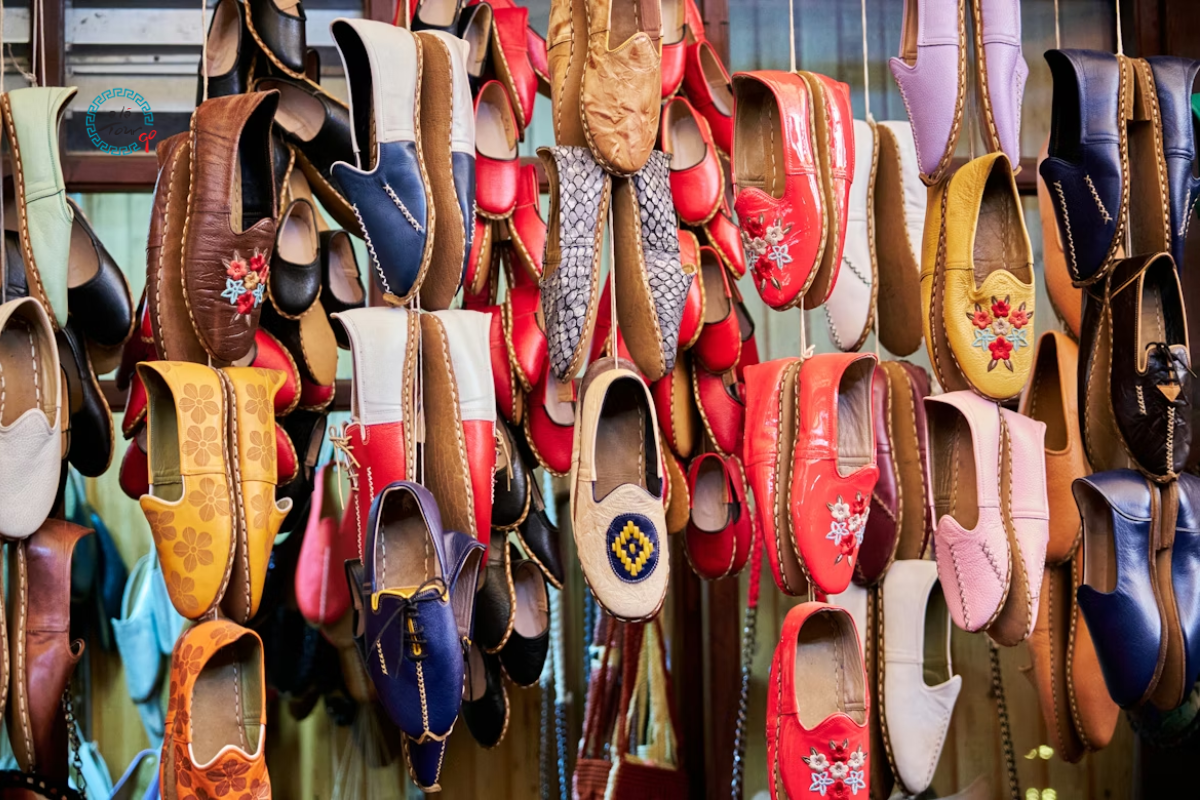
We conclude our day at Tahmis Kahvesi, a historic coffeehouse established in 1635 and one of Gaziantep's most beloved landmarks. After a well-deserved break, guests have free time to browse the bazaars for traditional yemeni shoes, local spices and handcrafted copper pieces from the Coppersmiths' Bazaar before we return to our hotel in Gaziantep for the night.
Highlights: Zeugma Mosaic Museum · Bey Neighbourhood · Museum of Games and Toys · Atatürk Museum · Panorama 25 December Gaziantep Museum · Gaziantep Castle · Culture Trail · Hammam Museum · Emine Göğüş Culinary Museum · Zincirli Bedesten · Coppersmiths' Street · Almacı Pazarı · Tahmis Coffee House
After an open-buffet breakfast at our hotel, we set off towards Adıyaman and arrive in Kahta. Here, we give our guests free time for Friday prayers. Following this, we board our minibuses and head through Kahta district into the boundaries of Nemrut Dağı National Park to explore the most significant surviving monuments of the Commagene Kingdom.
Our first stop is Karakuş Tumulus — a royal burial mound built for the women of the Commagene dynasty, named "Black Bird" by locals after the eagle sculpture atop its column. We then visit Cendere Bridge, constructed during the reign of Roman Emperor Septimius Severus over the river then known as Chabinas, today called Cendere. Having stood for approximately 1,900 years, this remarkable bridge prompts our guide to share the fascinating story of Septimius Severus and his family. We continue to Arsameia, the summer capital of the Commagene Kings, before ascending to Mount Nemrut.
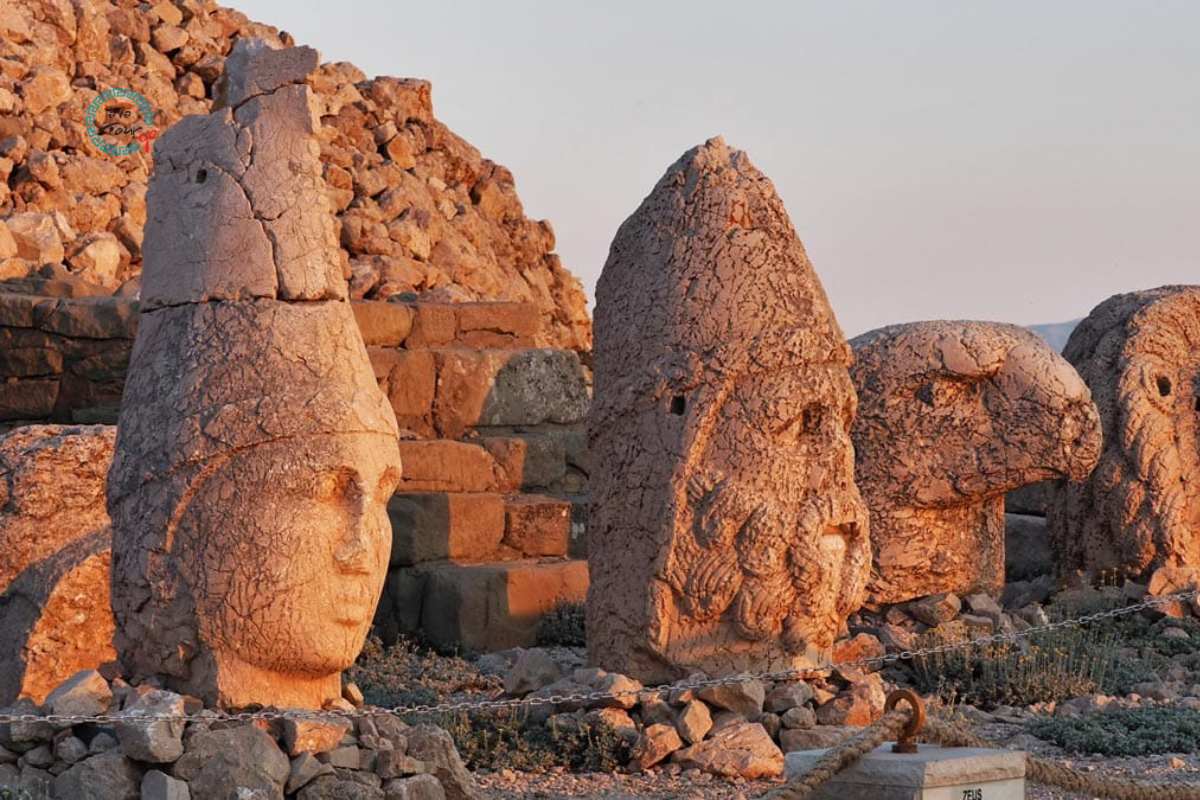
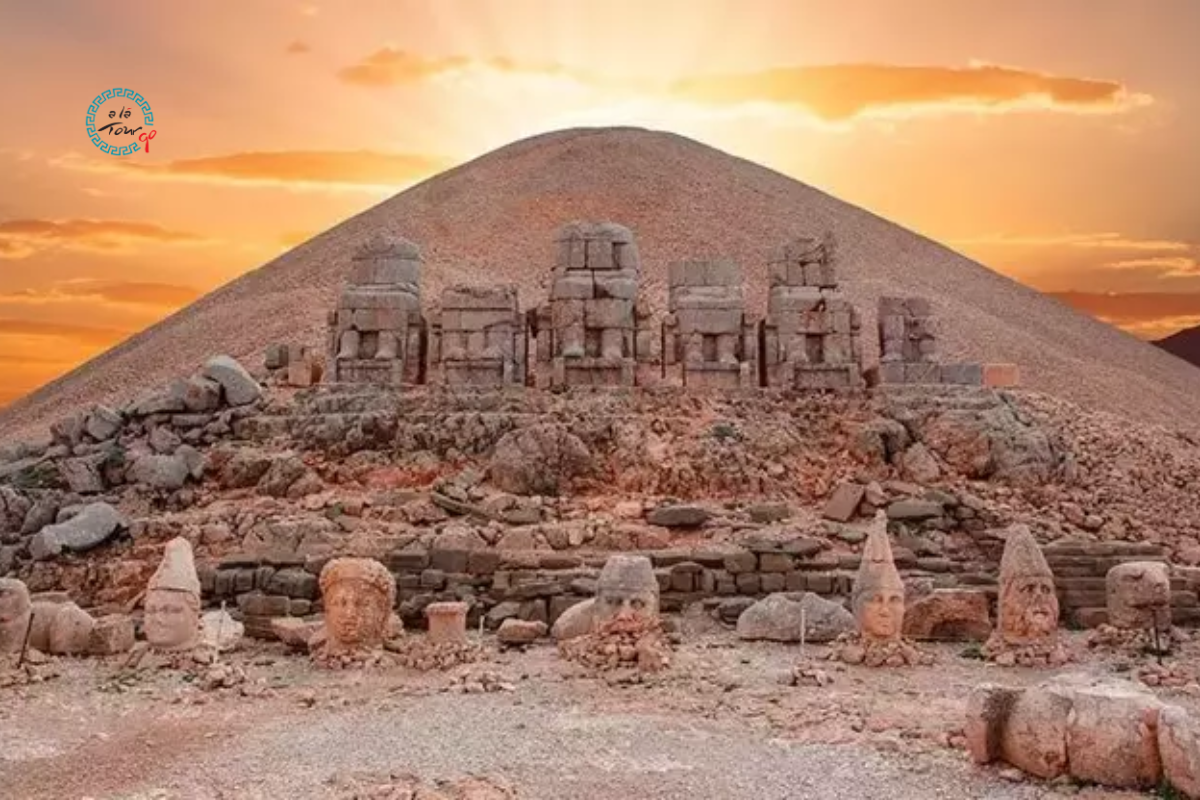
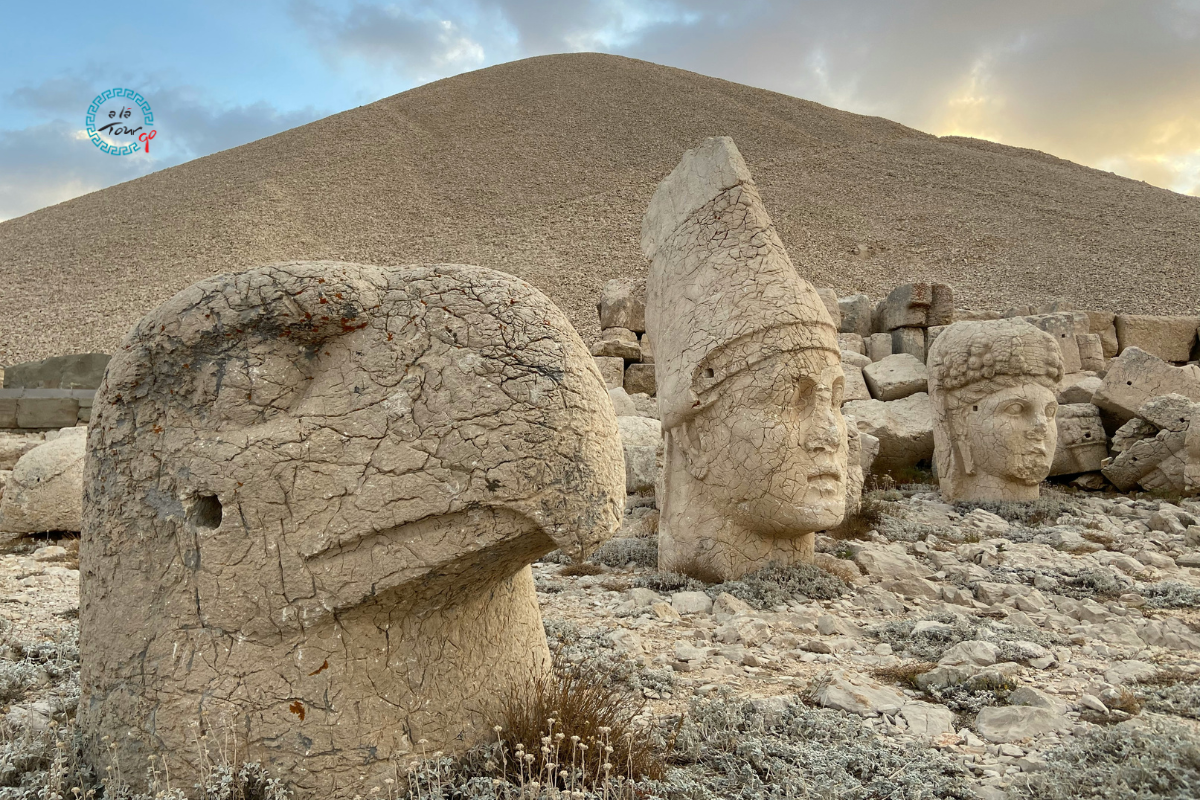
At the summit, standing at 2,150 metres, we are introduced by our guide to the colossal statues flanking the east and west terraces of King Antiochus' tomb — Zeus-Oromasdes, Apollo-Mithras, Heracles-Artagnes and Commagene-Fortuna. After taking in this extraordinary UNESCO World Heritage Site, we cross the Nissibis Bridge — a roughly 300-metre-long structure built with rubble and cut stone in 1985, situated on an ancient trade route — and watch the sunset from our vehicle as we make our way to our hotel in Diyarbakır.
Highlights: Transfer to Airport
After an open-buffet breakfast at our hotel, we transfer to the airport. We bid you a warm farewell, hoping to welcome you again on another tour.
8 DAYS / 7 NIGHTS ACCOMMODATION IN QUALITY HOTELS
This tour starts in Diyarbakır Airport and ends in Diyarbakır Airport.
Meeting time and the other welcoming details will be sent later...
No other important information for this tour.
Early bird discounts and new tour alerts — straight to your inbox.
 EN
EN
 TR
TR
 DE
DE
