EN
EN
 TR
TR
 DE
DE

What to Show Your Children in Turkey for the First Time: A Guide for Diaspora Families
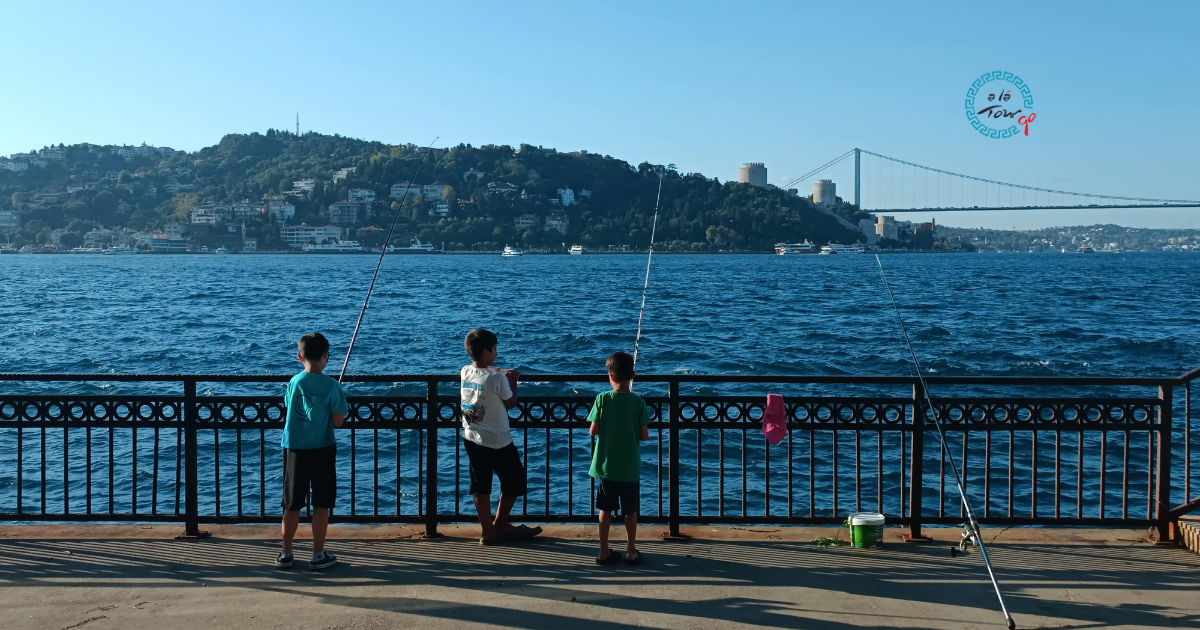
"I want to take my children to Turkey, but I don't know what to show them" — this is the question most diaspora parents in Germany, the Netherlands, Belgium and across Europe quietly wrestle with. The child didn't grow up there. Their Turkish may be partial. There are relatives to visit, yes — but visiting relatives and actually showing Turkey are two different things.
This guide addresses that gap: a practical and emotional roadmap, organised by the age of your child and what you want the trip to mean.
First, Ask Yourself: What Do You Want This Trip to Be?
Before choosing destinations, answer one question honestly: what do you want your child to take away from this trip?
- Just a great holiday?
- A connection to their roots?
- Exposure to the language in a natural setting?
- Time with family they rarely see?
- An understanding of Turkish history and culture?
Your answer directly shapes which places you choose, how long you spend and how you frame the experience. The sections below are organised around each of these goals.
By Age: What Actually Works
Ages 4–7 — Senses and Stories
Children this age don't connect to history or culture through logic. They see, smell, touch and feel. Explanation is almost irrelevant at this stage — experience is everything.
What works:
- Cappadocia fairy chimneys — there is no place in Turkey that produces the "what is this place?" response more reliably in a young child. It looks like another planet. A short horse ride or ATV tour makes it active rather than passive
- Bazaars — the Grand Bazaar or Egyptian Spice Bazaar in Istanbul; the colours, smells and sounds are overwhelming in the best possible way for this age
- Street food — simit from a cart, midye dolma by the water, gözleme on a saç griddle. Eating while walking is itself a form of cultural transmission
- Hammam — child-friendly hammams exist; the foam bath is almost universally enjoyed and becomes a story the child tells for weeks
- Beach and sea — a calm, shallow Aegean or Mediterranean cove; at this age the sea will be remembered more vividly than any museum
Avoid: Long museum visits, dense historical narratives, outdoor sites during midday heat
Ages 8–12 — Story and Curiosity
This age group actively asks why and how. History becomes genuinely exciting when told well. The right places at this age leave lasting impressions.
What works:
- Cappadocia underground cities — Derinkuyu goes 85 metres deep, was used by 20,000 people hiding for months at a time. For a child this age, it is a genuine adventure; the "discovery" feeling is very strong. Explore our Cappadocia Tour → which includes the underground cities alongside valley walks and balloon flights
- Göbeklitepe — "This temple was built 12,000 years ago — before writing, before the wheel, before Egypt's pyramids." That sentence stops a child this age. It is the best place in Turkey for making the scale of history concrete
- Ephesus — a Roman city of 250,000 people, marble streets intact; the scale works well at this age. "250,000 people lived here" activates imagination in a way a museum never can
- Troy — read or tell the story beforehand; then visit the site. The wooden horse replica at the entrance is the entry point for children who already know the story — and a hook for those who don't
- Nature activities — rafting on the Köprülü Canyon (operators accept children from age 8), horse riding or ATV in Cappadocia
Tip: Watch an age-appropriate documentary or read a book about Turkey before you go. Context transforms what children see — without it, ancient sites can feel like empty fields.
Ages 13–17 — Identity and Depth
For teenagers, a Turkey trip carries different weight. The question of "who am I?" intensifies at this age — and Turkey is the most powerful tool for making that question concrete.
What works:
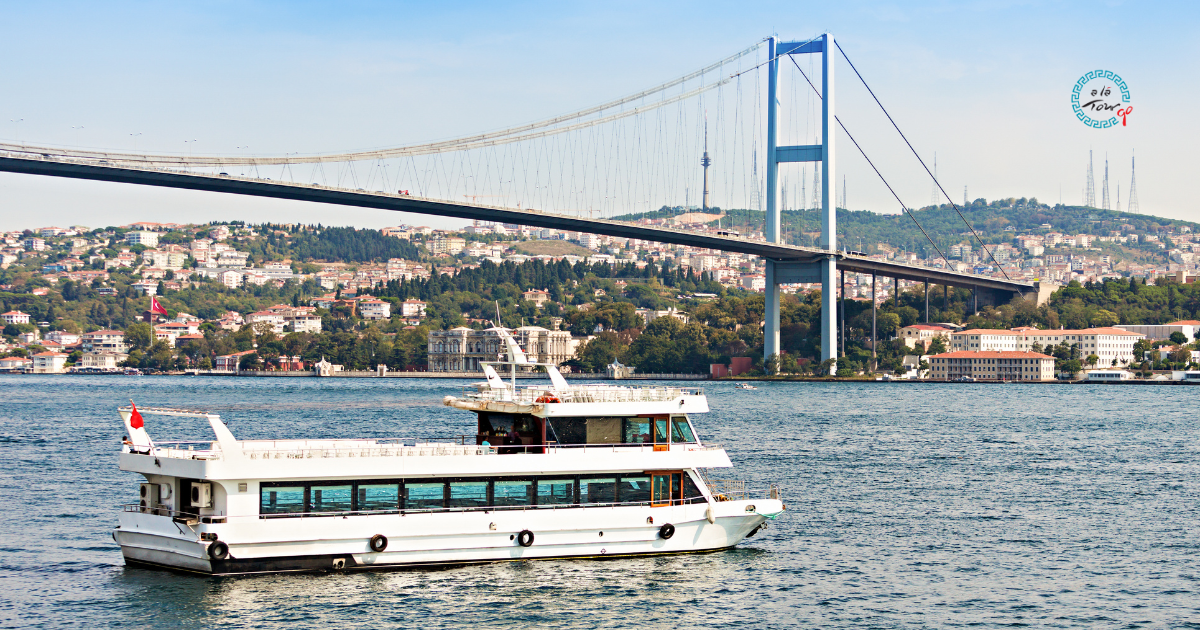
- Istanbul — the city itself is the lesson. A ferry on the Bosphorus, the covered bazaar, the city waking to the call to prayer. No other place communicates "this civilisation was the centre of the world" as immediately
- Mardin or the Southeast — a teenager who sees the ethnic and cultural complexity of Turkey — Syriac churches, Kurdish music, Arab bazaar — looks differently at both Turkey and their own identity. These layers exist nowhere else
- Ani ruins — why is a city of 100,000 people completely empty? The question that Ani raises is exactly the kind of deep, uncomfortable historical question that engages teenagers
- A family visit — a grandmother's kitchen, a conversation with an elderly relative, the smell of that specific house — these form identity more than any famous monument. Sitting at a table together is irreplaceable
- Food as culture — breakfast in Van, hamsi tava on the Black Sea, baklava in Gaziantep. Food is the most accessible entry point for teenagers who are otherwise resistant to "cultural tourism"
Important: At this age, being told what to feel about Turkey produces resistance. Discovering it together — letting the teenager ask their own questions and reach their own conclusions — works far better.
Which City to Start With
If this is your child's first Turkey visit and you can only choose one destination:
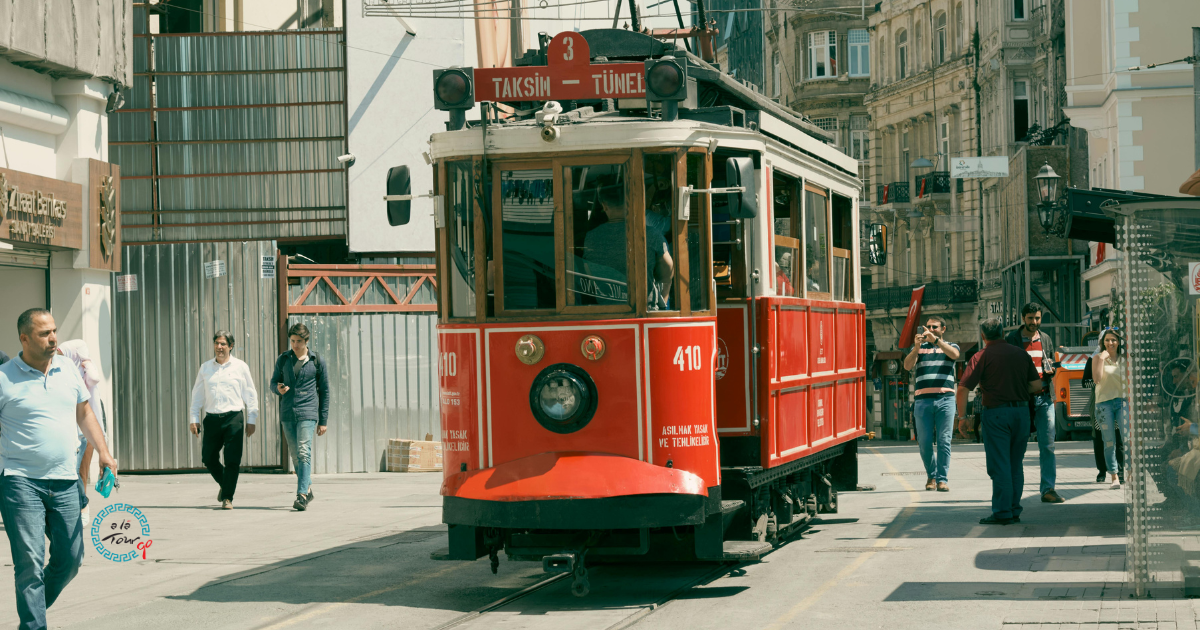
Istanbul — works for every age; it is simultaneously a summary of Turkey and an overwhelming experience in its own right. Symbolic weight is high: "This city was the capital of three empires for 2,000 years."
Cappadocia — works better than Istanbul for younger children; visual stimulation is high, activities are varied, the heat is more manageable than the coast.
Aegean or Mediterranean coast — if you want the trip weighted toward holiday rather than culture; beach plus one or two historical sites prevents exhaustion.
Small Things That Leave Big Impressions
Large famous places matter less than small specific moments. Try these:
- Let your child buy something in a market — a small souvenir they choose themselves. The act of deciding creates ownership and memory
- Let them try to speak Turkish — teach them five phrases before you go: "merhaba", "teşekkür ederim", "ne kadar?", "lütfen", "çok güzel". One successful exchange with a shopkeeper is worth a week of language lessons
- Wake up for the morning call to prayer together — explain what it is in advance; framed as "this is part of this culture" rather than as exotic or strange, it lands very differently
- Give them the camera — let the child document their own Turkey. The photographs they take will tell you what they actually noticed, which is often not what you expected
Common Question: My Child Doesn't Speak Turkish. Will That Be a Problem?
No — it will be an opportunity.
Hearing a language spoken around them that they can't yet understand — especially if relatives are speaking it — is one of the most powerful motivators a child can have. "I want to understand what they're saying" produces genuine language motivation, which no classroom can replicate.
Keep expectations realistic: the goal of this trip is not fluency. It is connection. Language follows connection.
Planning a family trip to Turkey this summer?
Our guided small-group tours are suitable for families with children — itineraries can be adjusted for age and interest.
Reach us via the WhatsApp button on the right side of our website — we respond within 24 hours.
Ready to Experience Türkiye?
Let our expert guides take you on an unforgettable journey across Türkiye's most stunning destinations.
Explore Our Tours