EN
 TR
 DE

What to Buy in Turkey: The Best Souvenirs That Are Actually Worth Taking Home

Turkey is one of the world's great shopping destinations — not because of its malls, but because of its craft traditions. Centuries of Ottoman craftsmanship have produced genuine artisanal skills in ceramics, textiles, jewellery, leather and metalwork that survive, albeit in diminished form, into the present. The challenge for visitors is separating the genuinely good from the mass-produced tourist junk that has proliferated in every bazaar and souvenir shop. Here is an honest guide to what is worth buying.
Turkish Ceramics and Tiles
İznik tilework — named after the northwestern city where the tradition originated — is one of Turkey's great artistic contributions to the world. The originals are in museums. But the living tradition of hand-painted ceramics continues in Kütahya and in workshops throughout the country.
What to look for: hand-painted pieces, not transfer prints. Turn the piece over — hand-painted work will show slight variations and imperfections. The classic motifs are tulips, carnations and geometric patterns in cobalt blue, turquoise and red. Beware of cheap printed items sold as hand-painted. A genuine hand-painted plate takes hours to produce and cannot cost five euros.
Turkish Textiles
Turkey has a long textile tradition, and the contemporary output includes some excellent products. Hammam towels (peştemal) — flat-woven, lightweight and extremely absorbent — have become internationally popular and for good reason. They are functional, beautiful, available in a wide range of colours and patterns, and easy to pack. Look for 100% cotton or linen versions.
Table linens, embroidered cloth and hand-loomed throws are also worth attention. The bazaars of Gaziantep and the textile markets of Istanbul carry the best selections.
Spices and Food
The Spice Bazaar in Istanbul and the spice markets of every Turkish city offer a range of items genuinely worth taking home. Saffron — Turkey is a significant saffron producer and quality is generally high. Sumac, isot pepper (a smoky dried chilli from Urfa) and pul biber (red pepper flakes) are distinctive and hard to source outside Turkey. Turkish tea — the good quality loose-leaf black tea — makes an excellent gift. Antep pistachios from Gaziantep, sold roasted in various preparations, are in a completely different category from anything available in European supermarkets.
Copper and Brassware
The coppersmith tradition — bakırcılık — is alive in the covered bazaars of Gaziantep, Mardin and Istanbul. Hand-hammered copper pots, trays, coffee pots (cezve) and serving dishes are both functional and beautiful. Look for pieces with visible hammer marks — these are hand-worked rather than cast or pressed. Quality cezve (Turkish coffee pots) in copper make an excellent and practical gift.
Evil Eye Glass (Nazar Boncuğu)
The blue glass eye amulet is ubiquitous in Turkey and has been adopted globally, which means quality varies enormously. The best pieces come from glass workshops in Cappadocia, particularly around Avanos, and from specialist glass workshops in Istanbul's Grand Bazaar. Look for genuine blown glass — it has slight asymmetry and depth of colour that pressed glass does not replicate.
What to Skip
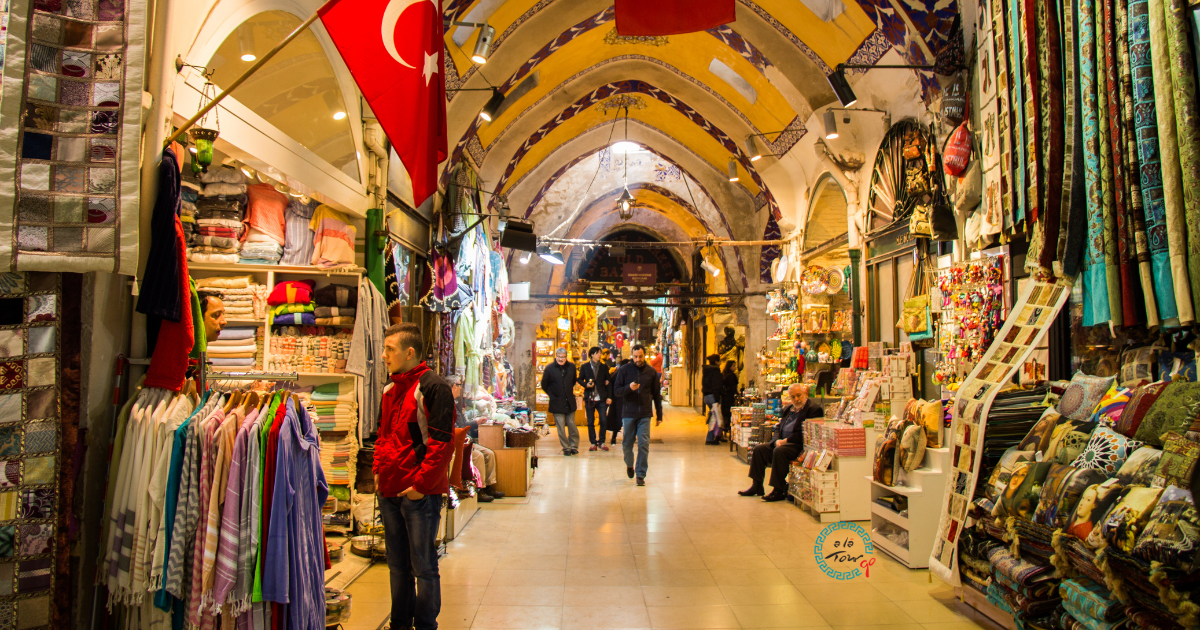
Factory-produced "hand-painted" ceramics (visually identical, no variation between pieces). Generic T-shirts and keyrings. Mass-produced carpets sold as "handmade." Most of the items in the first row of shops immediately inside the Grand Bazaar entrances — these are specifically positioned for people who buy quickly without browsing.
Browse Turkey with our guided tours and discover the best places to shop authentically at alatourqo.com/tours.
Ready to Experience Türkiye?
Let our expert guides take you on an unforgettable journey across Türkiye's most stunning destinations.
Explore Our Tours