EN
 TR
 DE

Regional Turkish Cuisine: How Food Changes Across Turkey's 7 Regions

1. Marmara and Istanbul — The Synthesis
Istanbul is the meeting point of every regional tradition in Turkey. The city has absorbed culinary influences from across the Ottoman Empire — Greek, Armenian, Jewish, Arab and Balkan cuisines have all left traces. The result is a food culture that is sophisticated, varied and cosmopolitan.
Fish is central to Istanbul's identity. Mackerel, sea bass, anchovy and many other species are eaten grilled, fried, stuffed or in soups. The meyhane tradition — long evenings in restaurants with rakı, cold meze and slowly arriving hot dishes — is at its most developed in Istanbul. Pastries and sweets of extraordinary variety are also characteristic of the city.
2. The Aegean Coast — Olive Oil and Wild Herbs
The Aegean region has the most Mediterranean character of any part of Turkey. Olive oil is the dominant cooking fat — used not sparingly as a condiment but liberally as the base of almost every dish. Cold olive oil dishes (zeytinyağlı) are a defining feature: artichokes, green beans, stuffed vegetables, all cooked gently in olive oil and served at room temperature.
Wild herbs grow abundantly on the Aegean hillsides and appear frequently in local cooking — purslane, wild chicory, mallow and many others that have no common English names. Seafood is exceptional. The local olive varieties are distinct and worth seeking out.
3. The Mediterranean Coast — Citrus, Spice and Ancient Flavours
The Mediterranean coast shares the Aegean's love of olive oil and seafood but adds a stronger spice influence and more pronounced use of citrus. Pomegranate molasses appears in dressings and marinades. The Taurus Mountains behind the coast supply distinctive mountain herbs. Antalya's cuisine has its own local dishes — hibeş (tahini with garlic and red pepper), şiş köfte grilled over vine wood — that are not found elsewhere.
4. Central Anatolia and Cappadocia — Hearty, Grain-Based Cooking
The high plateau of Central Anatolia produces a robust, filling cuisine based on grain, lamb and dairy. Mantı — tiny Turkish dumplings filled with minced lamb, served with yoghurt and paprika butter — originated here and remains the region's most iconic dish. Tarhana soup, made from fermented grain and vegetable paste dried in the sun, is a staple of village cooking. Pastırma (cured beef) has its most celebrated production in Kayseri.
5. The Black Sea Region — Corn, Anchovy and Green Intensity
The Black Sea highlands are wet, forested and entirely different in culinary character from anywhere else in Turkey. Corn is the staple grain — mısır ekmeği (corn bread) accompanies almost every meal. Anchovy (hamsi) is practically the regional symbol: it is eaten fried, baked, in soup, in pilav and even in desserts. Karalahana — a dark, intensely flavoured local kale — appears in soups and stews. Dairy is exceptional: the region produces distinctive aged cheeses and butter.
6. Southeastern Anatolia — The Spice Route
The southeast is where Turkish food meets the cooking traditions of the Arab world, and the results are extraordinary. Gaziantep is considered Turkey's culinary capital — home of the finest baklava in the country, made with local Antep pistachios that are thicker, sweeter and more aromatic than any other variety. Kebab culture here is distinct: Adana kebab (long, spiced minced meat on flat skewers), katmer (thin flaky pastry with clotted cream and pistachios), and çiğ köfte (spiced raw wheat paste, now vegetarian in most versions).
Şanlıurfa adds its own traditions: çiğ köfte from the source, lahmacun made to a distinctly spicier recipe, and a culture of eating shared from communal trays.
7. Eastern Anatolia — Simple, Intense, Unforgettable
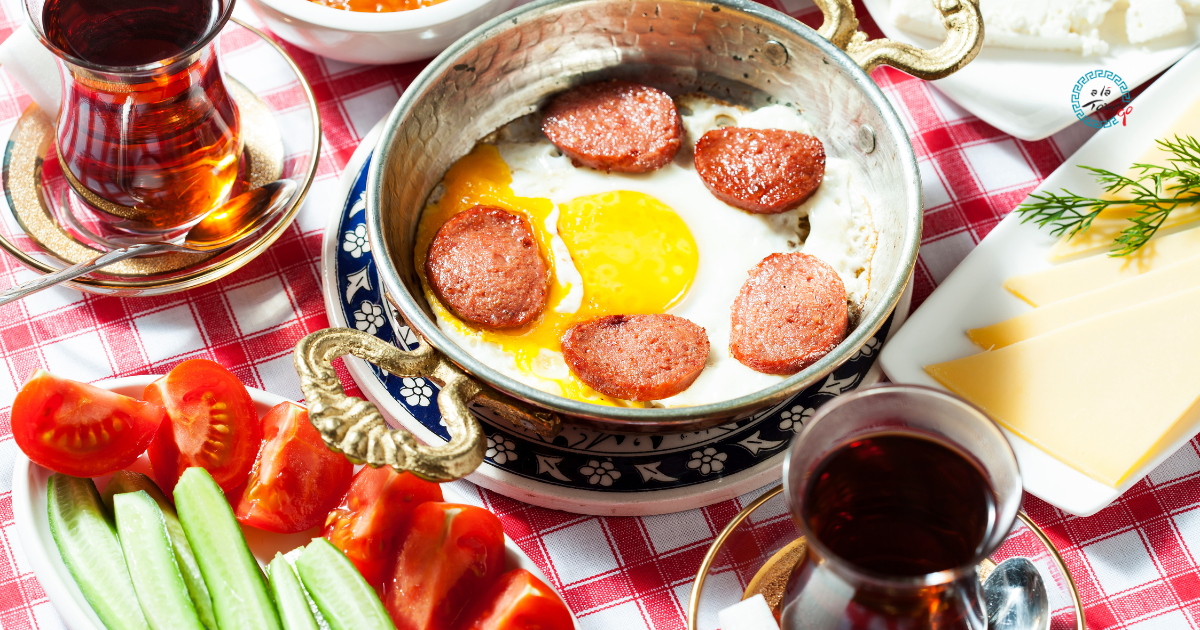
Eastern Anatolia's cuisine reflects the demands of a high-altitude, cold-climate region. Van's breakfast tradition, already mentioned in these pages, is the region's most famous culinary export. Beyond breakfast, the region is known for its aged cheeses, mountain honey, lamb preparations and distinctive herbs that grow only at altitude. Kars produces a fine gruyère-style cheese introduced by Russian settlers in the 19th century. The food is simpler than in other regions but made from ingredients of extraordinary quality.
Explore Turkey's culinary regions on one of our guided tours at alatourqo.com/tours.
Ready to Experience Türkiye?
Let our expert guides take you on an unforgettable journey across Türkiye's most stunning destinations.
Explore Our Tours