EN
 TR
 DE

Is Turkey Safe to Travel? An Honest Guide for 2026
The Short Answer
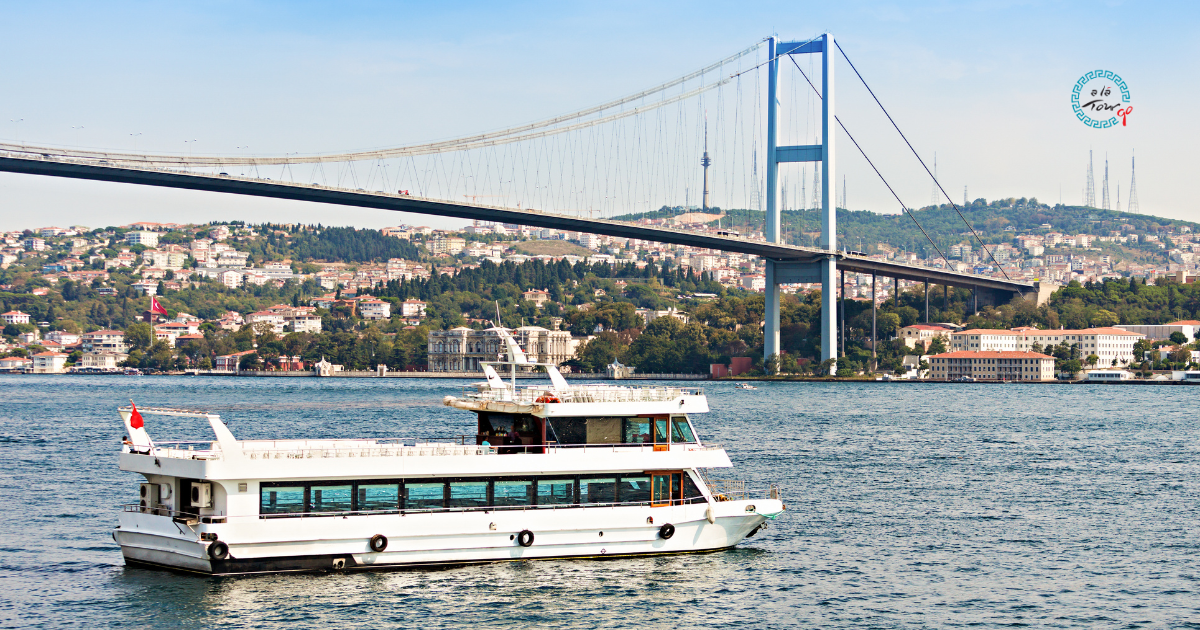
Yes — Turkey is safe to travel for the vast majority of tourists. Every year, over 50 million international visitors travel to Turkey without incident, making it one of the most visited countries in the world. The popular tourist regions are well-developed, well-policed, and genuinely welcoming to foreign visitors.
That said, "safe" is never a black-and-white answer for any country. This guide gives you the honest, nuanced picture — so you can make an informed decision and travel with real confidence.
🔴 What About the Iran Situation? (2026 Update)
Recent tensions between Iran and Israel have caused a surge in internet searches about Turkey's safety — particularly from travellers in Germany and across Europe. We want to address this directly.
Turkey is not a party to this conflict. Istanbul, Cappadocia, the Aegean Coast, Antalya, and all major tourist destinations are thousands of kilometres away from the Iran border region. Turkey has maintained an official position of neutrality and has not been drawn into the conflict.
The German Foreign Ministry (Auswärtiges Amt) does maintain a general travel advisory for Turkey, as it does for many countries — but there is no specific warning for tourist regions. The same applies to the UK FCDO and other European travel advisories.
If you are searching türkei reisewarnung or ist die türkei sicher 2026 — the honest answer is: Turkey's tourist areas are safe and operating normally. Millions of European tourists are booked to travel there this summer.
🟢 The Popular Tourist Regions Are Very Safe
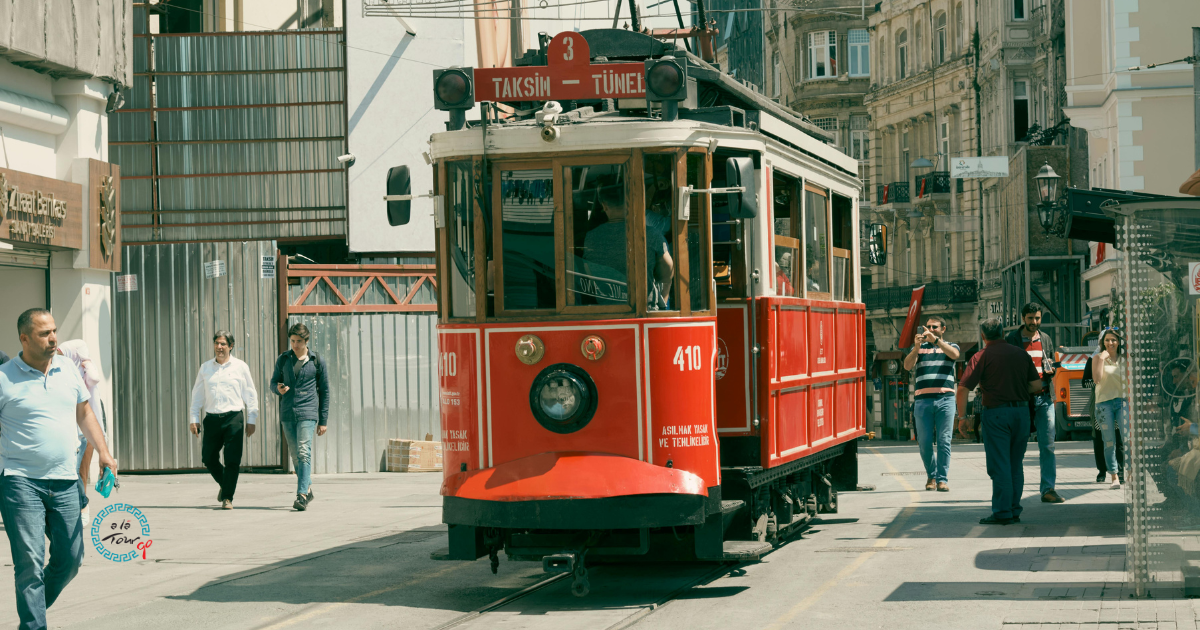
Istanbul, Cappadocia, the Aegean Coast, Antalya, and the Mediterranean are all extremely tourist-friendly. These areas have well-established infrastructure for visitors, English is widely spoken, and the local economy depends on tourism — which means locals genuinely want you to have a good experience.
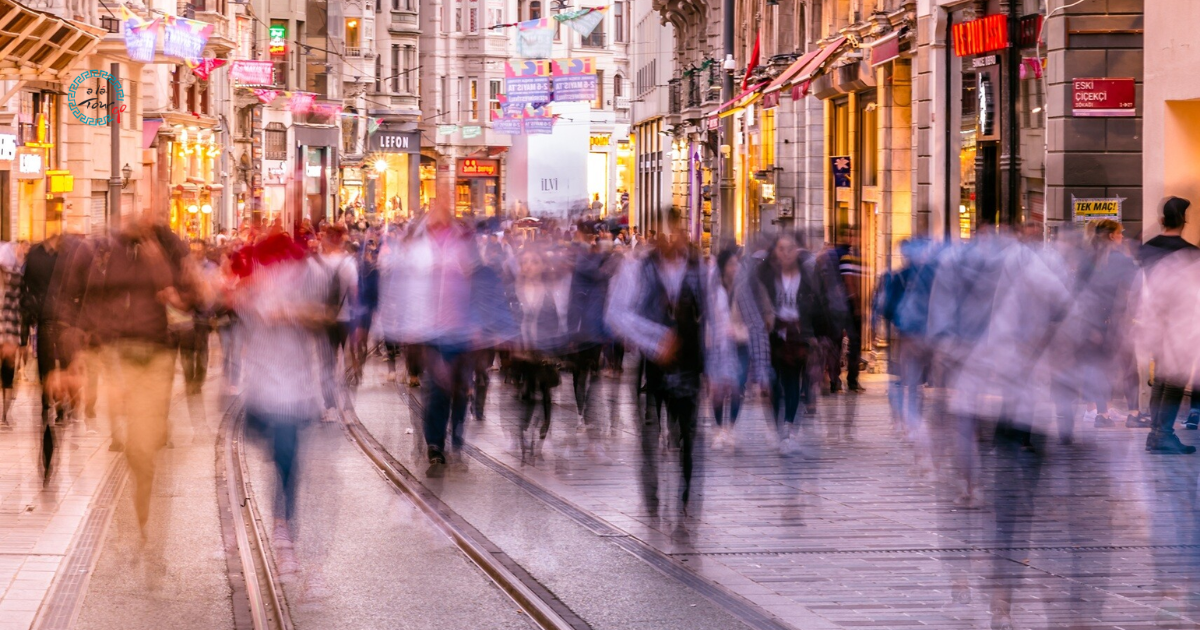
Petty crime (pickpocketing, bag snatching) exists in busy tourist areas just as it does in Paris, Rome, or Barcelona — but violent crime against tourists is rare. Standard city-travel awareness goes a long way: keep your bag in front of you in crowded areas, use hotel safes for passports and valuables, and be cautious at night in unfamiliar neighbourhoods.
🟡 Regions to Approach With More Research
Turkey borders Syria, Iraq, and Iran in the southeast. The areas immediately along these borders — particularly Şırnak, Hakkari, and parts of the Syrian border zone — are listed as "avoid" or "high risk" in most government travel advisories. These areas are not tourist destinations and are not part of any standard tour itinerary.
The popular Southeastern Anatolia destinations — Gaziantep, Şanlıurfa (Göbeklitepe), Mardin, and Diyarbakır — are a completely different story. These cities are safe, increasingly visited, and home to some of Turkey's most extraordinary history and culture.
🔵 Eastern Turkey: Underrated, Not Unsafe
Eastern Anatolia — Lake Van, Kars, Erzurum, Tunceli — often raises eyebrows among first-time visitors because it sounds remote. But remote does not mean dangerous. These regions are genuinely safe for tourists and offer some of the most spectacular, unspoiled scenery in the entire country.
The key is travelling with a reputable local guide or tour operator who knows the region well — which is exactly what our Lake Van, Ishak Pasha & Ani Ruins Tour and Tunceli & Munzur Valley Tour are designed to do.
🚨 Common Scams to Watch Out For
Turkey's biggest safety concern for tourists isn't crime — it's scams, particularly in Istanbul. The most common ones to know:
- The shoe shine drop: A man "accidentally" drops his brush near you, then insists on shining your shoes and charges an extortionate fee. Politely decline.
- Friendly locals with an agenda: Someone strikes up a conversation, becomes very friendly, and eventually leads you to a carpet shop or restaurant where you're pressured to spend a lot of money. Enjoy the conversation, but keep your wallet in mind.
- Taxi overcharging: Always make sure the meter is running, or agree on a price before you get in. Better yet, use the BiTaksi app.
- Fake tickets: Buy museum and attraction tickets only at official booths or through verified websites.
None of these are unique to Turkey, and awareness is your best defence.
👩 Is Turkey Safe for Solo Female Travellers?
Many women travel Turkey solo every year and have excellent experiences. The main tourist areas are generally comfortable and safe. That said, unwanted attention — catcalling or persistent approaches — can occur in some areas, particularly in less touristy parts of cities.
Practical tips: dress modestly outside beach resorts (it makes a genuine difference), avoid walking alone late at night in unfamiliar areas, and trust your instincts. Joining a guided group tour is also a great option for solo female travellers — you get the freedom of exploration with the reassurance of a group and a professional guide.
🏥 Health & Medical
Turkey has good private hospitals in major cities, and medical care is generally of a high standard. EU citizens should carry their EHIC card, though private hospitals may still require upfront payment. Travel insurance with medical coverage is strongly recommended for all visitors — not just to Turkey, but anywhere abroad.
Tap water in Turkey is technically treated but not recommended for drinking — stick to bottled water, which is cheap and available everywhere.
📋 Before You Travel: Practical Checklist
- Check your government's official travel advisory for Turkey (UK: FCDO, Germany: Auswärtiges Amt, EU: your national ministry)
- Take out comprehensive travel insurance before you depart
- Register your trip with your country's embassy if travelling to remote regions
- Share your itinerary with someone at home
- Save the local emergency number: 112 (works for police, ambulance, and fire in Turkey)
The Bottom Line
Turkey is a safe, welcoming, and deeply rewarding destination. The concerns circulating online in 2026 — particularly around regional tensions — do not affect the tourist areas that millions of Europeans visit every year. If you're sensible, informed, and travel with a reputable operator, you are very unlikely to encounter any serious problems.
The millions of people who visit Turkey every year aren't wrong — this country has something genuinely special to offer, and the experience is almost always better than expected.
Travel Turkey With Confidence
All AlaTourqo tours are led by TURSAB-certified professional guides with deep local knowledge. We handle transport, accommodation, and logistics — so you can focus entirely on the experience. Browse our full tour collection or design your own custom itinerary.
Ready to Experience Türkiye?
Let our expert guides take you on an unforgettable journey across Türkiye's most stunning destinations.
Explore Our Tours