EN
EN
 TR
TR
 DE
DE

How to Bargain in Turkish Bazaars Without Feeling Awkward

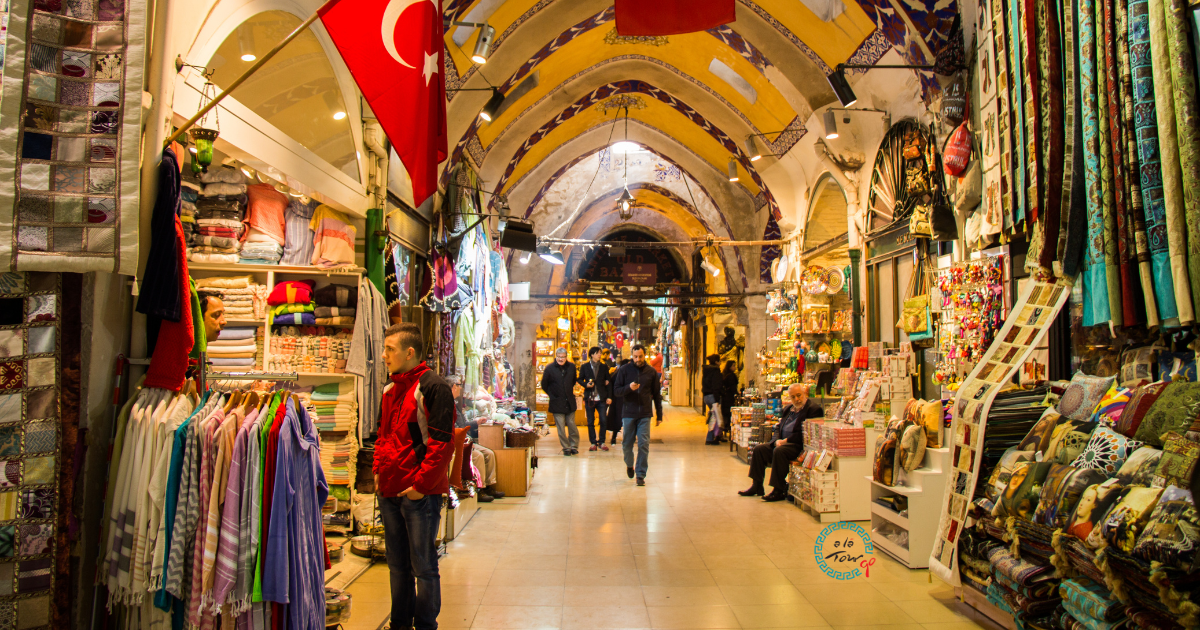
In most of the world, the price on the tag is the price you pay. In Turkish bazaars, the price quoted first is the beginning of a conversation. Bargaining — pazarlık — is not aggressive, not impolite and not optional in most traditional market settings. It is the normal and expected way to buy. Visitors who skip it either pay significantly over the going rate or miss the experience entirely. Here is how to do it without feeling awkward.
Understand What Bargaining Is
Bargaining in a Turkish bazaar is not a confrontation. It is a social exchange with its own rhythms and expectations, conducted between two people who both know the approximate real value of what is being discussed. The vendor expects you to counter. If you pay the first price without question, most vendors are quietly surprised.
The opening price is typically set with the expectation of negotiation. How much above the real selling price depends on the vendor and the category — in tourist-heavy areas of the Grand Bazaar, opening prices can be three to four times what the vendor will accept. In less touristy areas, the gap is smaller.
Before You Start
Do some research before entering a bazaar with serious buying intentions. If you are considering a carpet, visit several carpet shops before committing — you need to calibrate your sense of quality and price before the negotiation begins in earnest. The same applies to jewellery and any significant purchase.
Know roughly what you are willing to pay before you express interest in a specific item. Once you engage, the social dynamic makes it harder to disengage cleanly.
The Basic Structure
Express interest in an item. The vendor will quote a price. Do not react visibly — neither with enthusiasm nor horror. Ask to look at it more closely. Ask a question or two about the item. Then offer a counter price — typically around 50 to 60 percent of the opening offer, depending on how inflated you sense the opening to be.
The vendor will either laugh and come back with a lower price, or accept your counter directly (in which case you offered too high). You counter again. They counter again. The process converges somewhere in the middle.
Accepting Tea
At some point in any extended negotiation, tea will be offered. Accept it. It is a genuine gesture of hospitality and accepting it costs you nothing — neither money nor obligation. You are not required to buy anything because you drank tea. Refusing is slightly rude. Accept, drink, continue the conversation.
How to Walk Away
Walking away is your strongest negotiating tool and the one most visitors fail to use. If the price has not reached your target after several rounds, say thank you, say it is slightly more than you wanted to spend, and begin to leave. In the majority of cases, the vendor will call you back with a better offer.
If they do not call you back, the price was already close to their floor. You can return and accept the last offer — this is not embarrassing and is entirely normal.
If you have agreed a price, you are expected to buy. Walking away after reaching an agreement is considered impolite. Do not enter serious negotiation unless you genuinely intend to buy at a reasonable price.
Categories Where Bargaining Applies
Bazaar shops, market stalls, independent vendors in tourist areas — bargaining applies. Fixed-price shops (usually indicated by a sign), supermarkets, restaurants and formal retail stores — it does not apply. In the Grand Bazaar specifically, virtually all shops are negotiable.
Explore Istanbul's bazaars on our guided Istanbul tour at alatourqo.com/tours.
Ready to Experience Türkiye?
Let our expert guides take you on an unforgettable journey across Türkiye's most stunning destinations.
Explore Our Tours